Same academic route, same class experience.
Whether you are physically present on campus or joining remotely, you are part of the same cohort and academic delivery. DSTI’s hybrid model was designed around this principle from the beginning.
DSTI was built for connected classrooms. Live Streamed students follow scheduled classes in real time, take the same assessments, use the same LMS and remain part of the same academic rhythm.
The key point is simple: Live Streamed is a study mode. It does not create a smaller, separate or weaker version of DSTI.
Whether you are physically present on campus or joining remotely, you are part of the same cohort and academic delivery. DSTI’s hybrid model was designed around this principle from the beginning.
You follow the scheduled class with the professor, not a pre-recorded substitute.
You learn alongside on-campus and remote classmates, with shared discussions and projects.
Assignments, exams and academic requirements remain aligned with the programme.
Direction of Studies, faculty, recordings, LMS access and student follow-up are part of the model.
This mode is for distance, timing and life constraints — not for lowering the academic level.
You can start or continue a DSTI programme from your country while joining a real French higher-education classroom live.
You may be based far from Paris or Sophia-Antipolis and still want access to DSTI’s specialist programmes.
You follow a timetable, attend live classes and remain visible to professors and classmates.
The model is built around participation, not passive consumption.
You access the timetable, course space, preparation material and links through DSTI Learn.
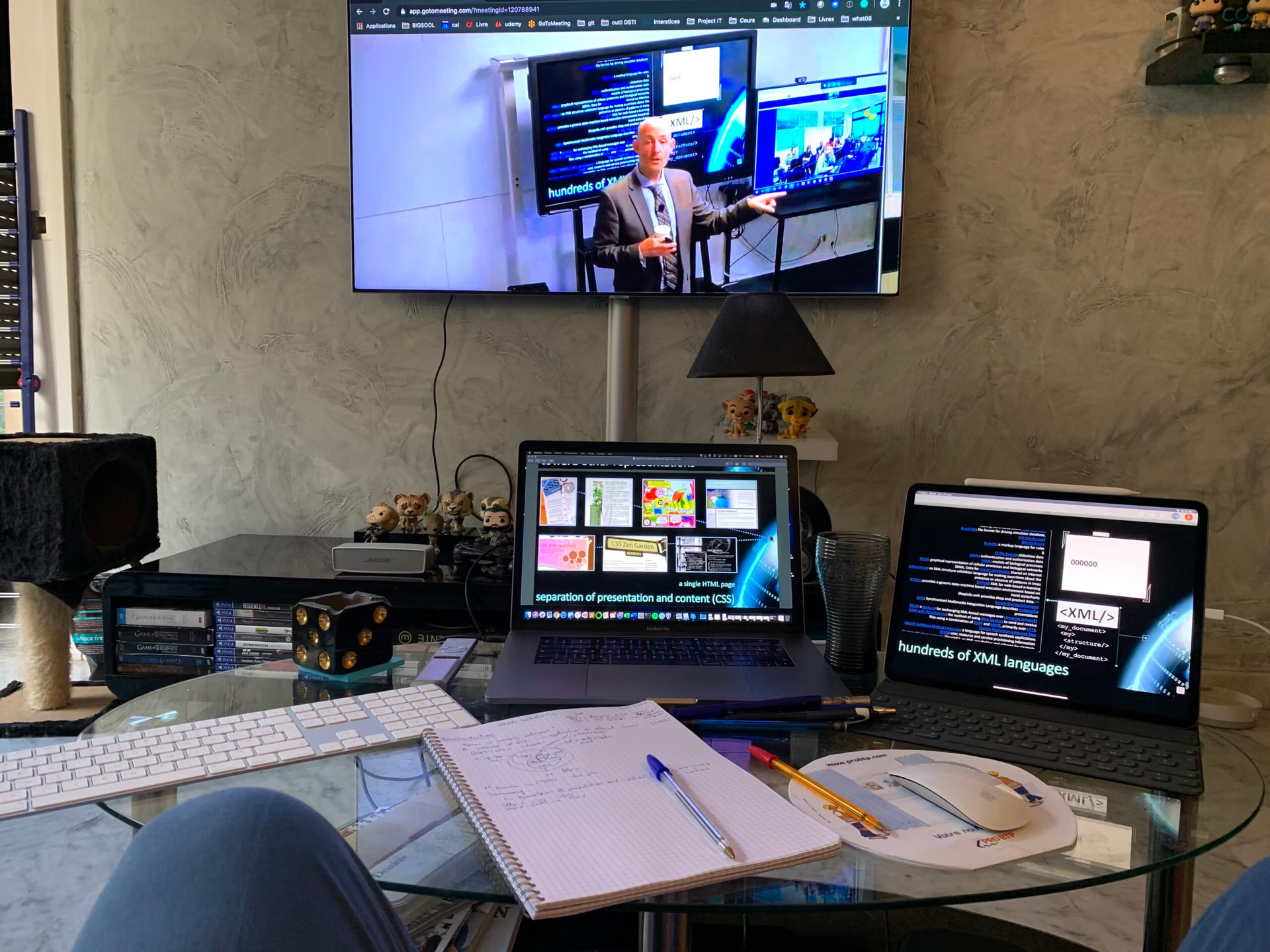
You join live, follow the board and classroom feeds, speak, ask questions and work with peers.
You use recordings, transcripts, shared materials and assignments to consolidate the session.
You remain accountable to the same rhythm, academic standards and professional expectations.
DSTI’s Live Streamed delivery relies on classroom equipment, digital resources and teaching habits built around real interaction.
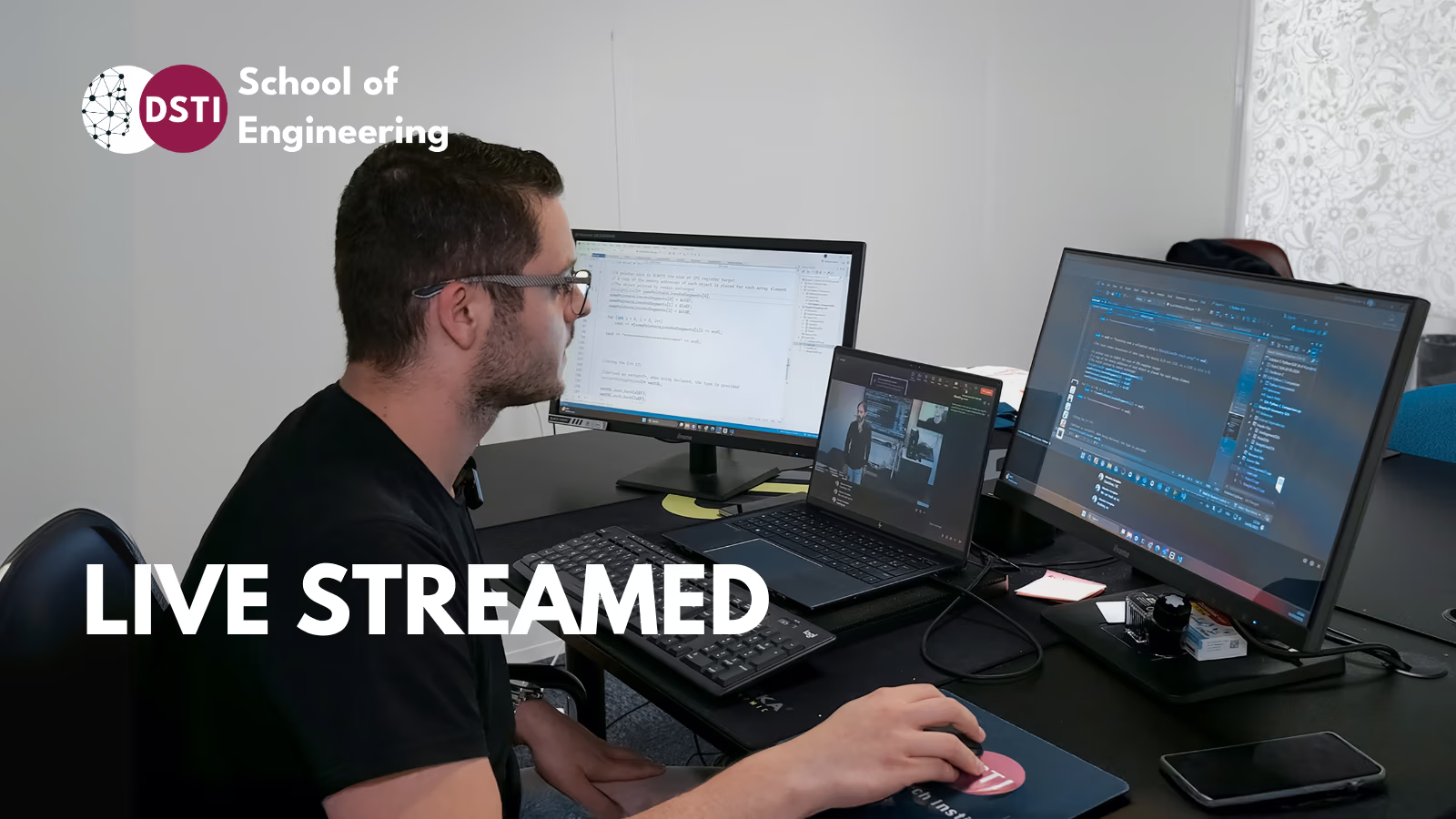
Camera feeds show the professor, the board and the classroom context.
Remote students hear classroom discussion, not only the lecturer.
Technical explanations, diagrams and workflows remain visible and reusable.
Sessions are recorded so students can review the class after attending live.
Course spaces, assessments, resources and recordings are centralised in the LMS.
For technical courses, interaction can include practical support on student environments.
The important distinction is not “which programme is live streamed?”. DSTI’s teaching model connects campuses and remote learners by design. The right question is: “which DSTI route matches my level and goals?”.
Foundations first: computing, mathematics, systems, data, AI and cyber security.
Explore the BachelorData Analytics, Data Engineering for AI, Data Science & AI and Cyber Security.
Choose your MSc routeAdvanced AI, data and digital capabilities for experienced professionals.
Explore professional educationProfessional experience remains central to DSTI’s model. The route is adapted to the student’s situation, location and programme requirements.
DSTI can support professional experience in France or abroad, subject to academic validation and programme rules. The work must remain relevant, supervised and connected to the learning outcomes.
For many Live Streamed students, the most natural option is a relevant internship in their local job market.
Structured alternative
Where relevant, DSTI may guide students towards a structured international internship option through CRCC Asia.
Visit CRCC AsiaStudents receive guidance on CVs, public profiles, applications and professional positioning, wherever they study from.
Live Streamed students need a reliable environment. The goal is simple: be present, hear clearly, be heard clearly and work properly during practical sessions.
Tell us where you are, which programme you are considering and how you plan to study. Admissions can help you understand the right route, expectations and practical constraints.