
The coast changes mood every few kilometres.
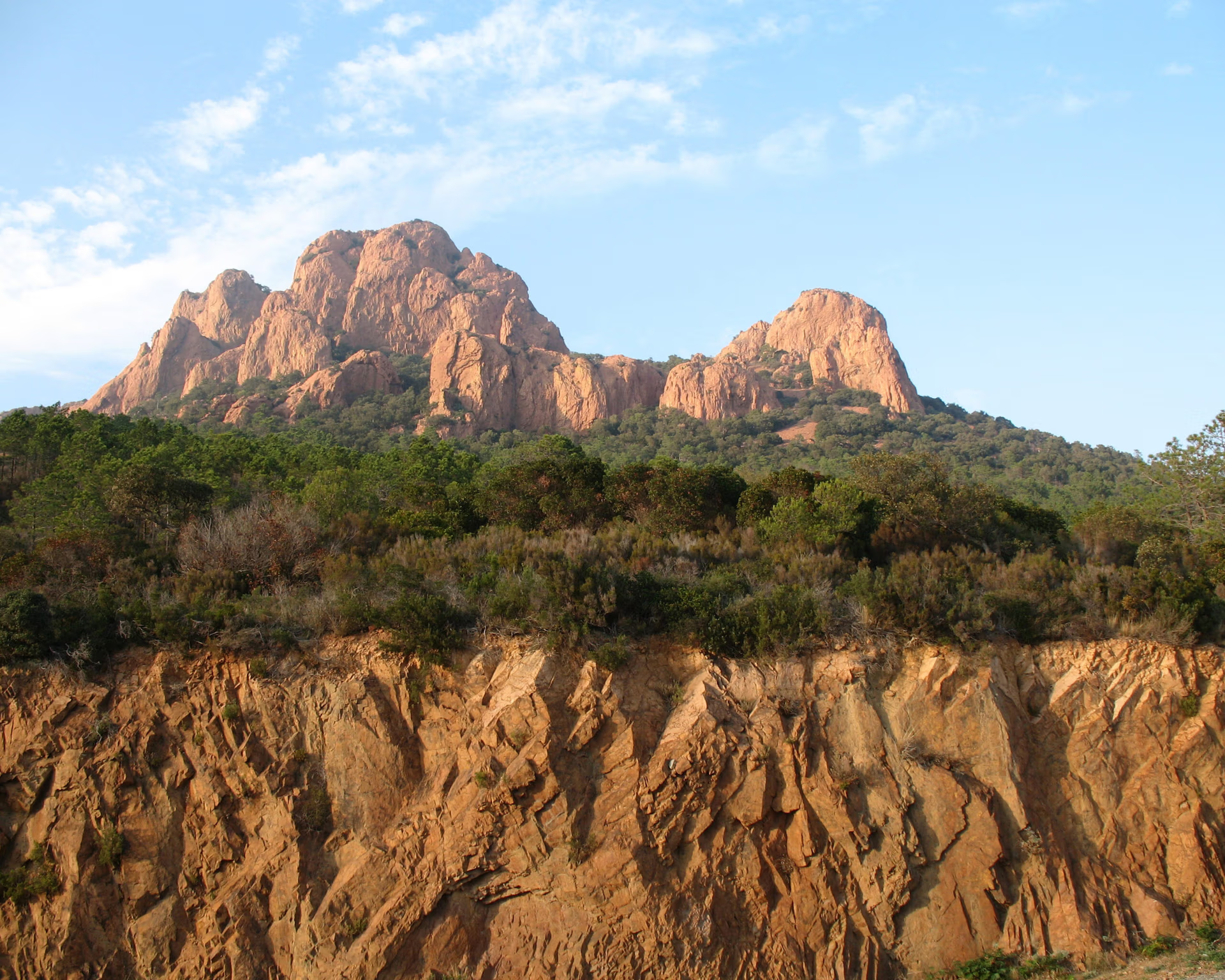
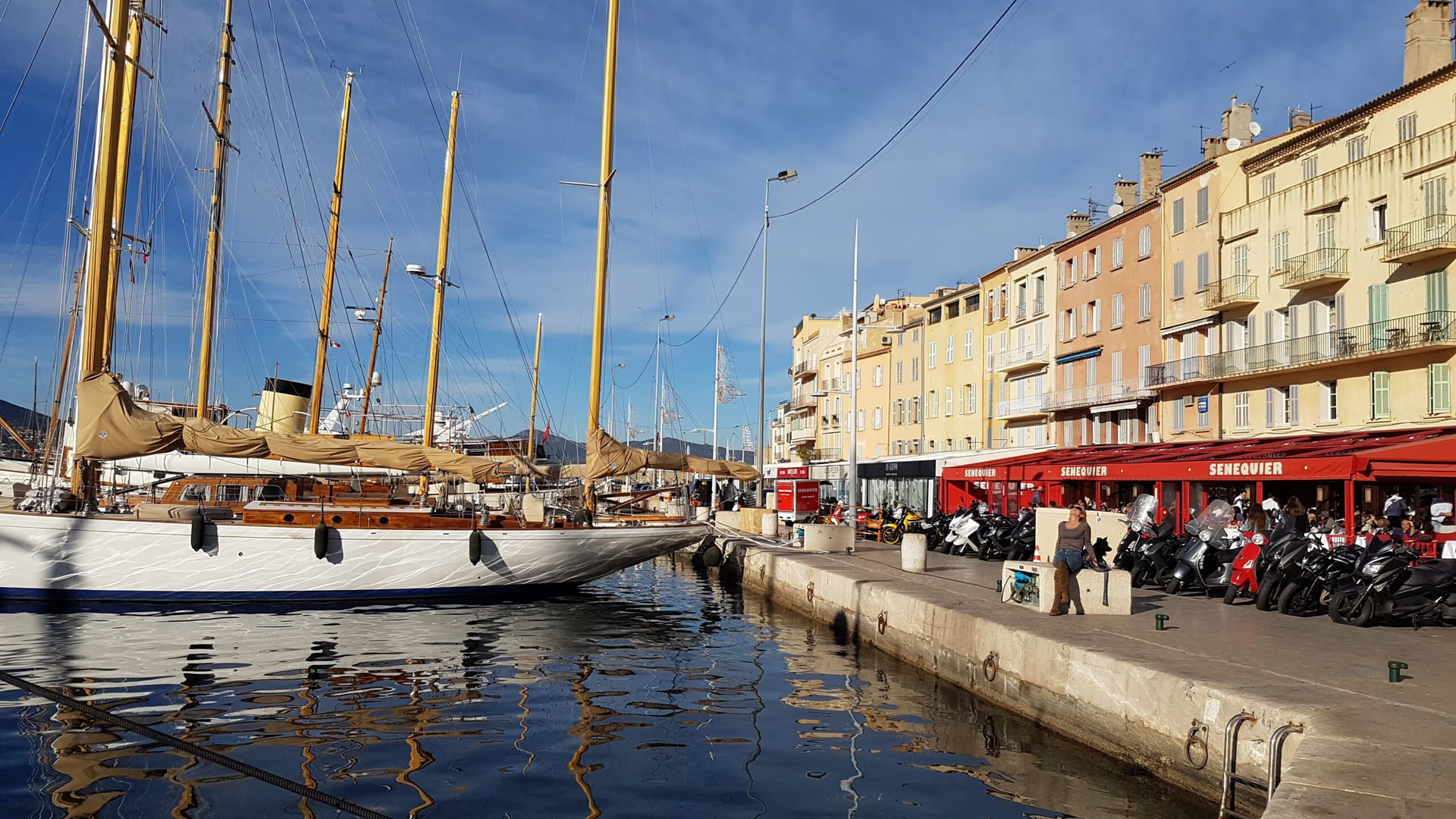
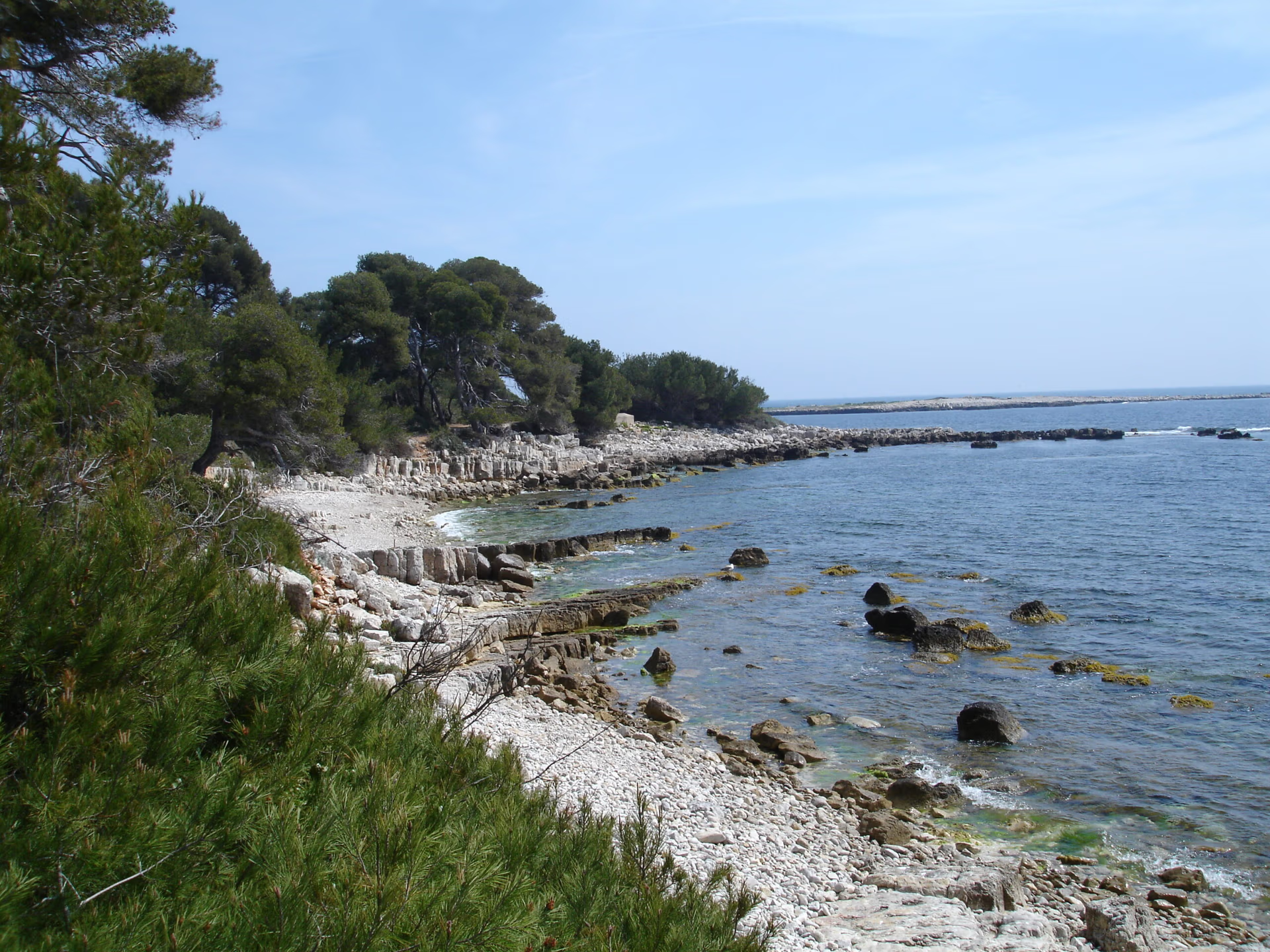
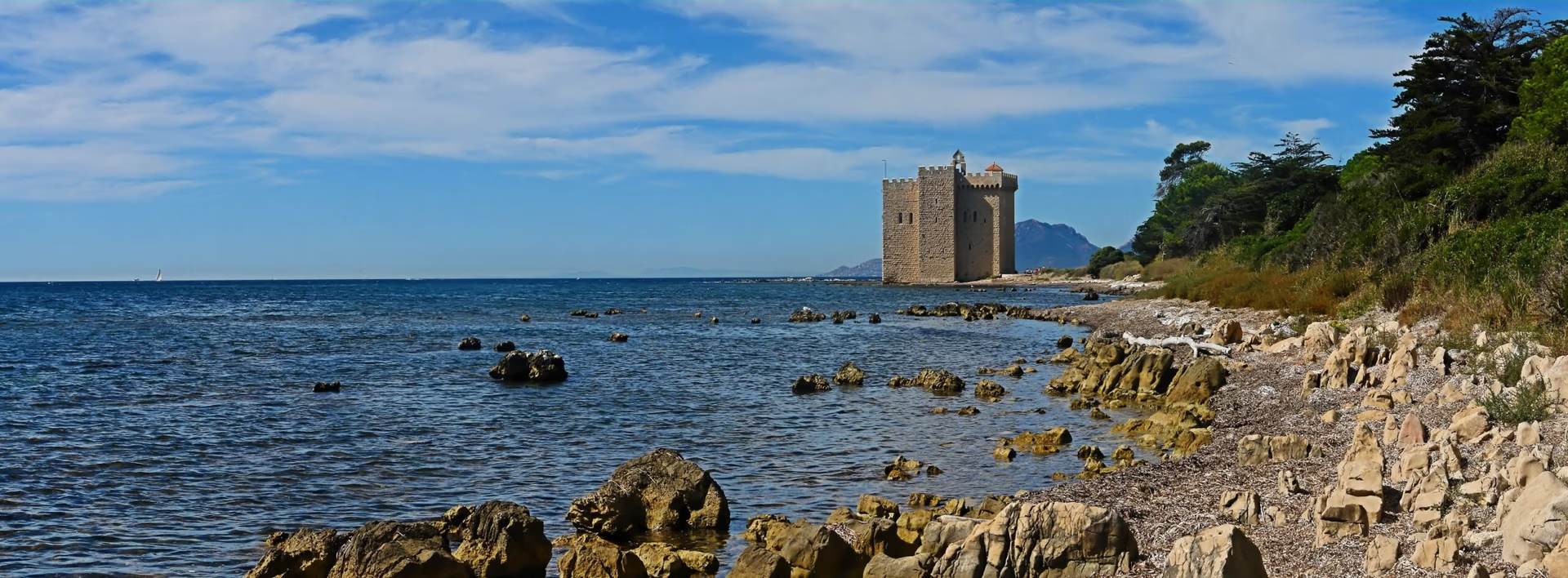
Menton feels close to Italy. Nice is open and urban. Antibes is old stone and sea walls. Cannes adds festivals and islands. Monaco brings international events and a different scale. Saint-Tropez is further west, but still part of the Riviera imagination.
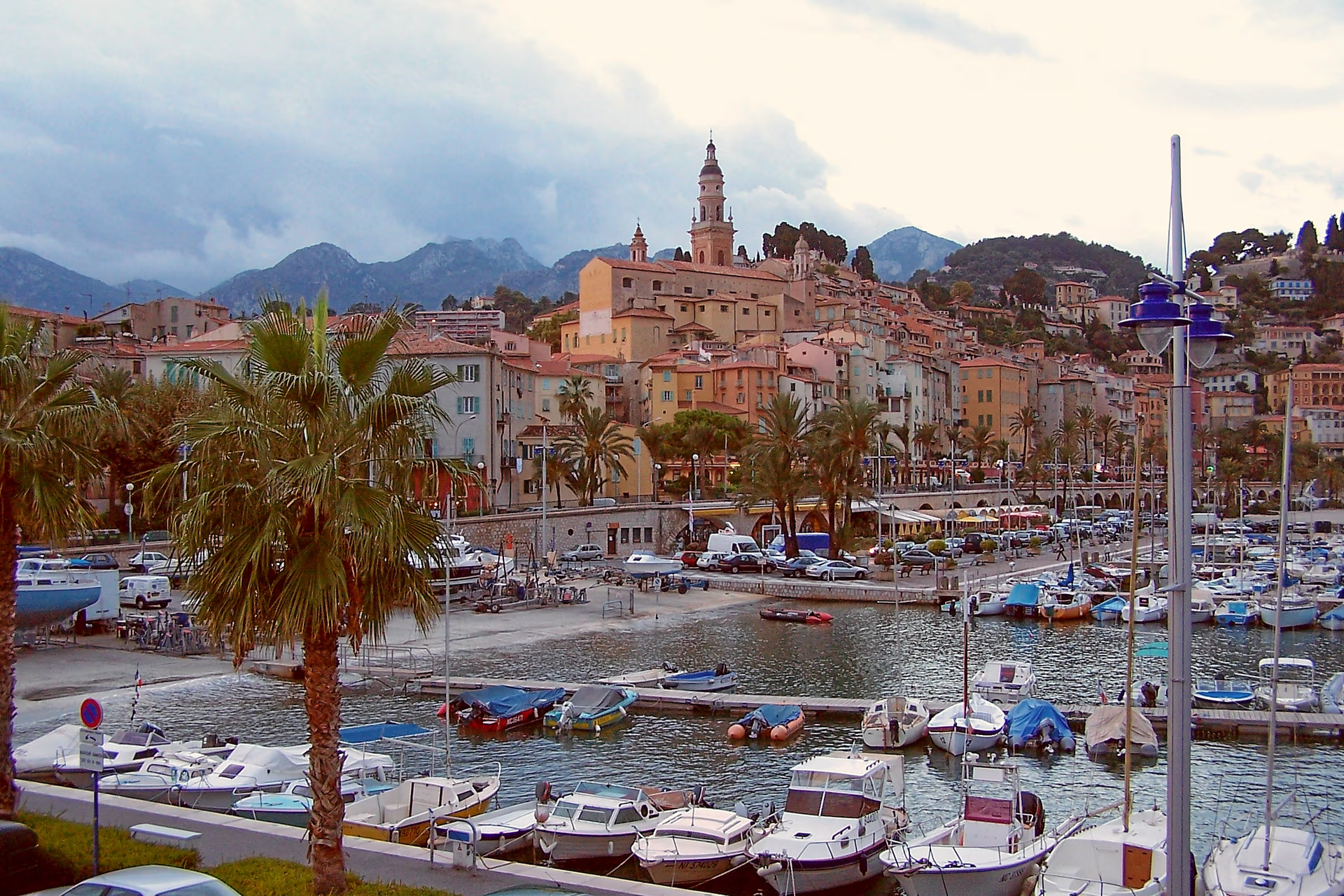
Colour, harbour and the Italian-border side of the Riviera.
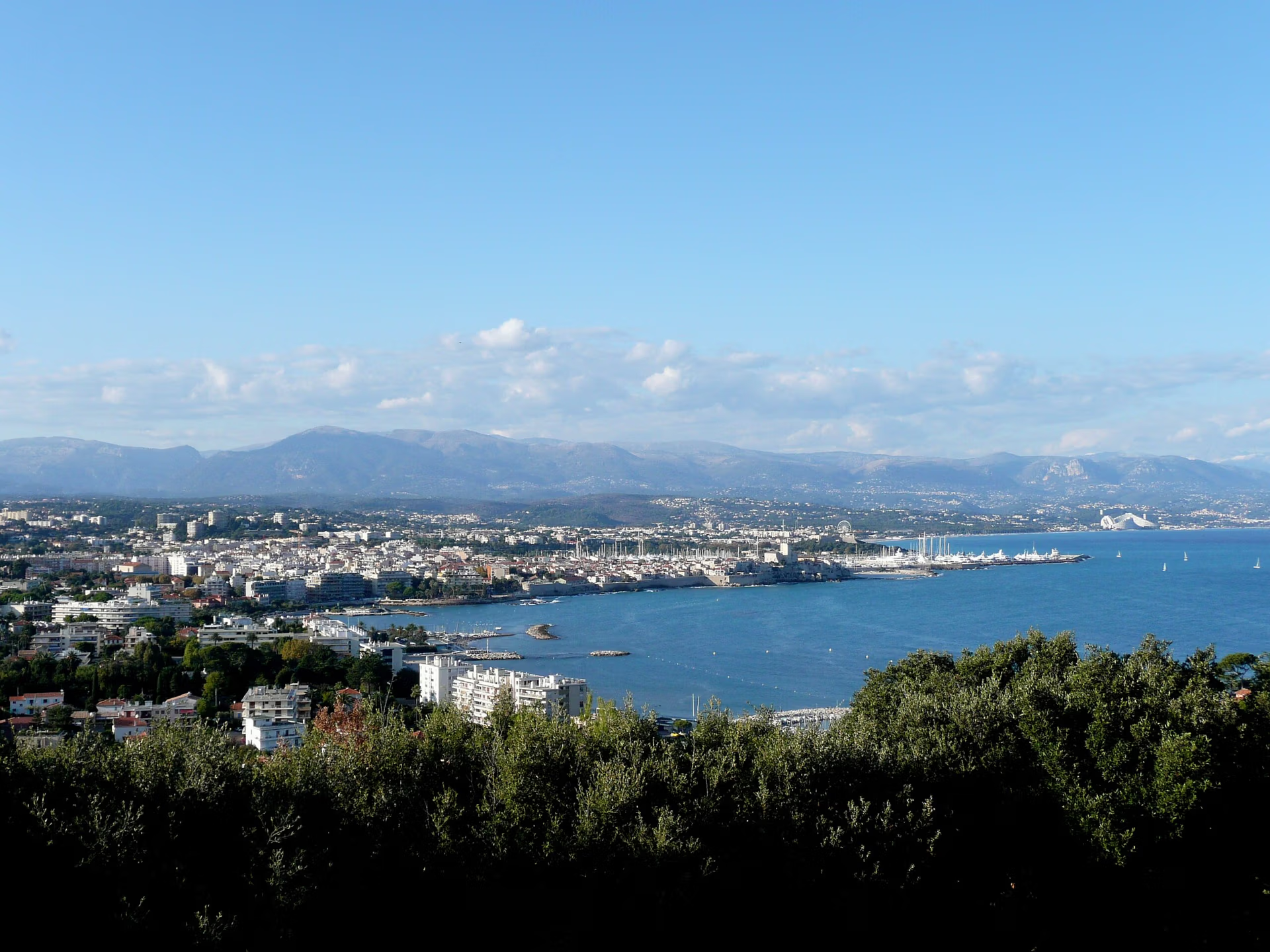
A coastal town where old stone meets open water.
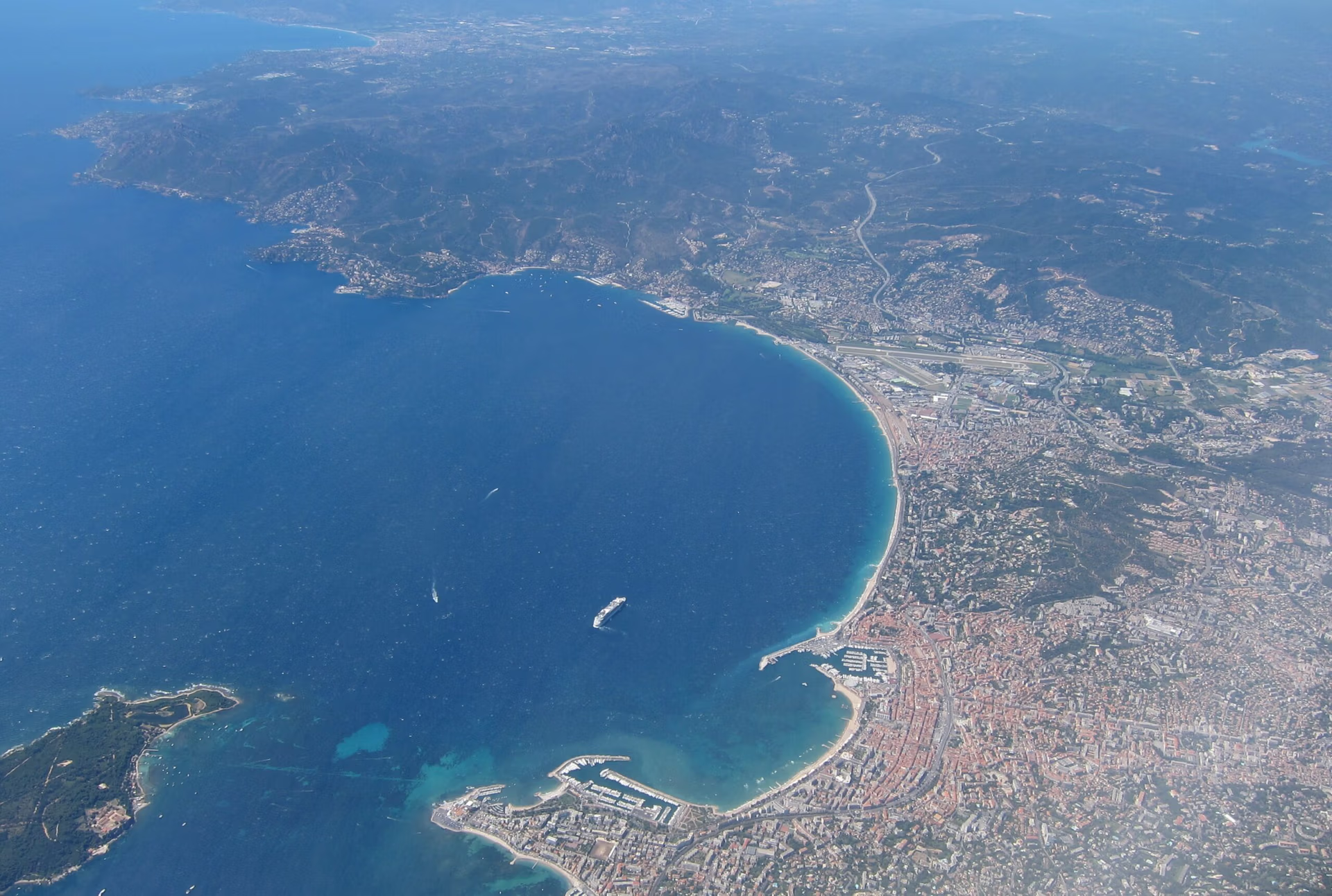
Beach city, islands and festival atmosphere in one view.
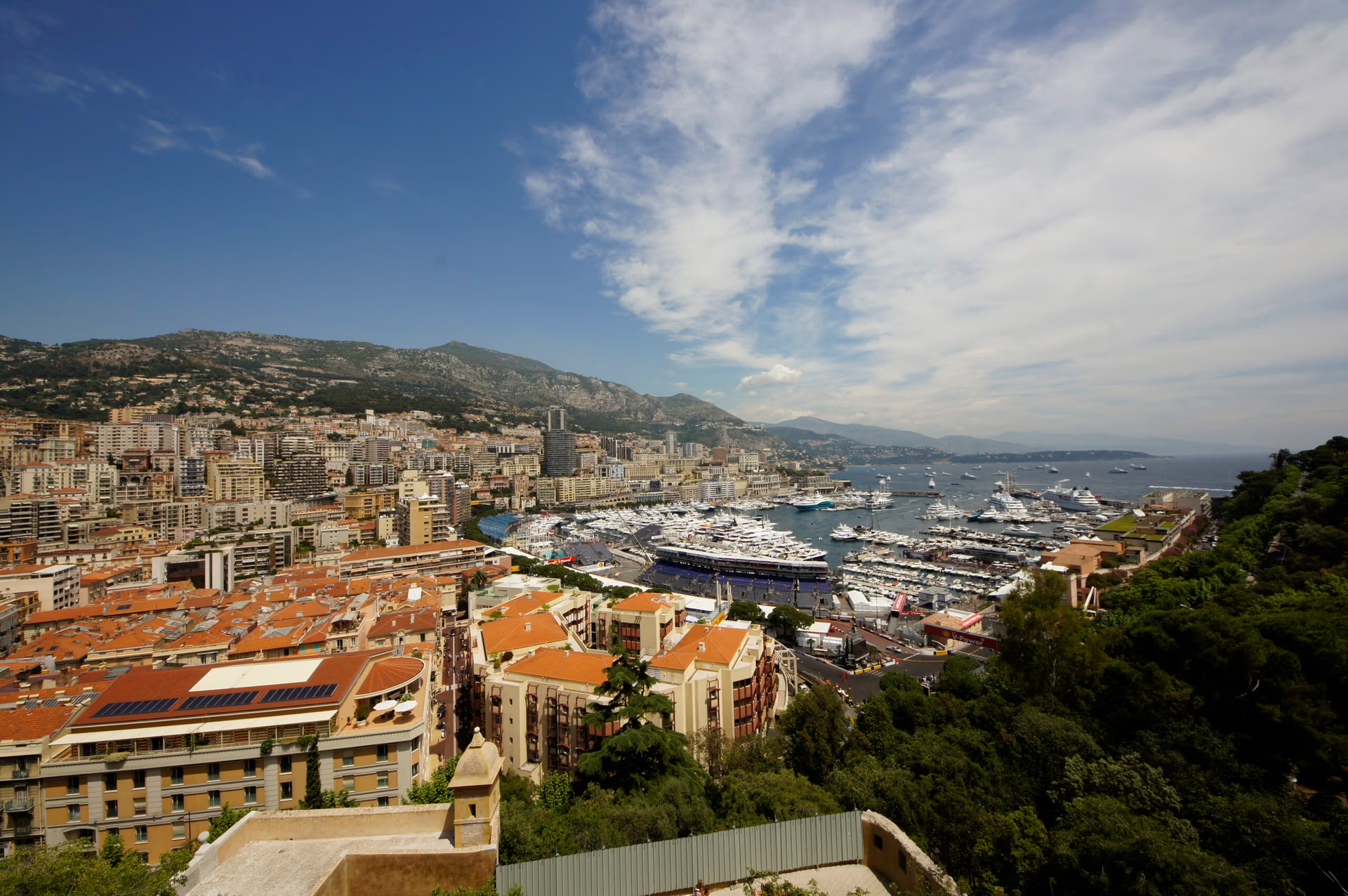
A city-state skyline folded into the Riviera story.
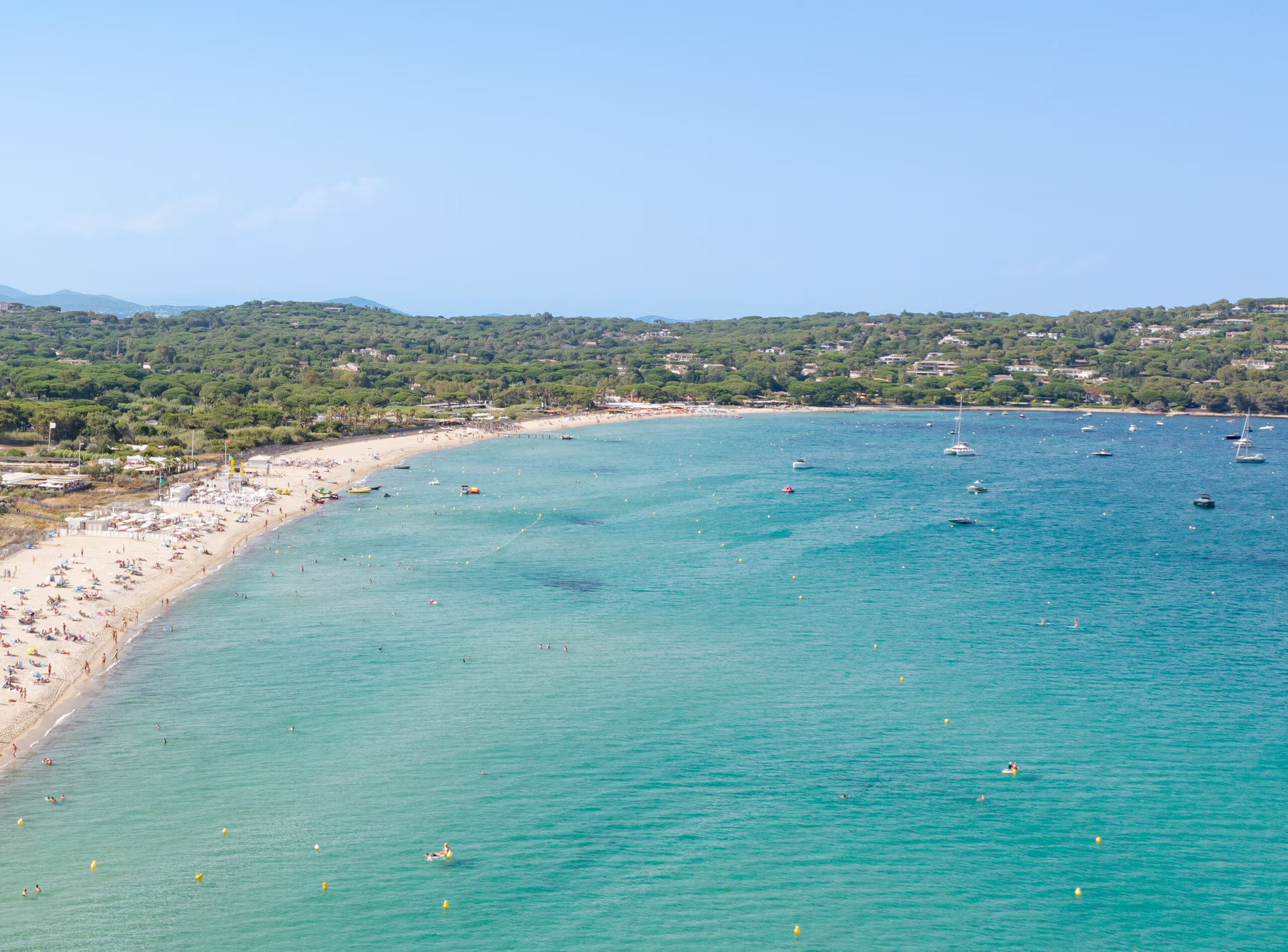
The west-end Riviera dream, sunny and open.
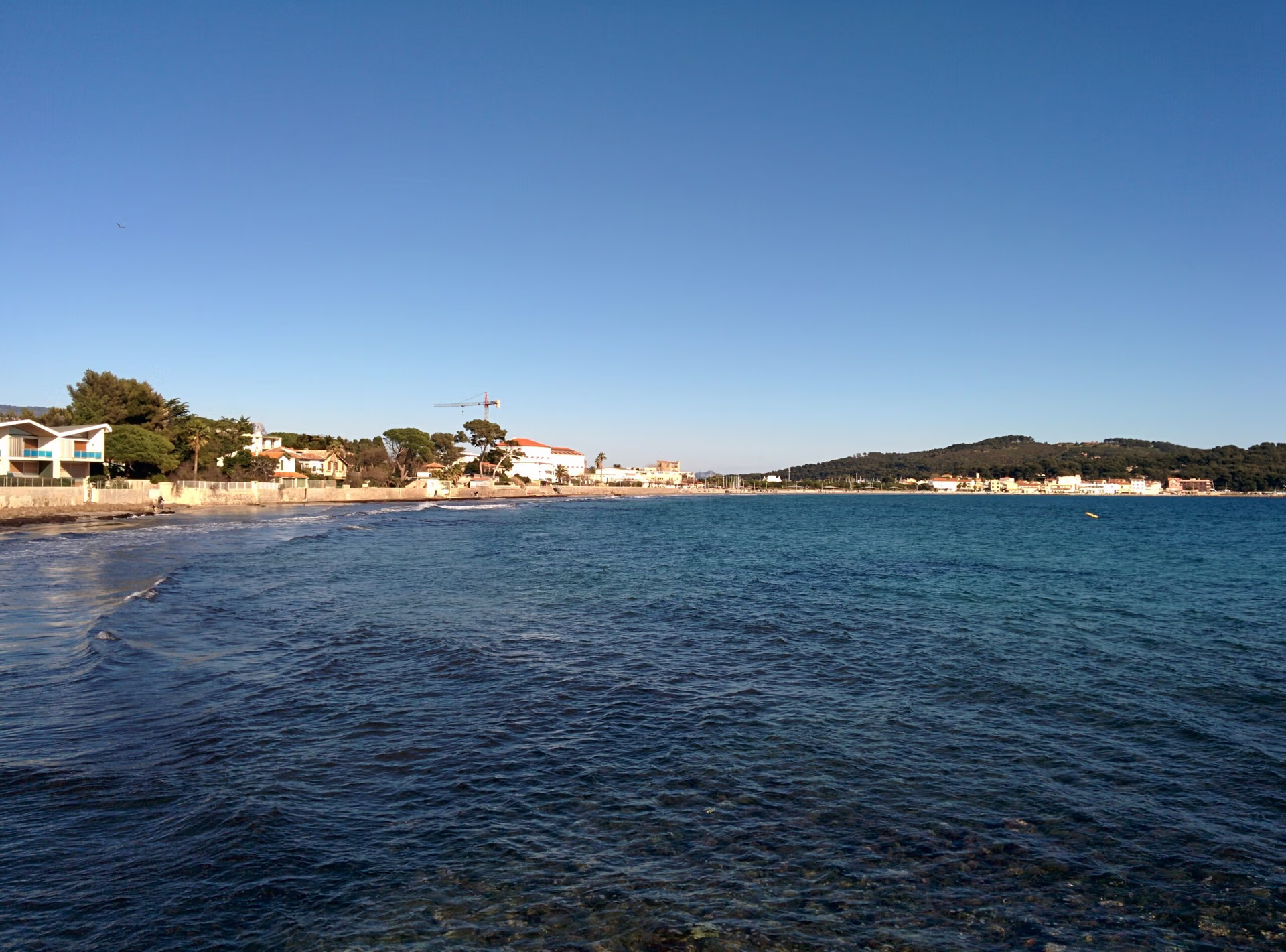
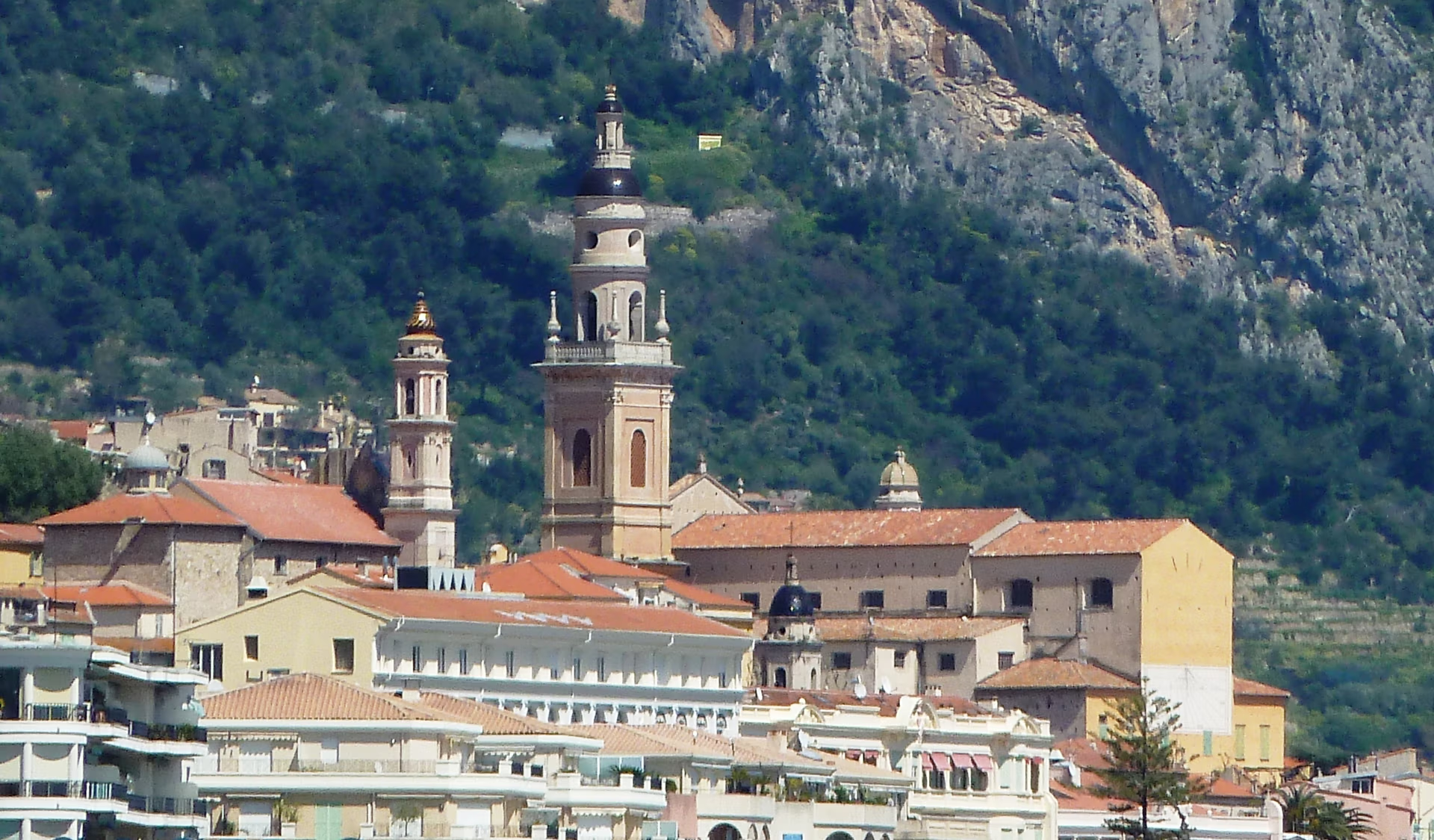
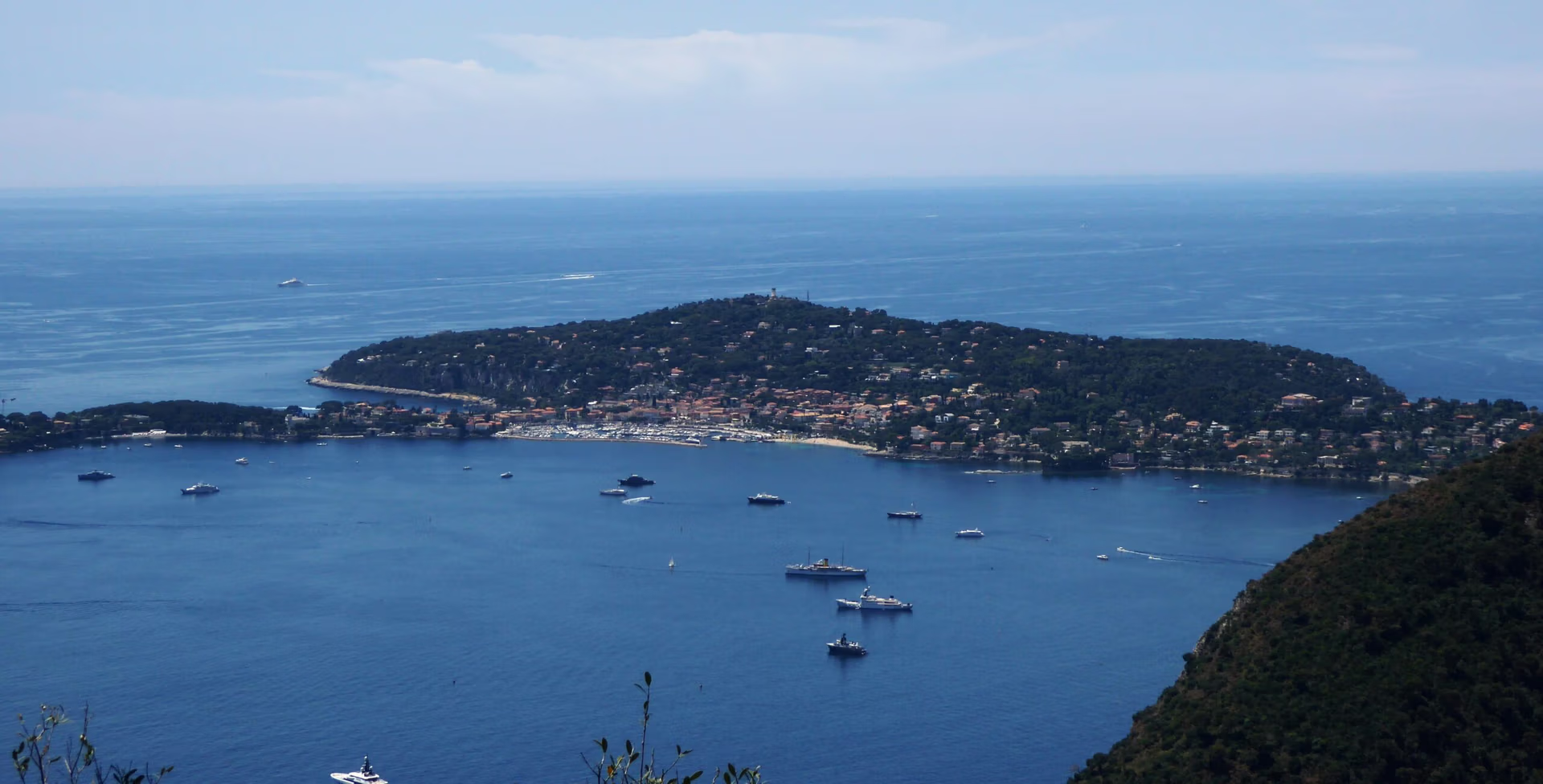
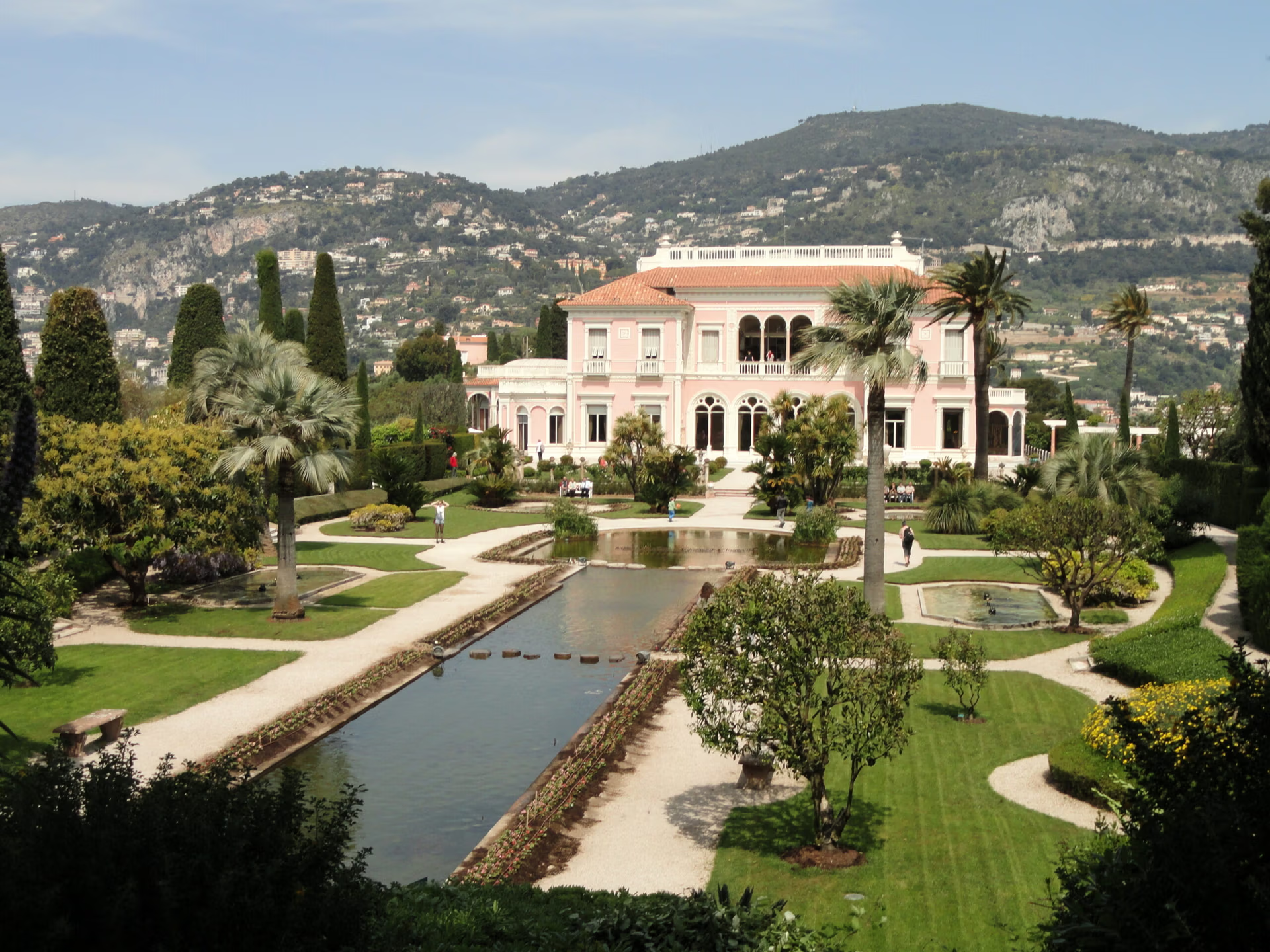
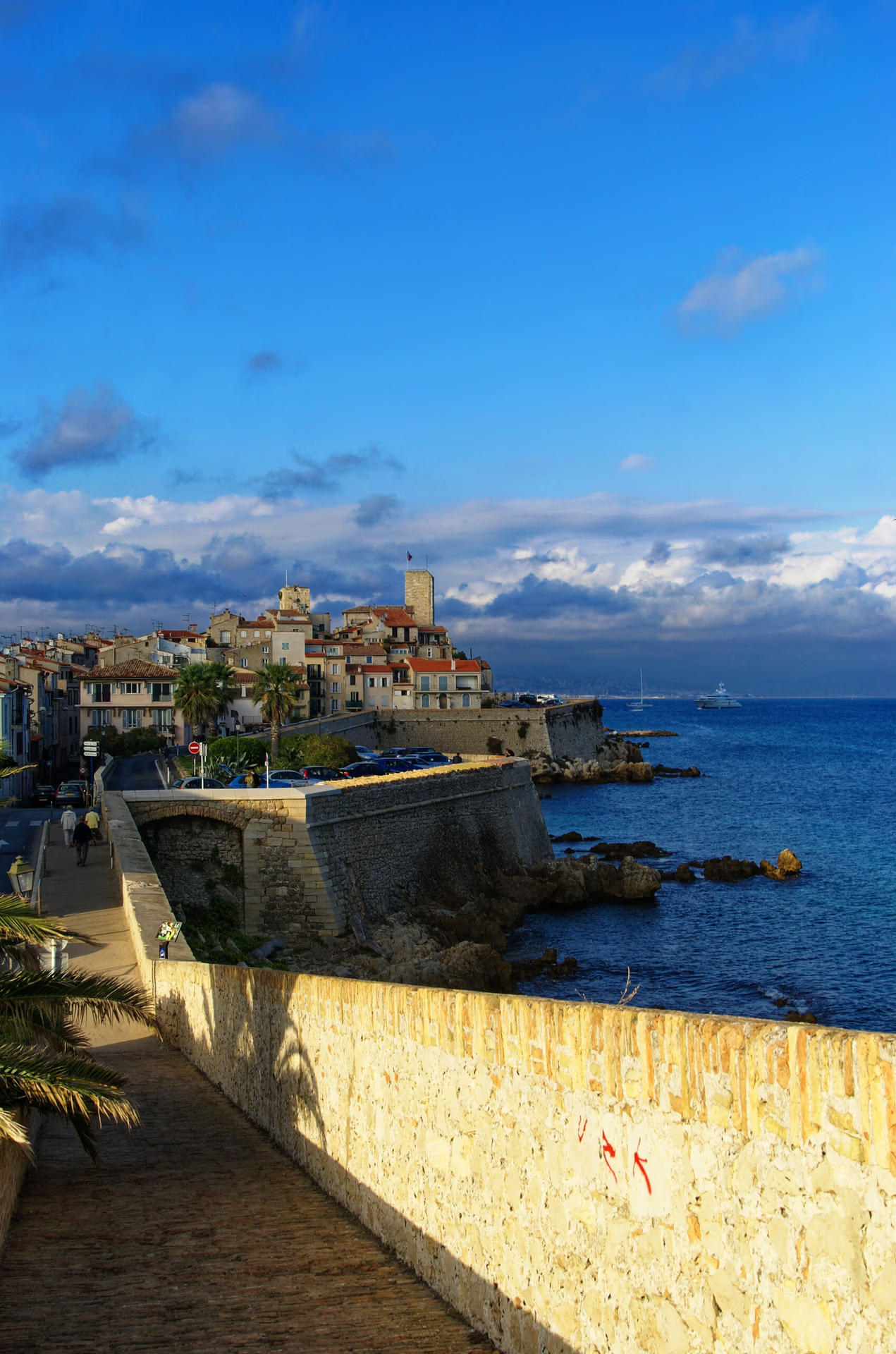
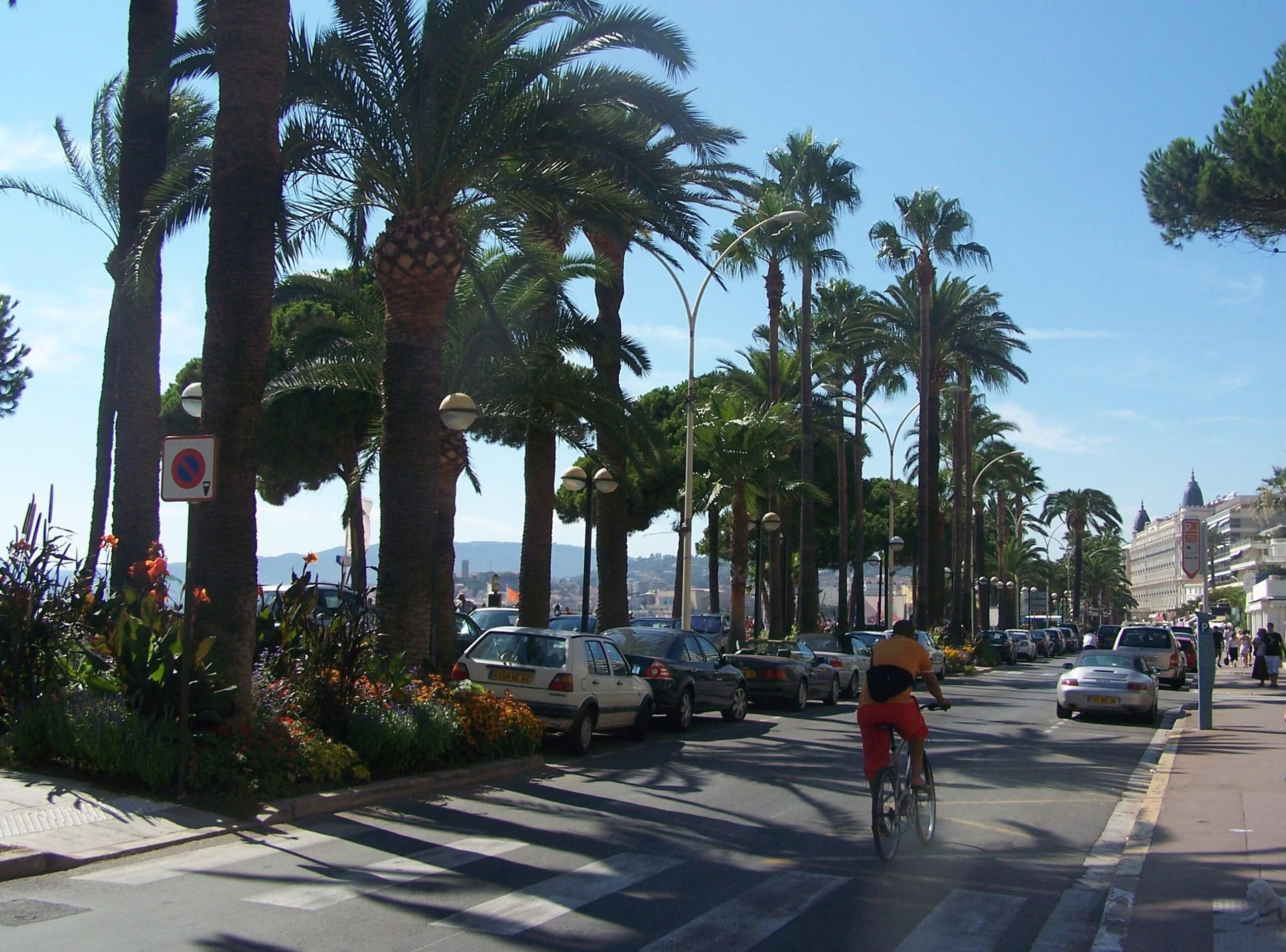
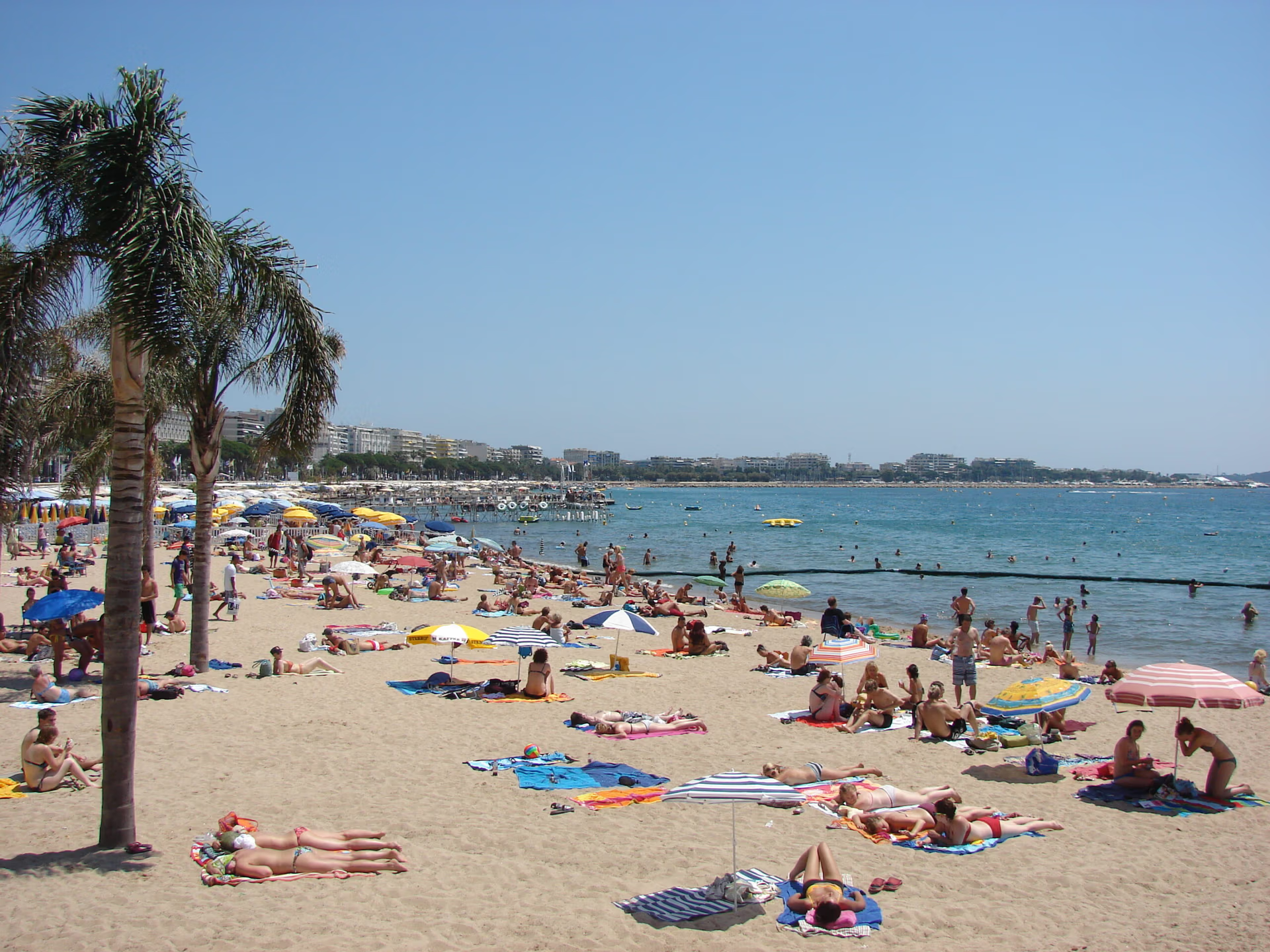
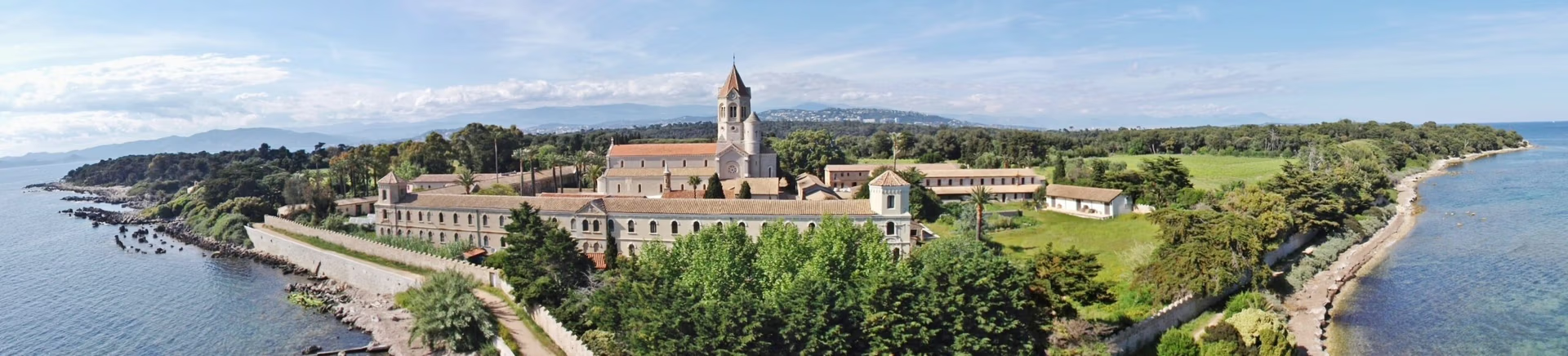
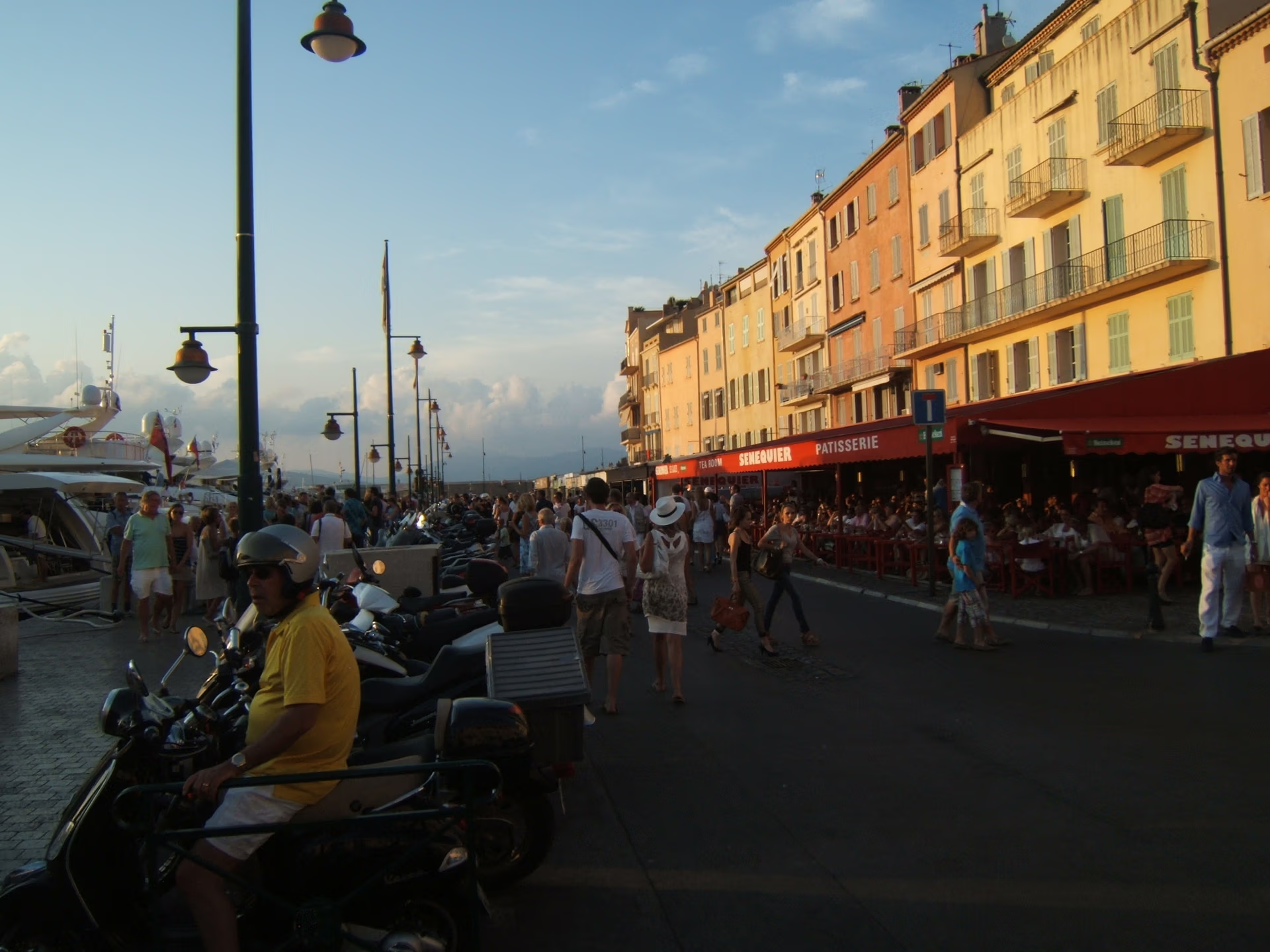
Big enough to feel alive. Small enough to belong.
Nice gives the Riviera its daily pulse: the Promenade, Port Lympia, Cours Saleya, Place Masséna, trams, terraces, markets and winter light. It is not just where visitors land. It is where students meet, walk, eat, wait for friends and find their own habits.
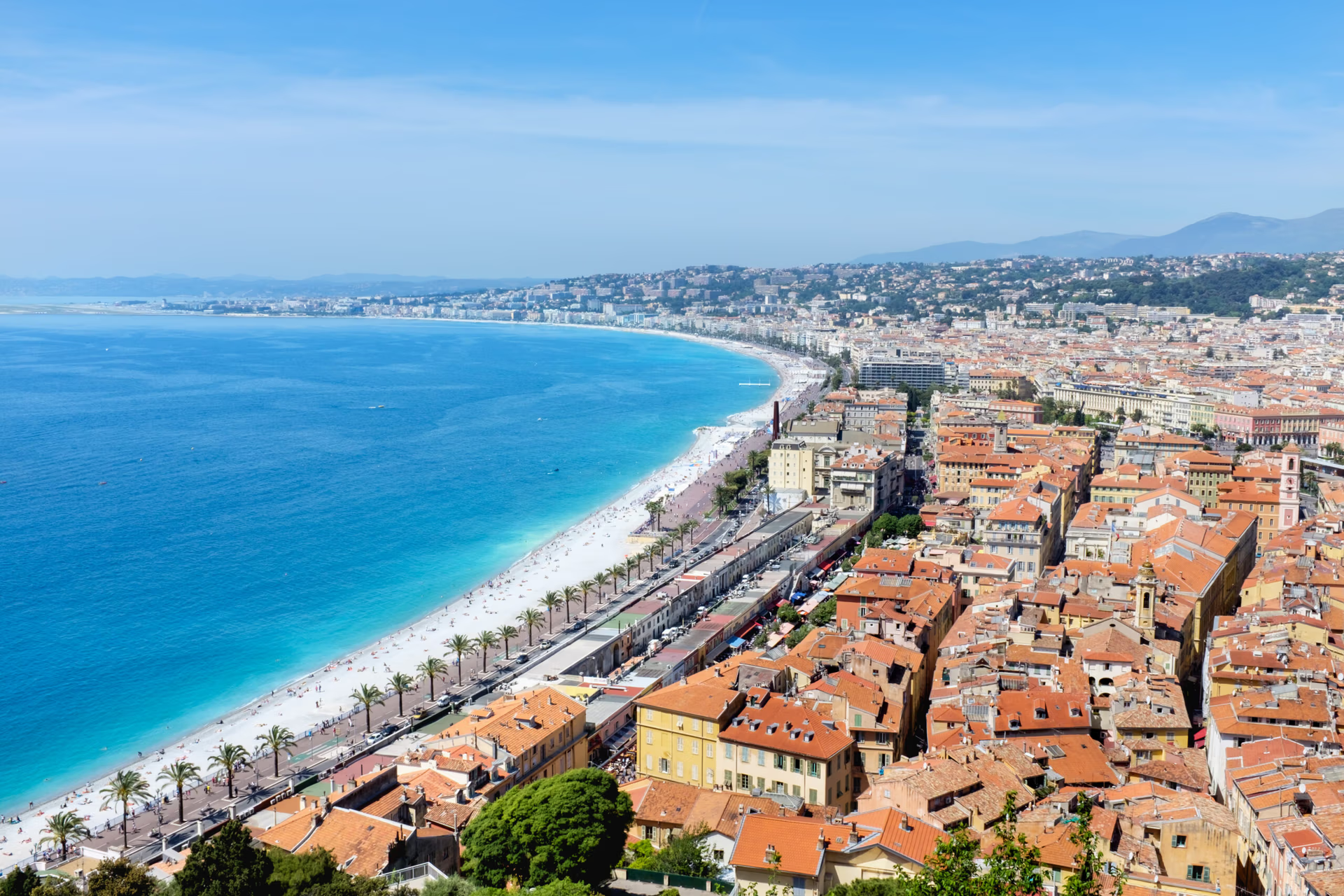
A city built around the curve of the sea.
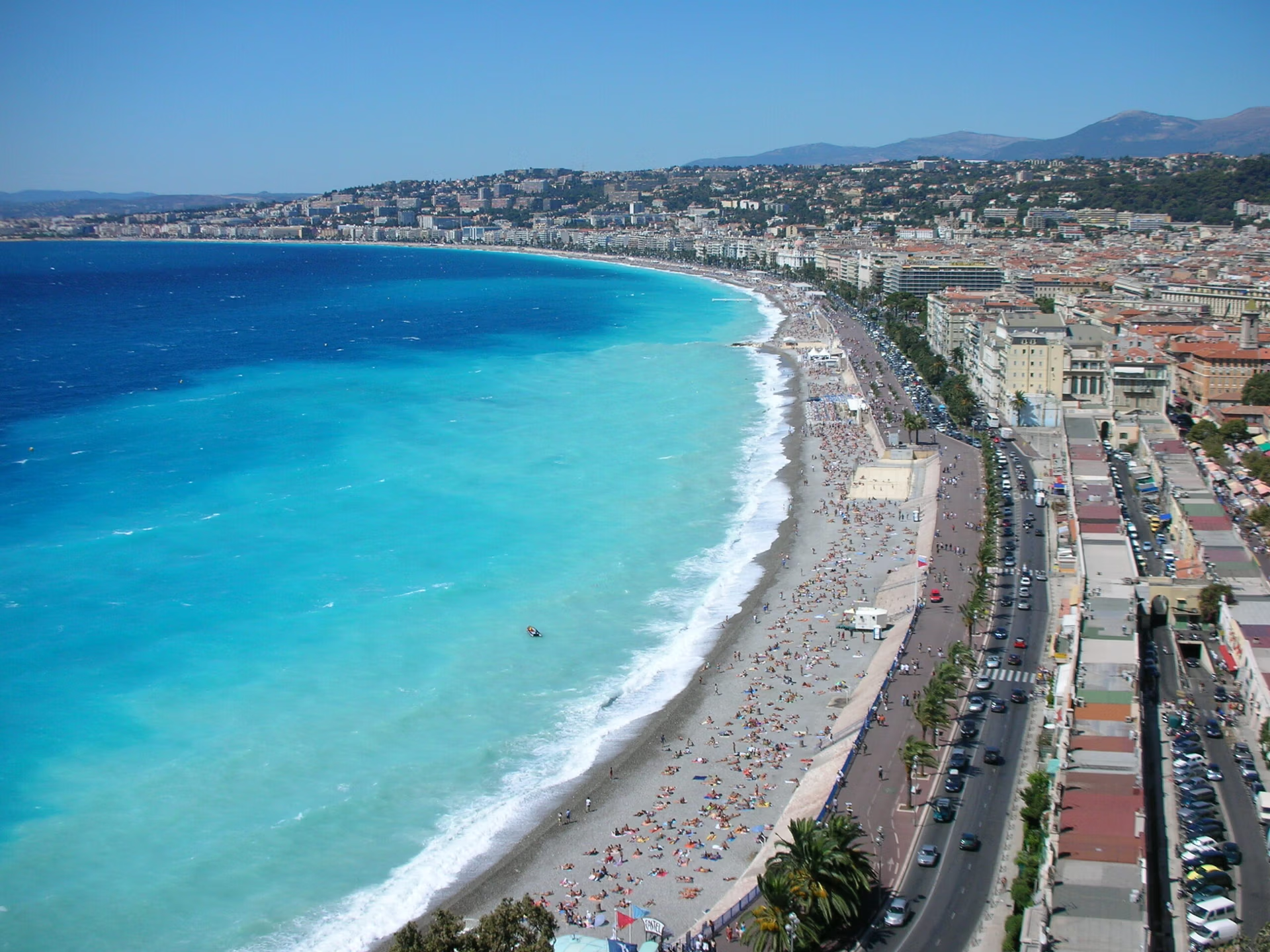
The seafront is part of daily life, not a distant postcard.
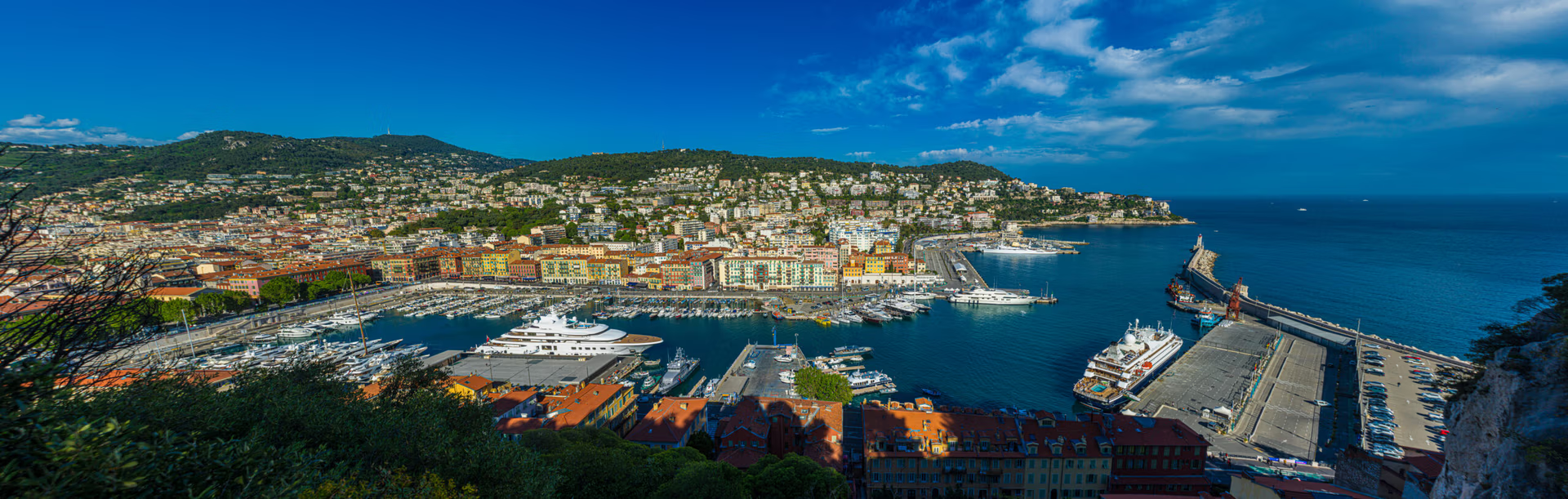
Boats, colour and an urban Mediterranean mood.
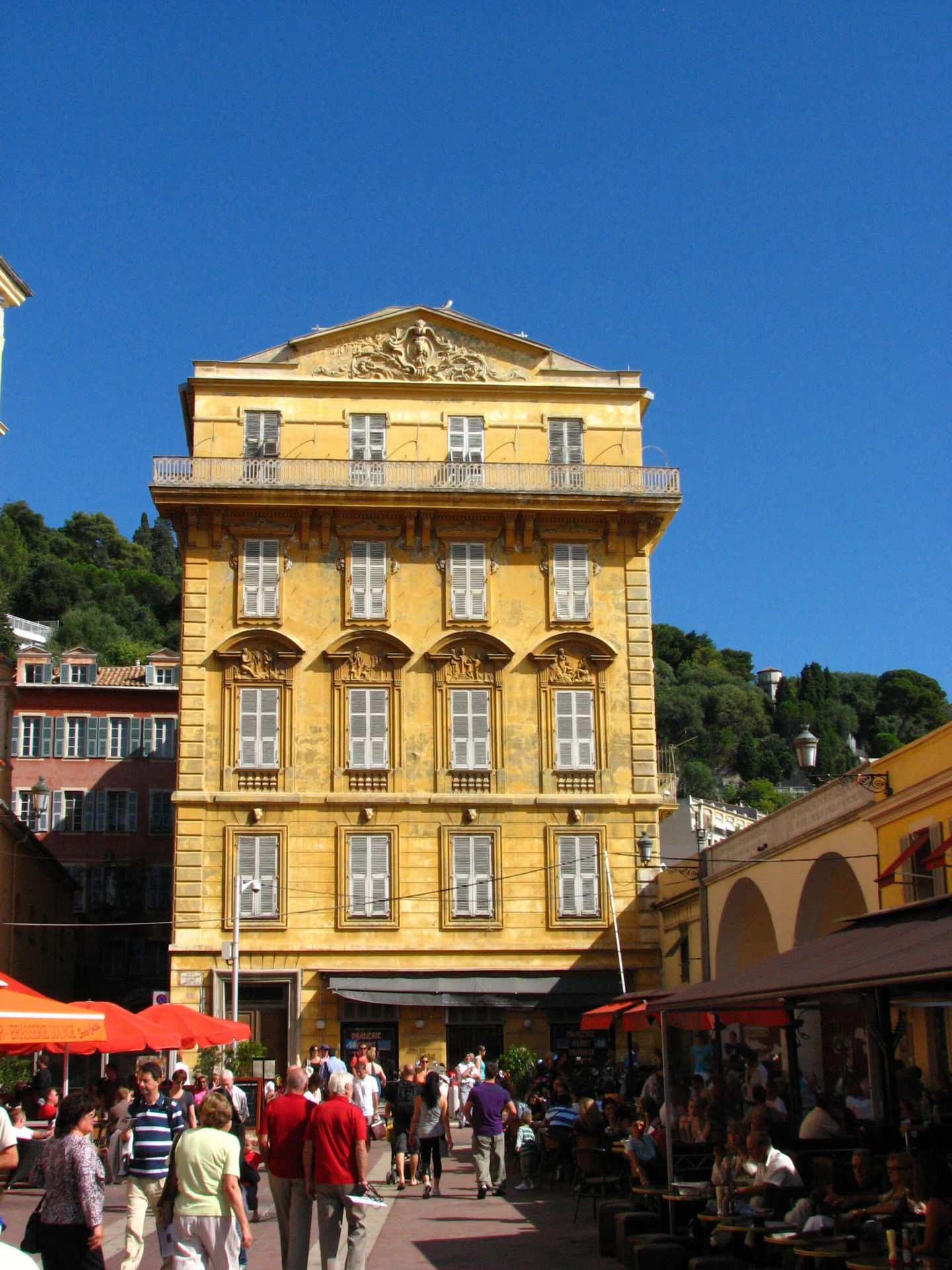
Flowers, food, cafés and everyday movement.
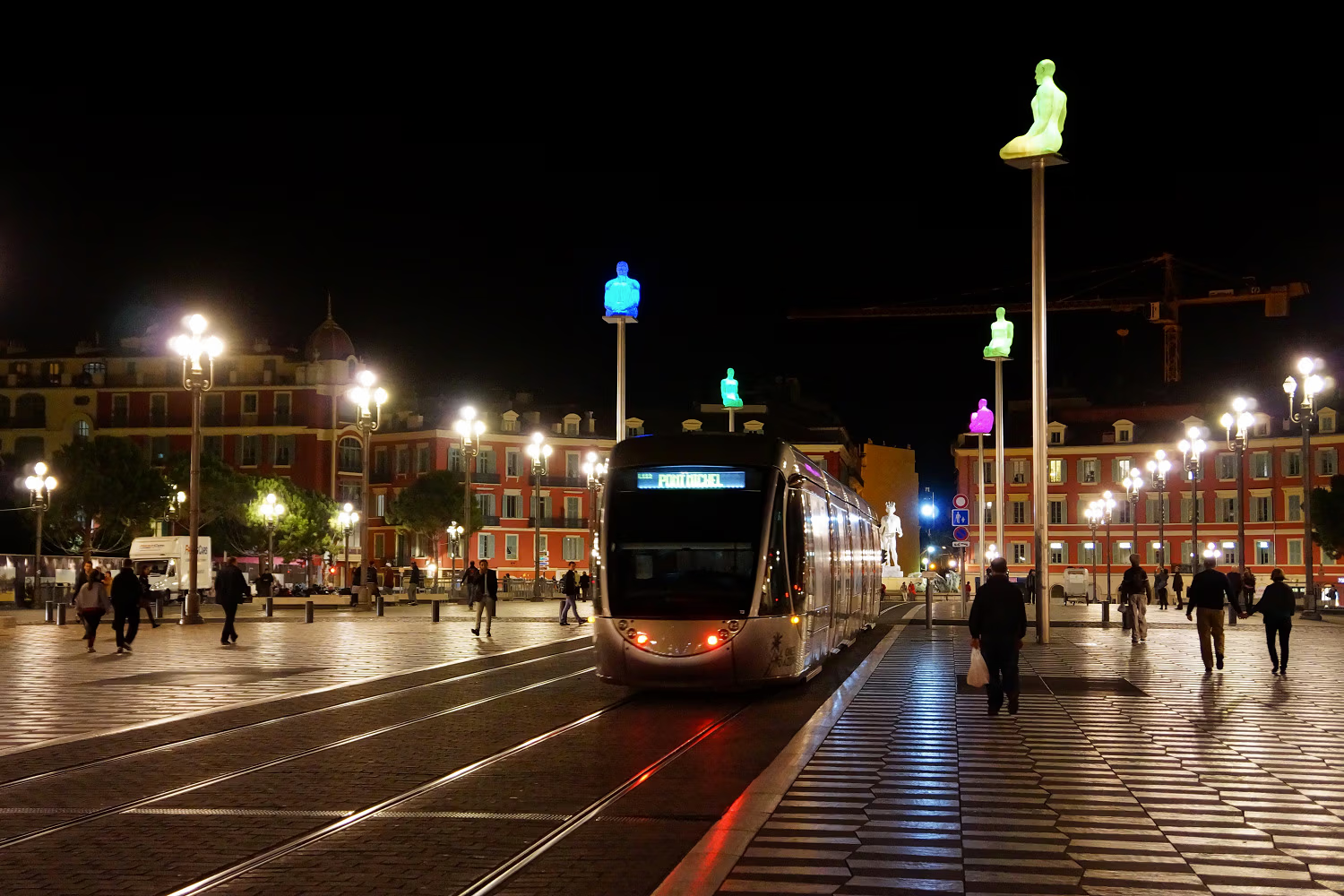
Central public space, tramlines and night lights.
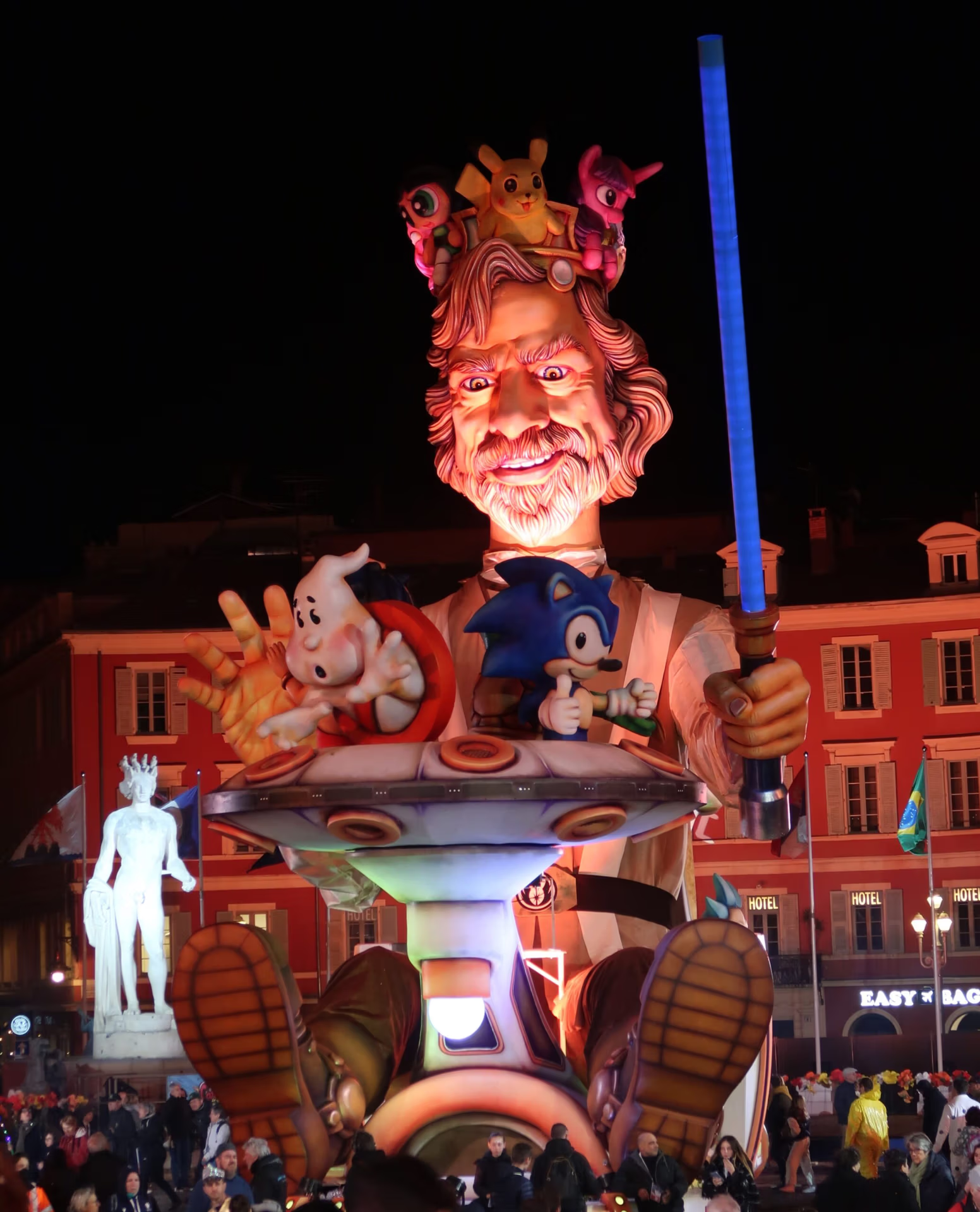
International events without leaving the city.
The Riviera is also stone villages and green valleys.
A few kilometres inland, the tempo changes. Saint-Paul-de-Vence, Vence, Tourrettes-sur-Loup, Grasse, Gourdon and the Loup or Vésubie valleys give students something rare: a region that can feel cultural, rural, creative and outdoorsy without becoming remote.
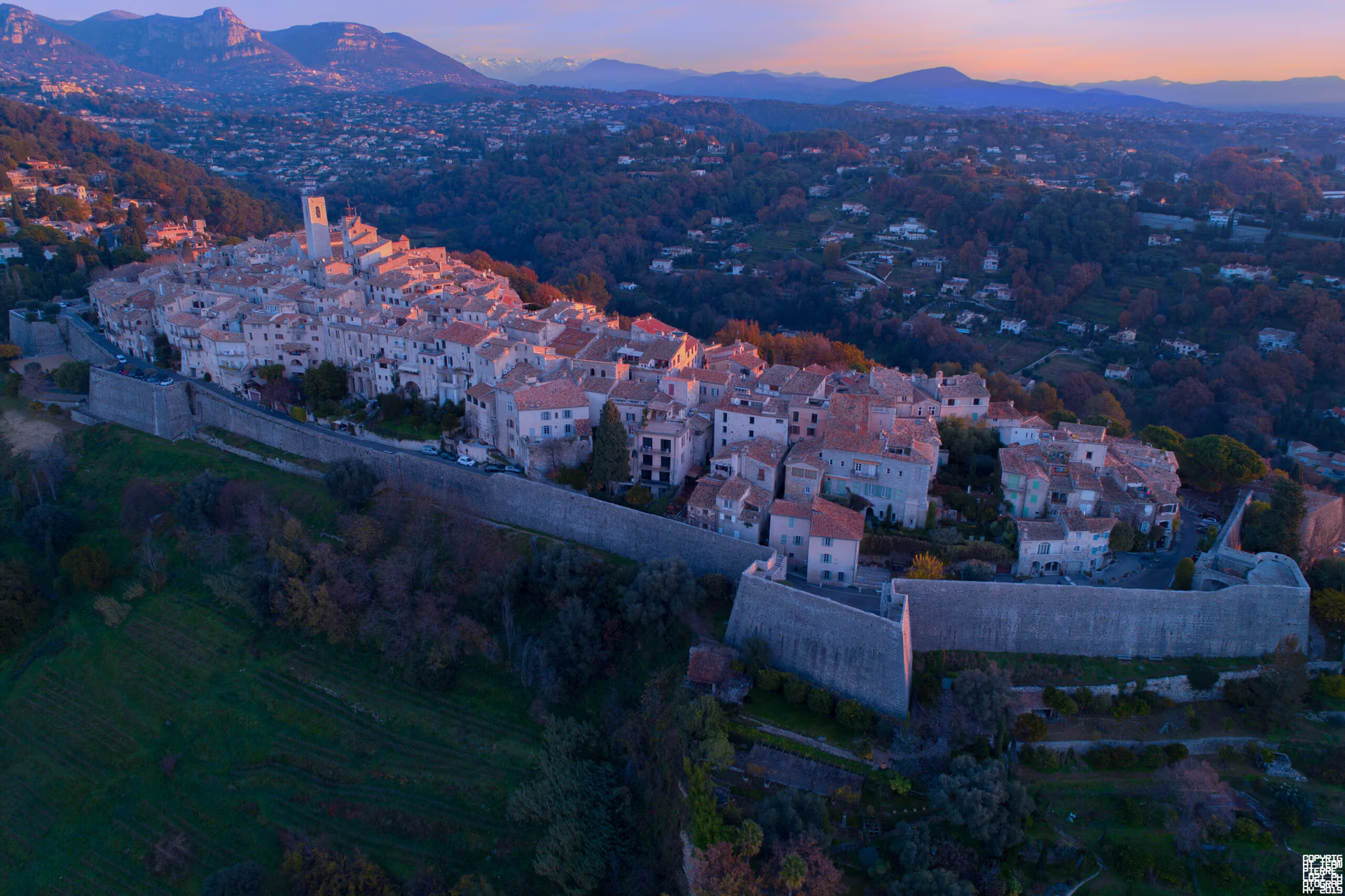
A hilltop village that still feels like a living place.
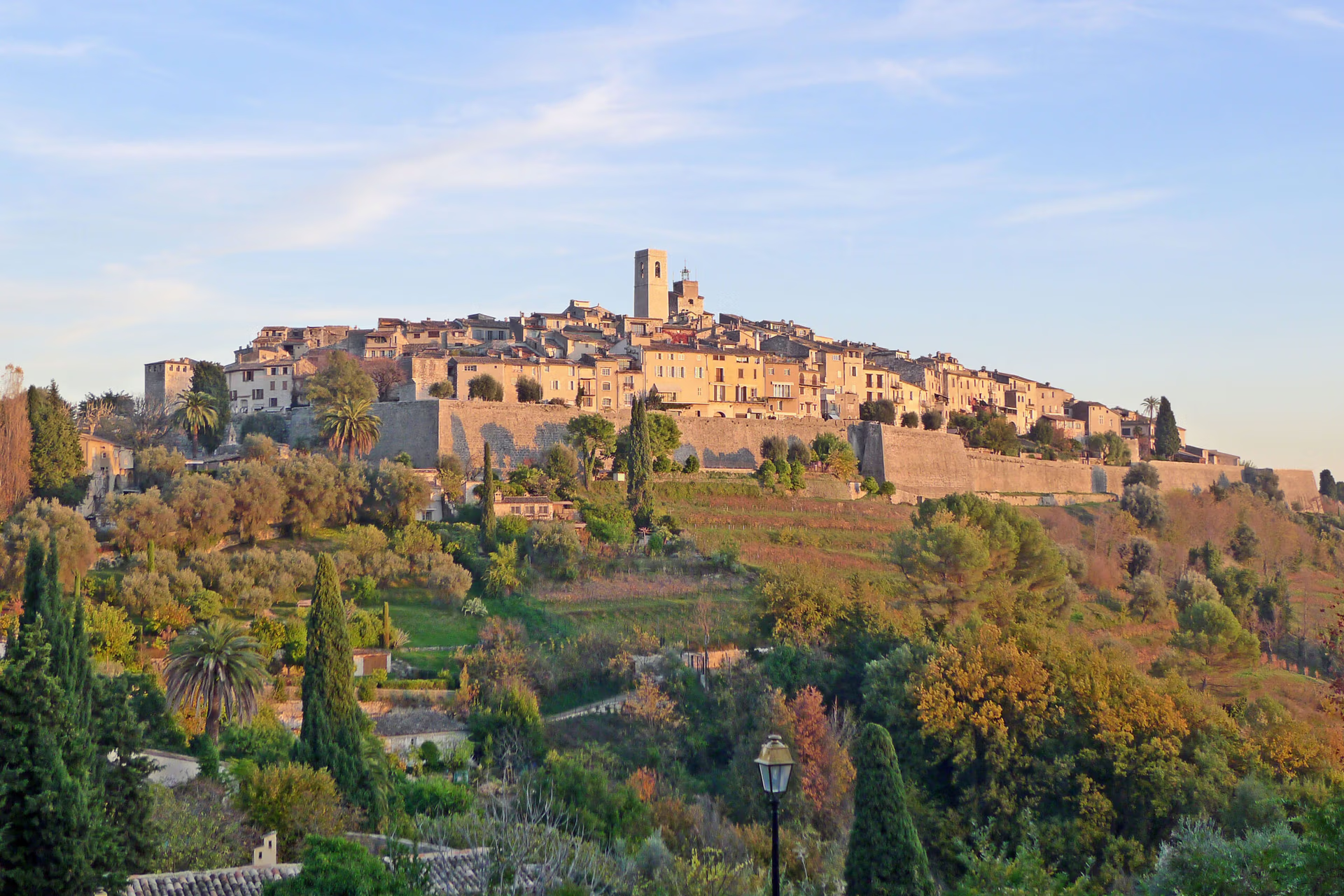
The moyen pays opens just behind the coast.
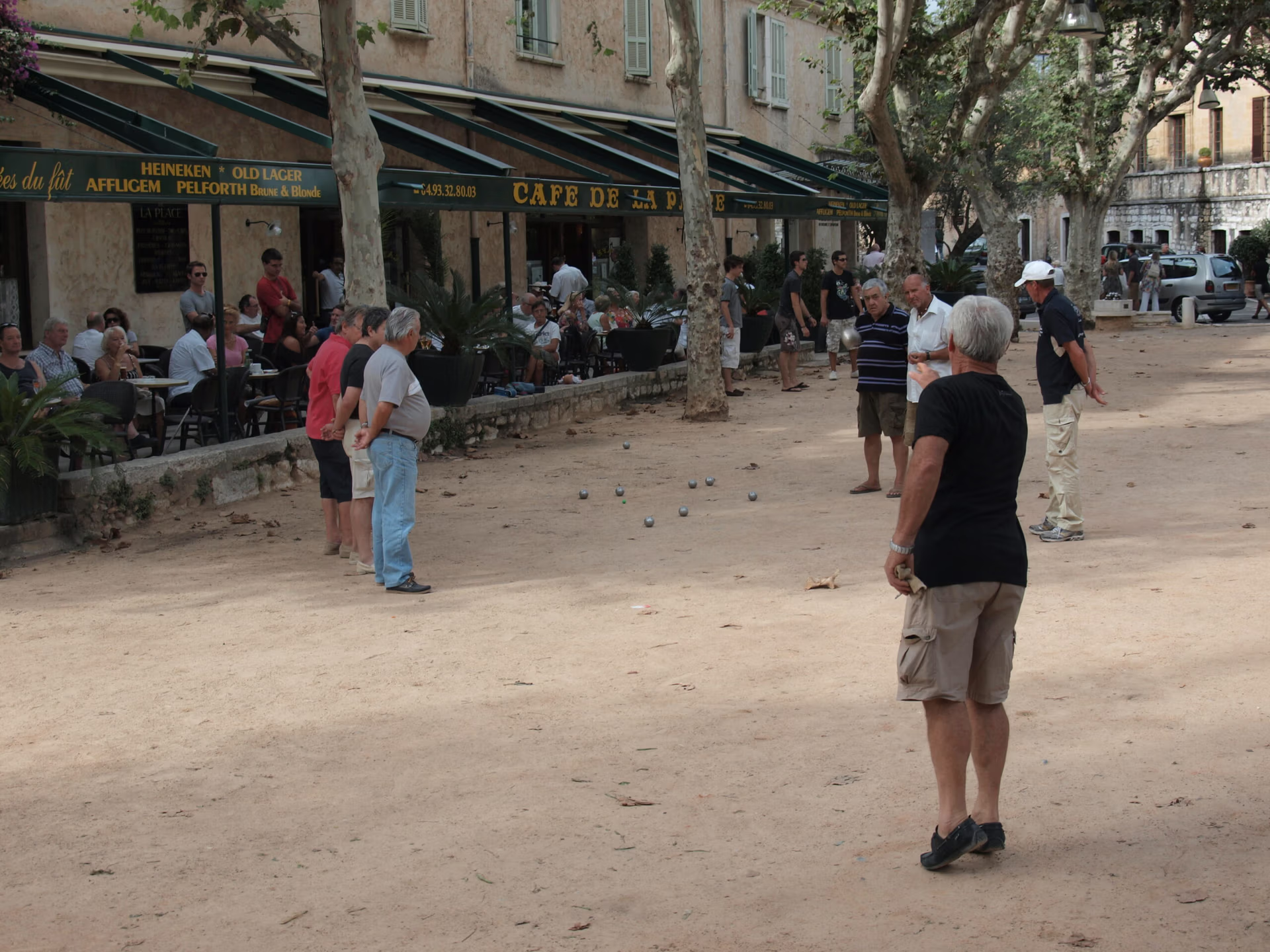
Human scale matters more than postcard gloss.
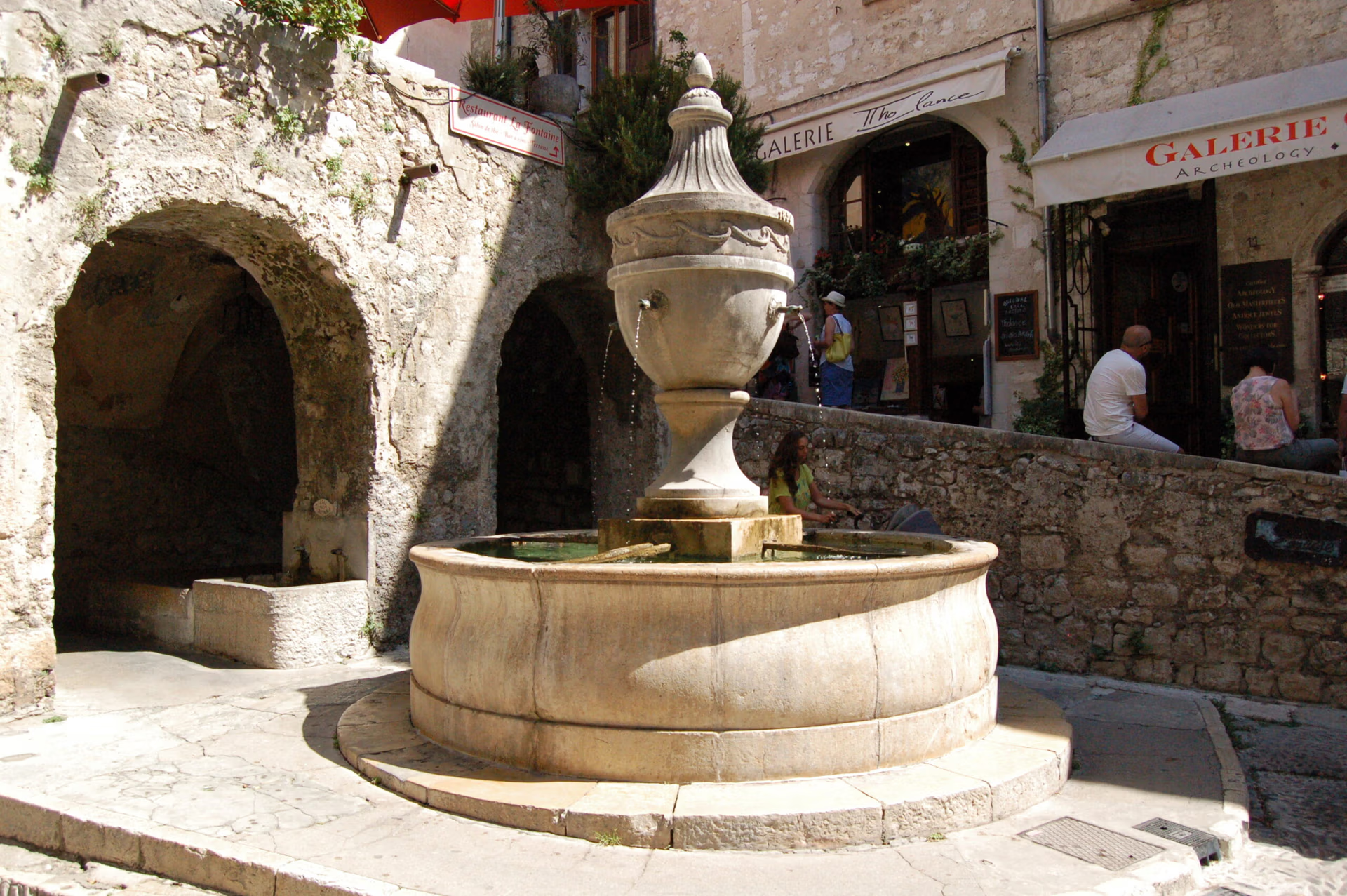
The texture of old places is part of the rhythm.
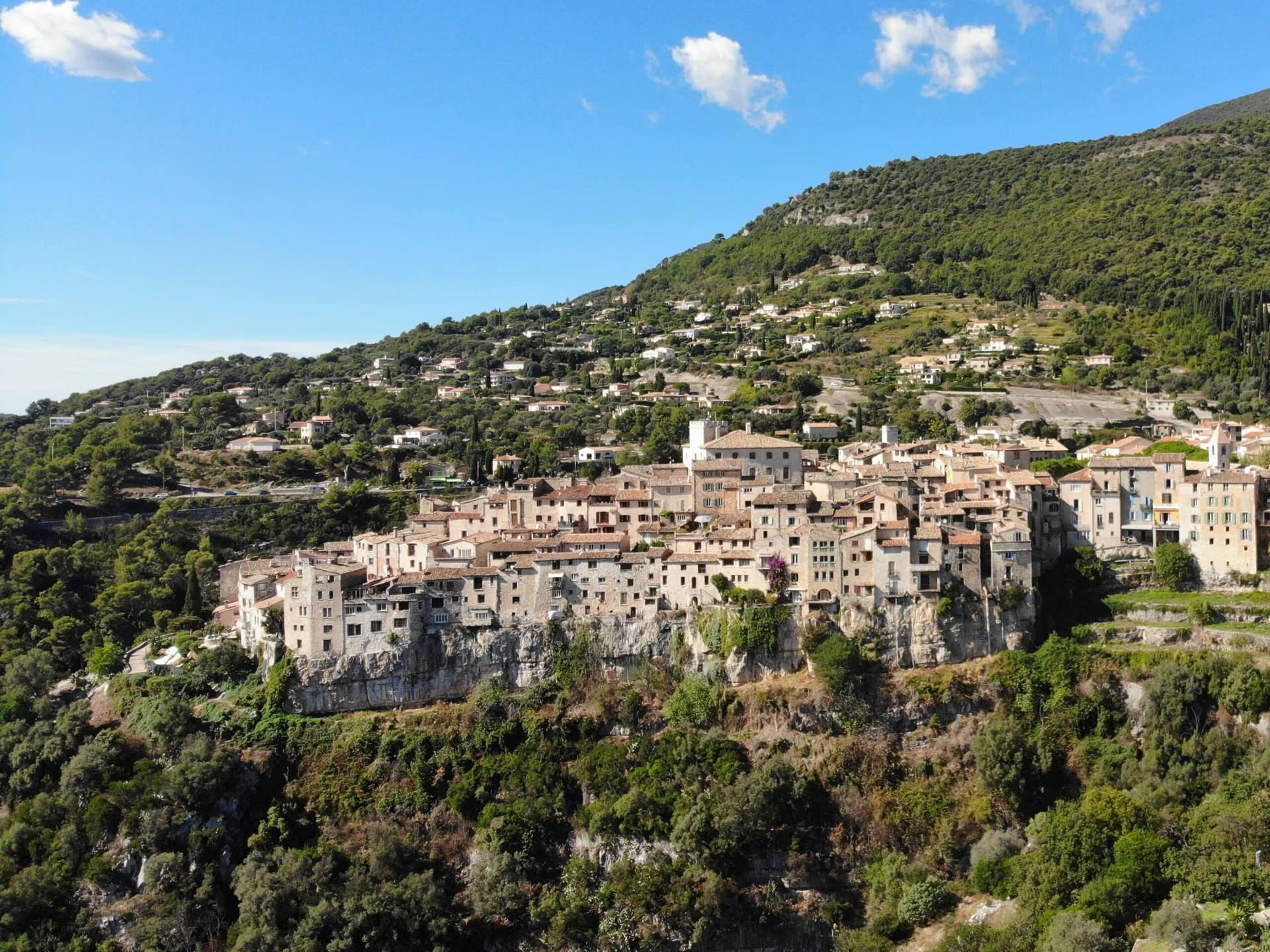
A perched village with its own rhythm.

A wide inland view between village and sky.
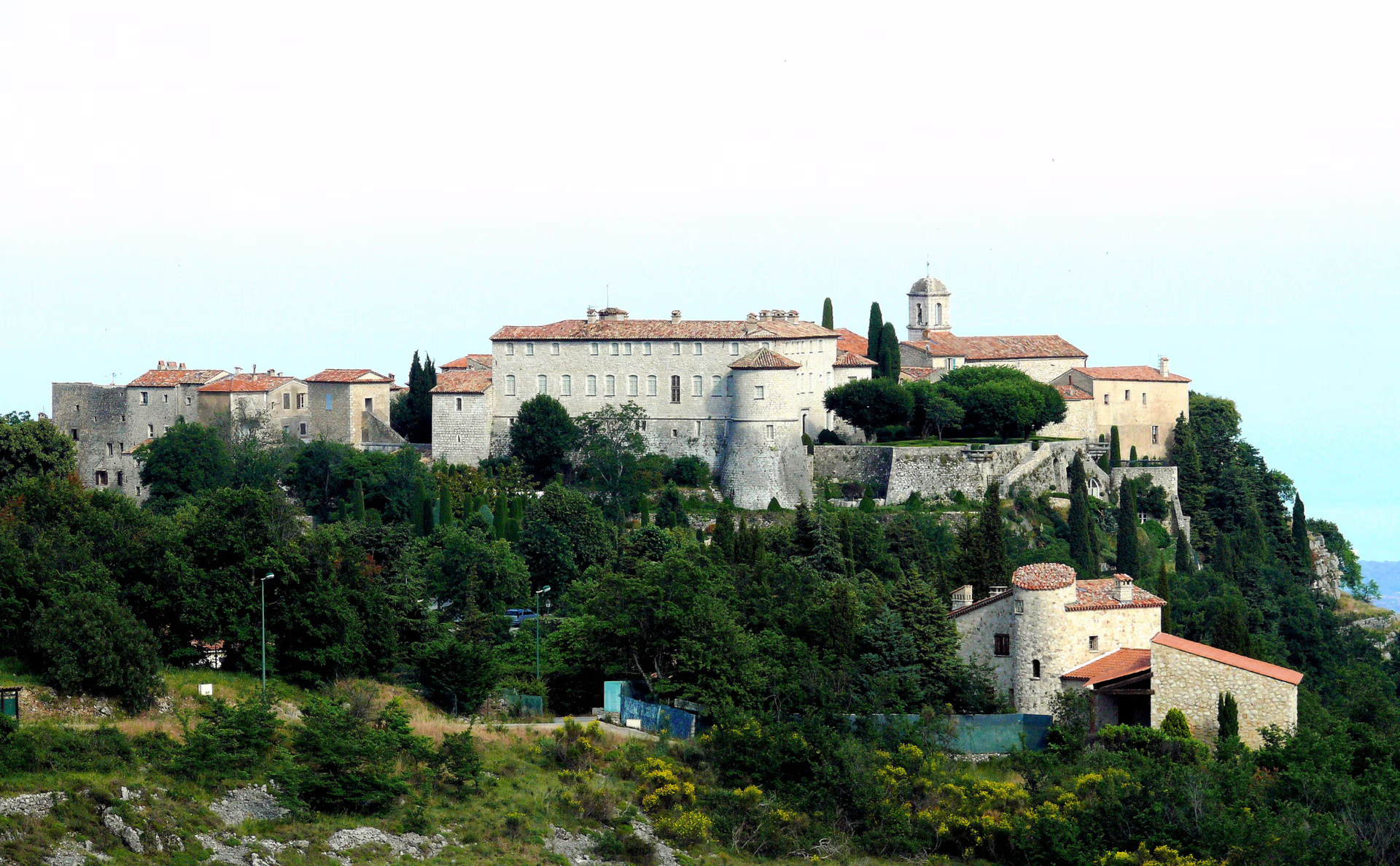
Balconies over the inland landscape.
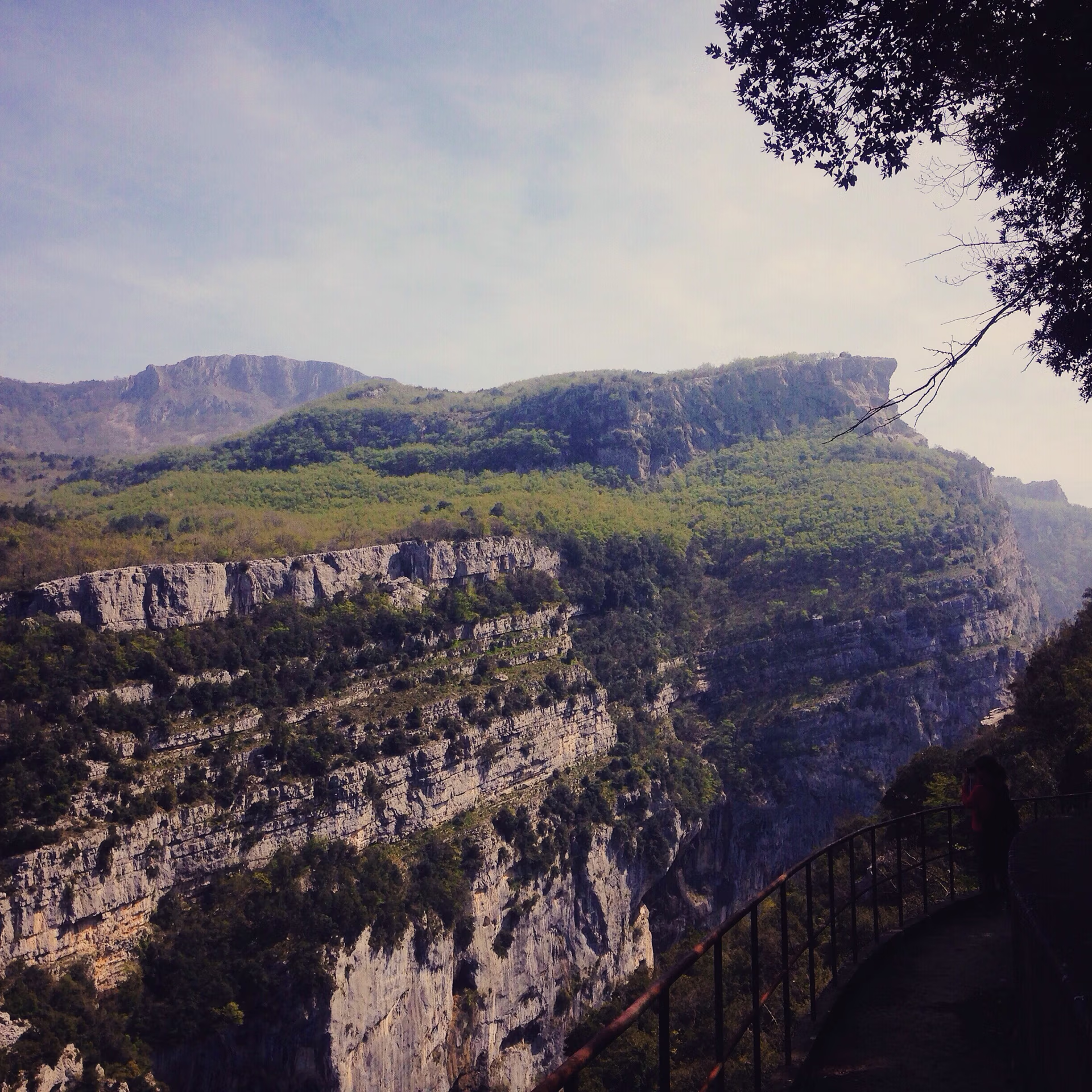
A nearby wild landscape for weekends.
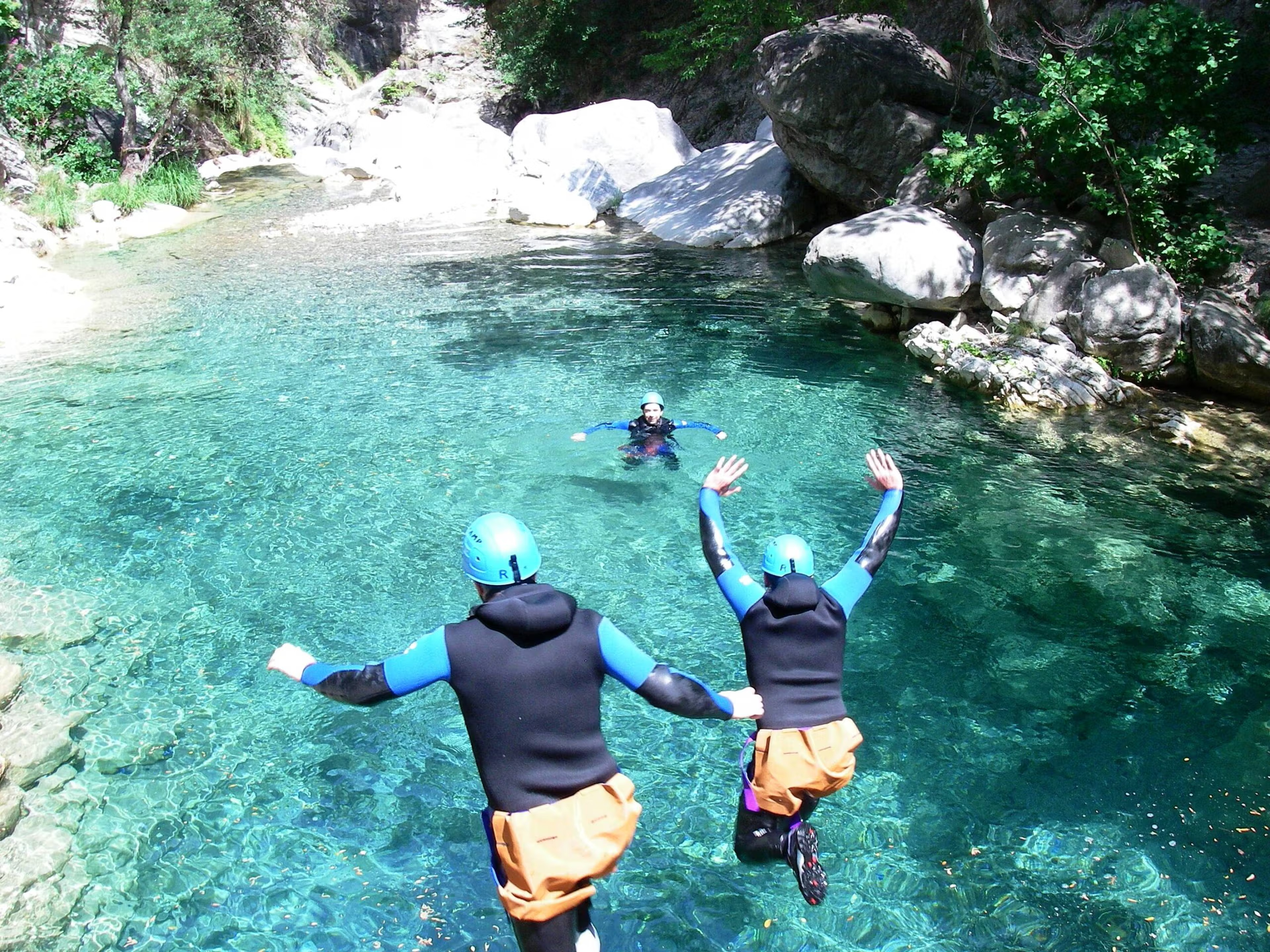
Water, rock and green shade close to the coast.
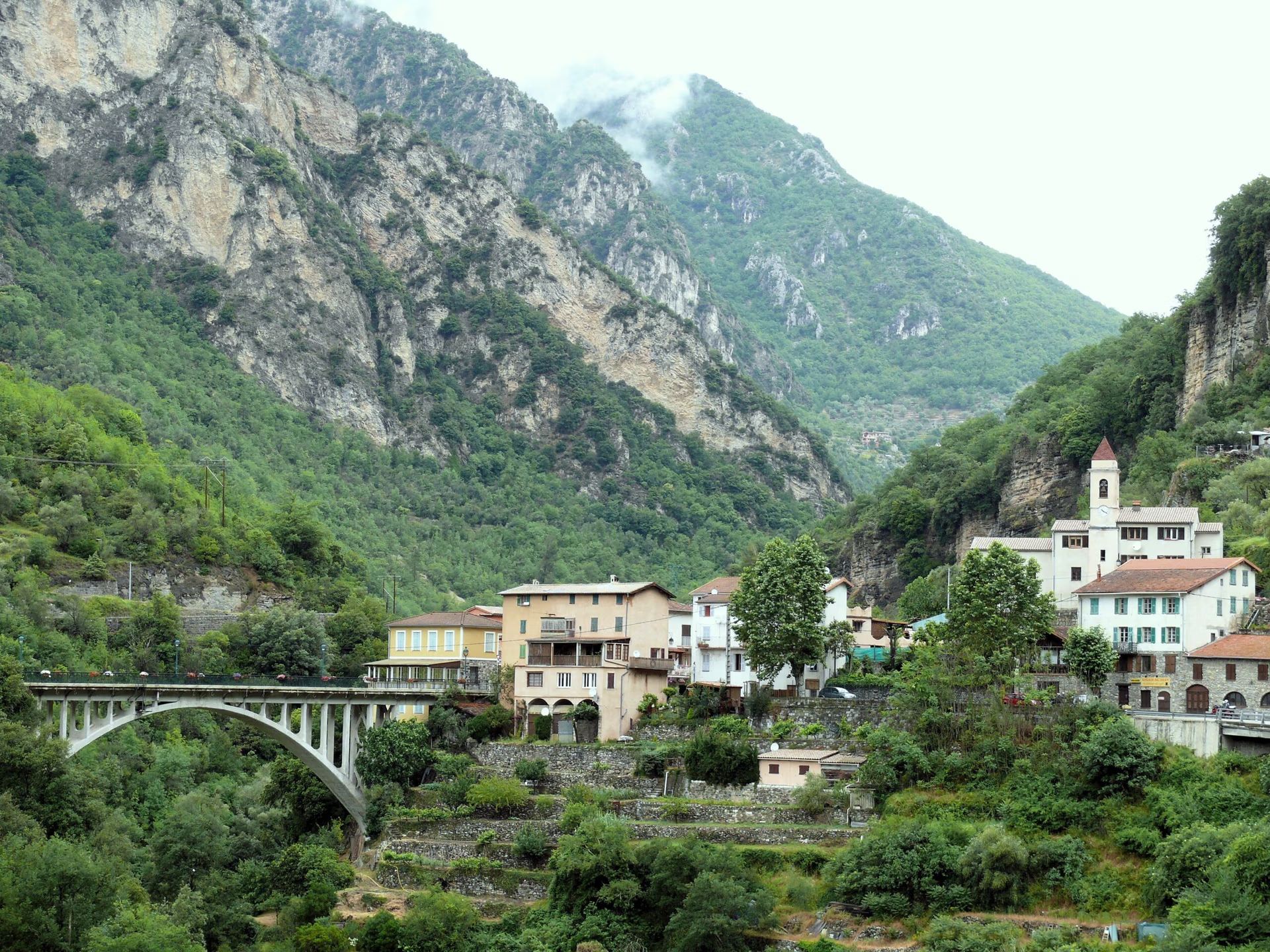
A mountain gateway from the coast.
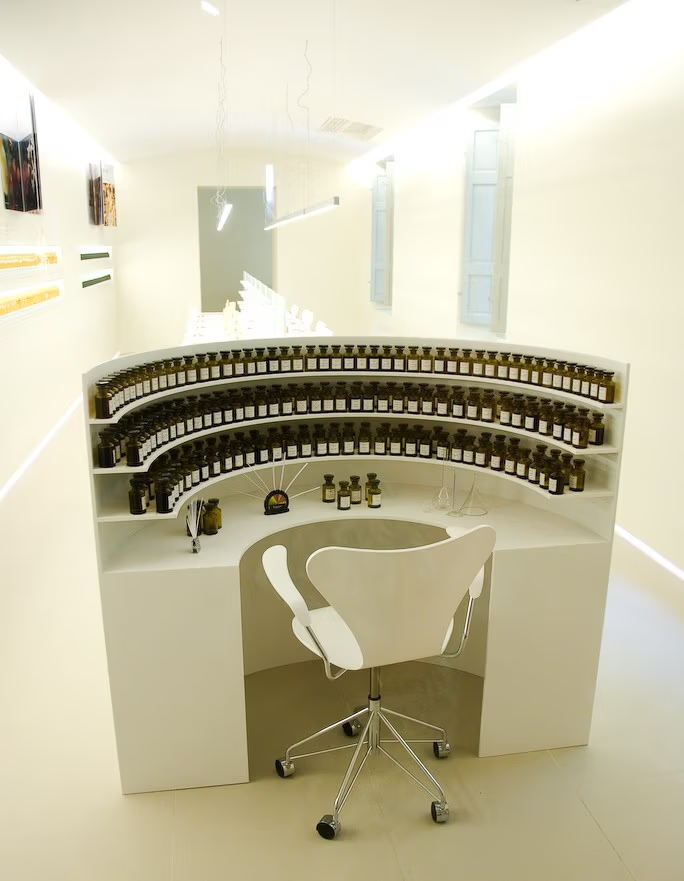
Craft and creativity, not only scenery.
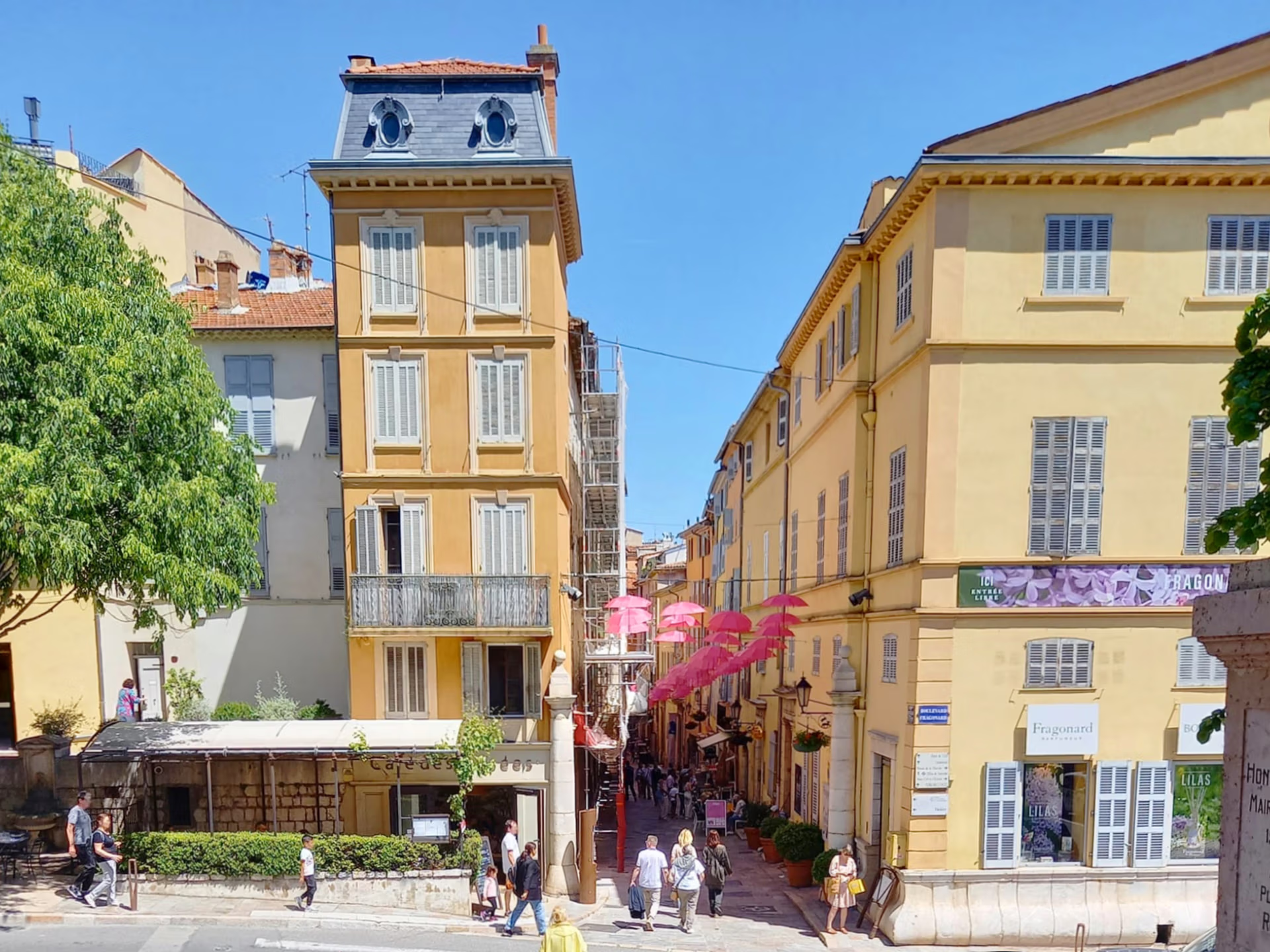
A working old town with colour and slope.
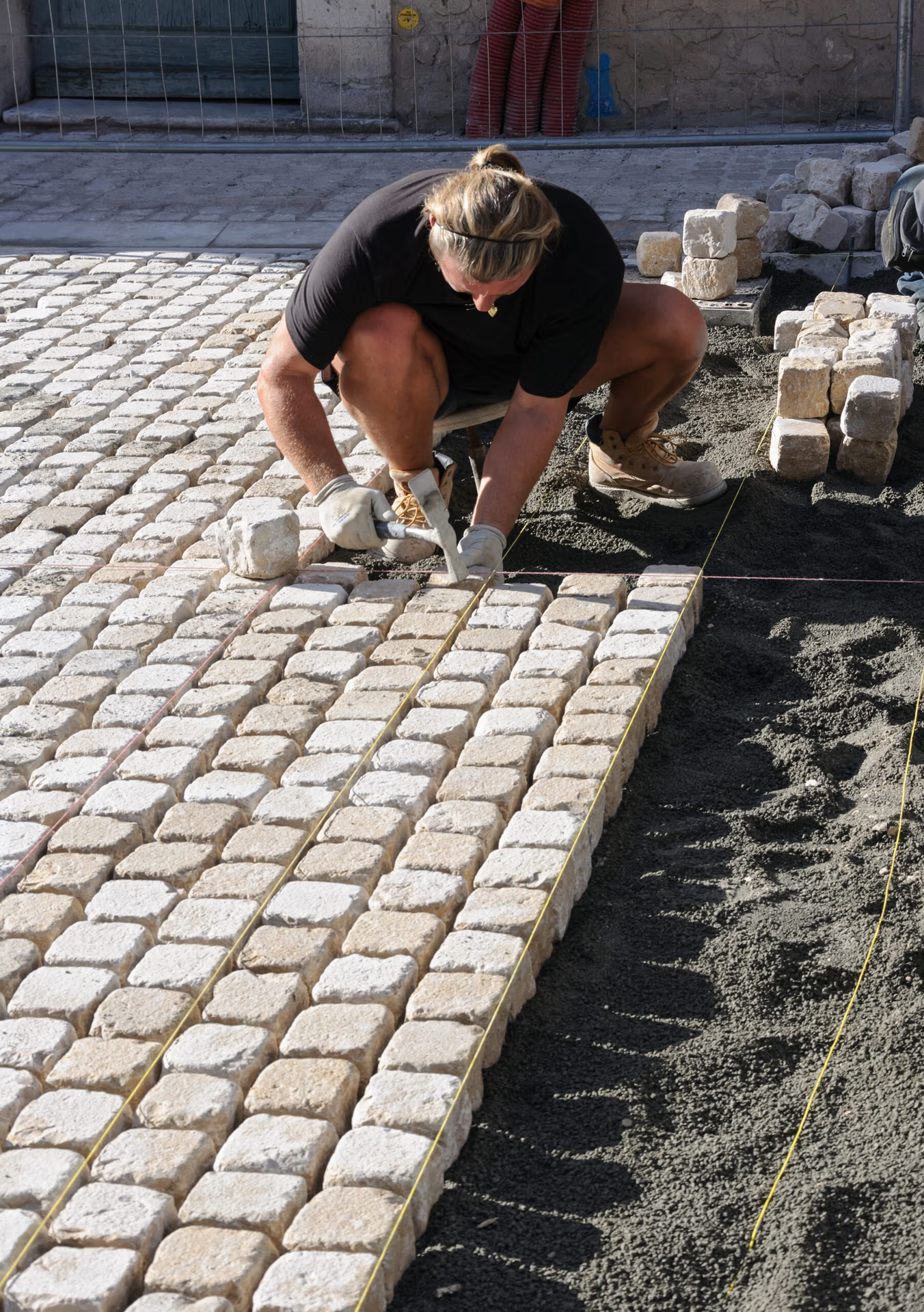
Small surfaces make places memorable.
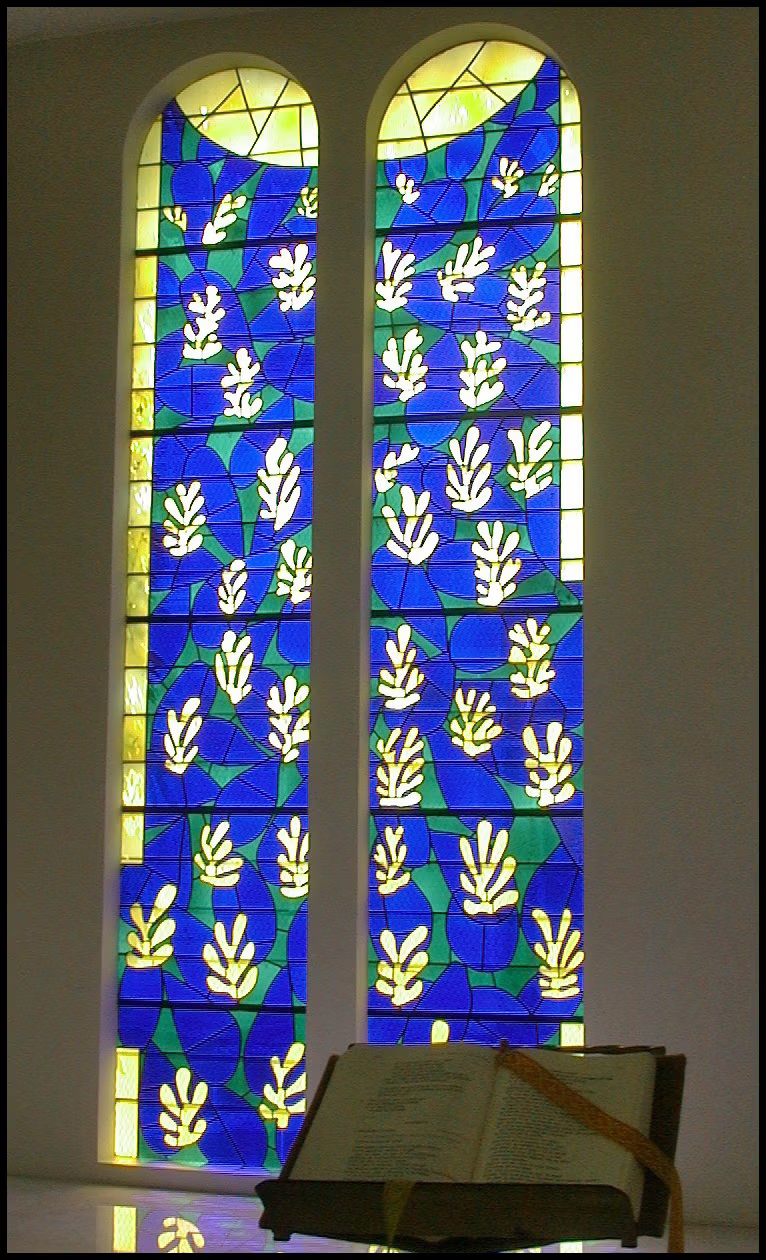
Art history close to daily student life.
Sea in the morning. Mountains when you need them.
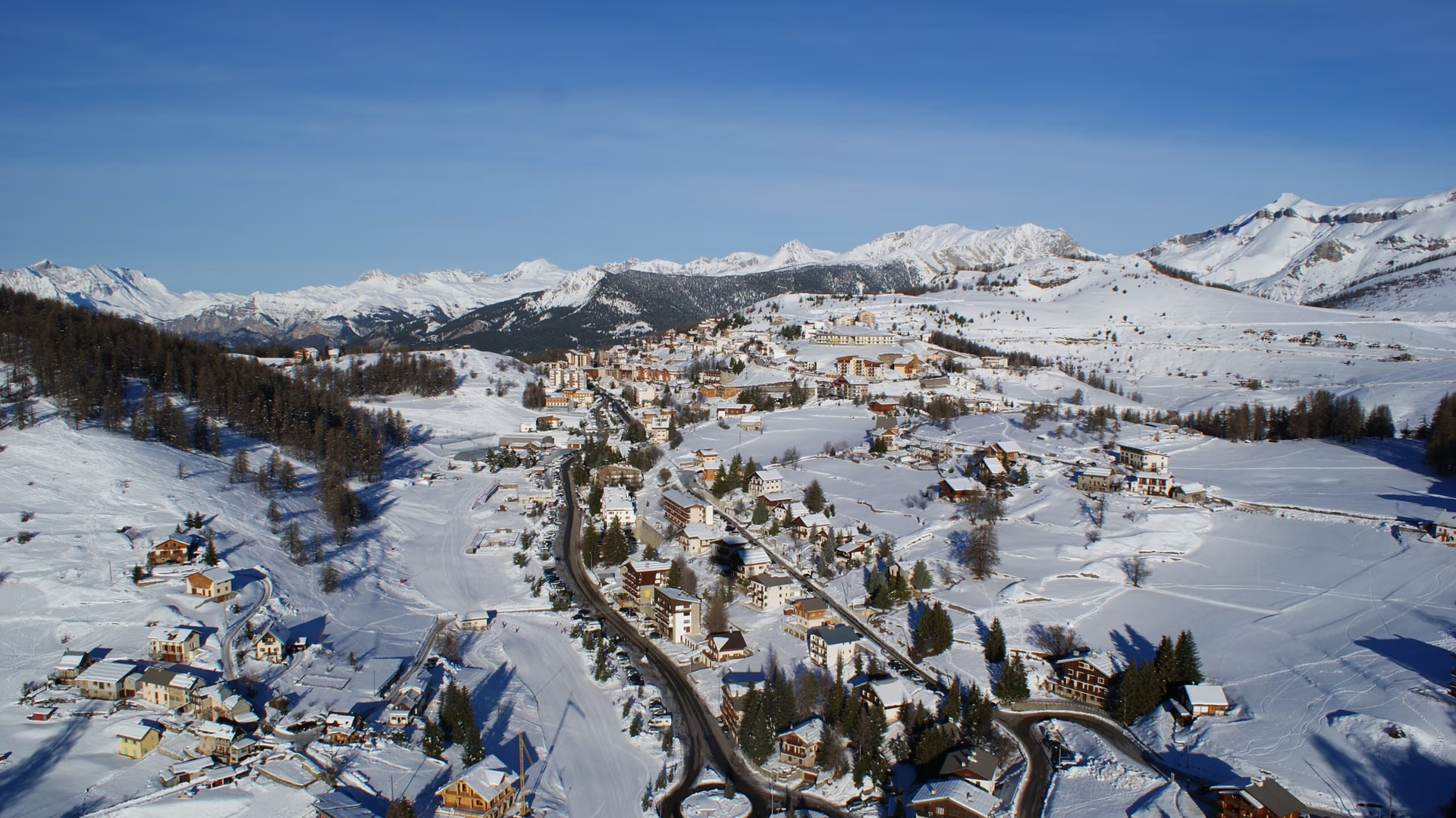
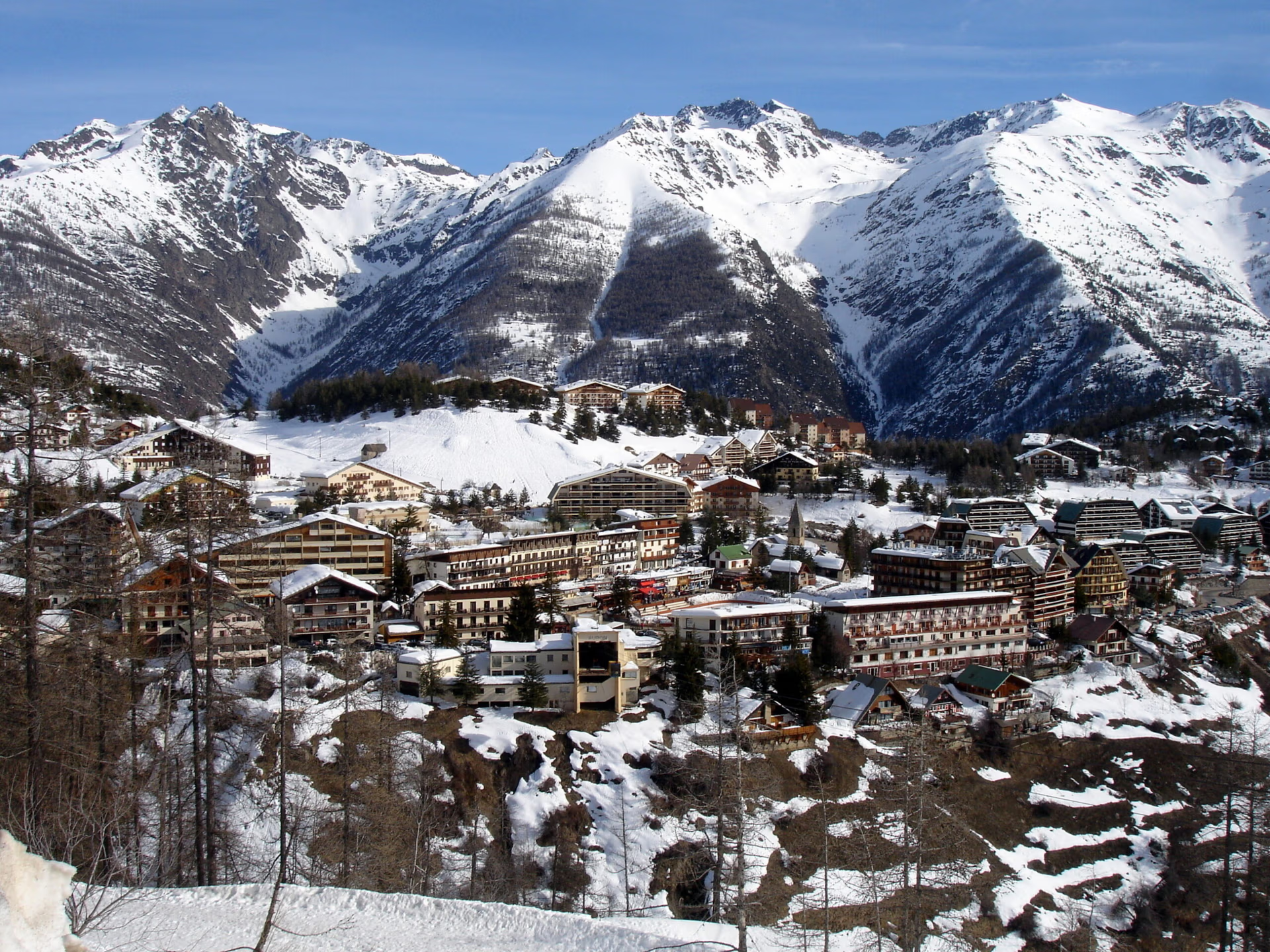
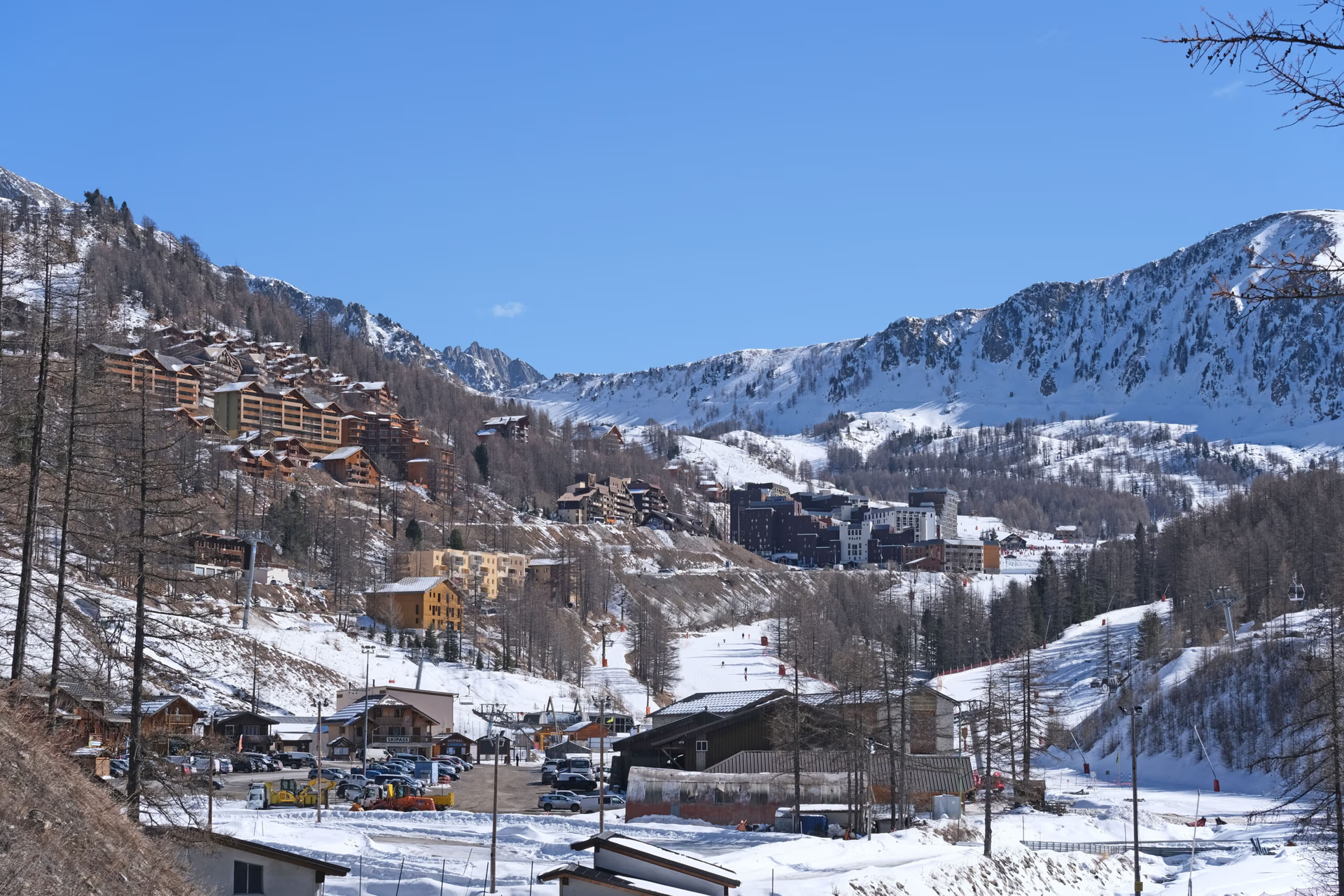
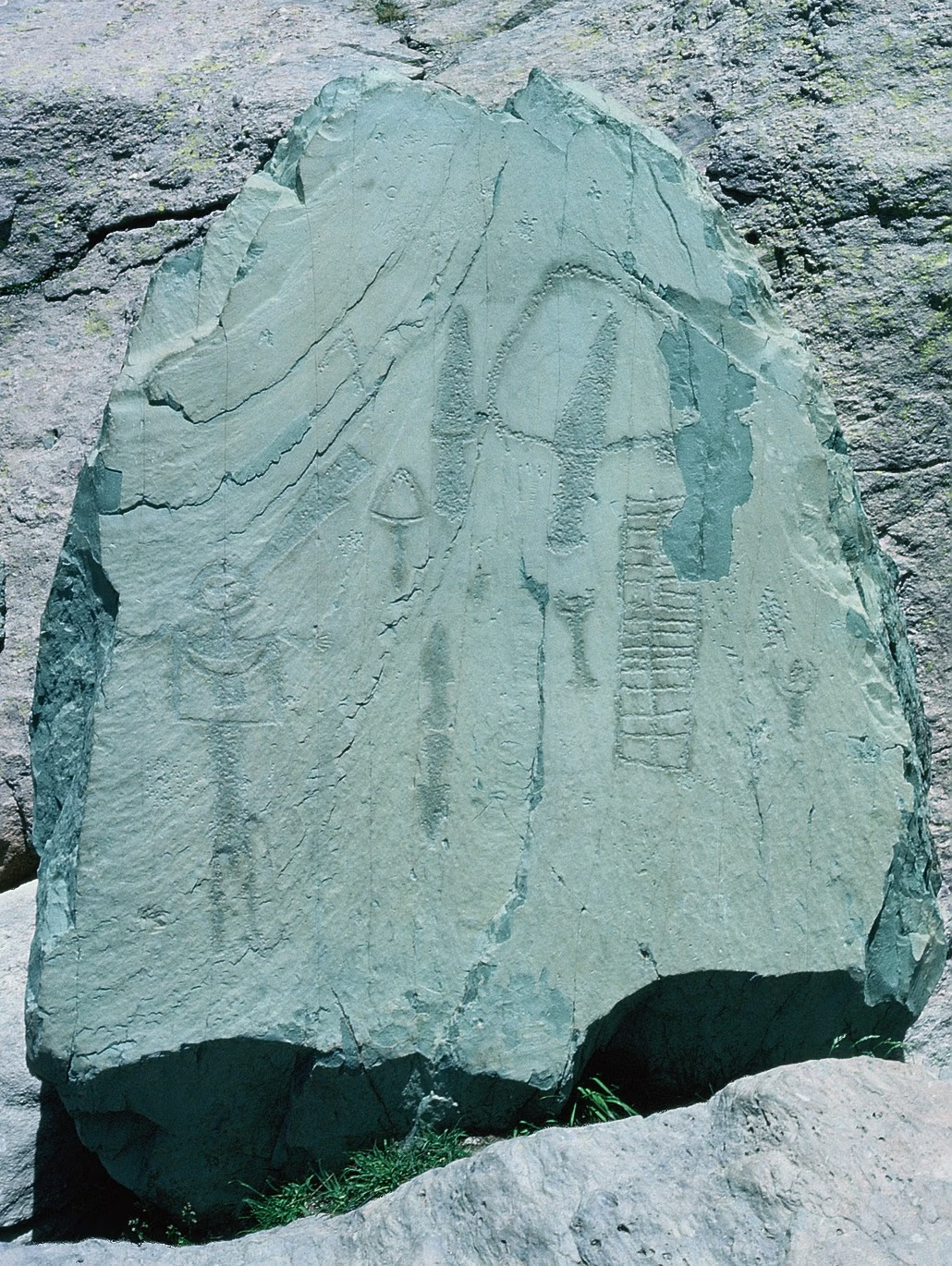
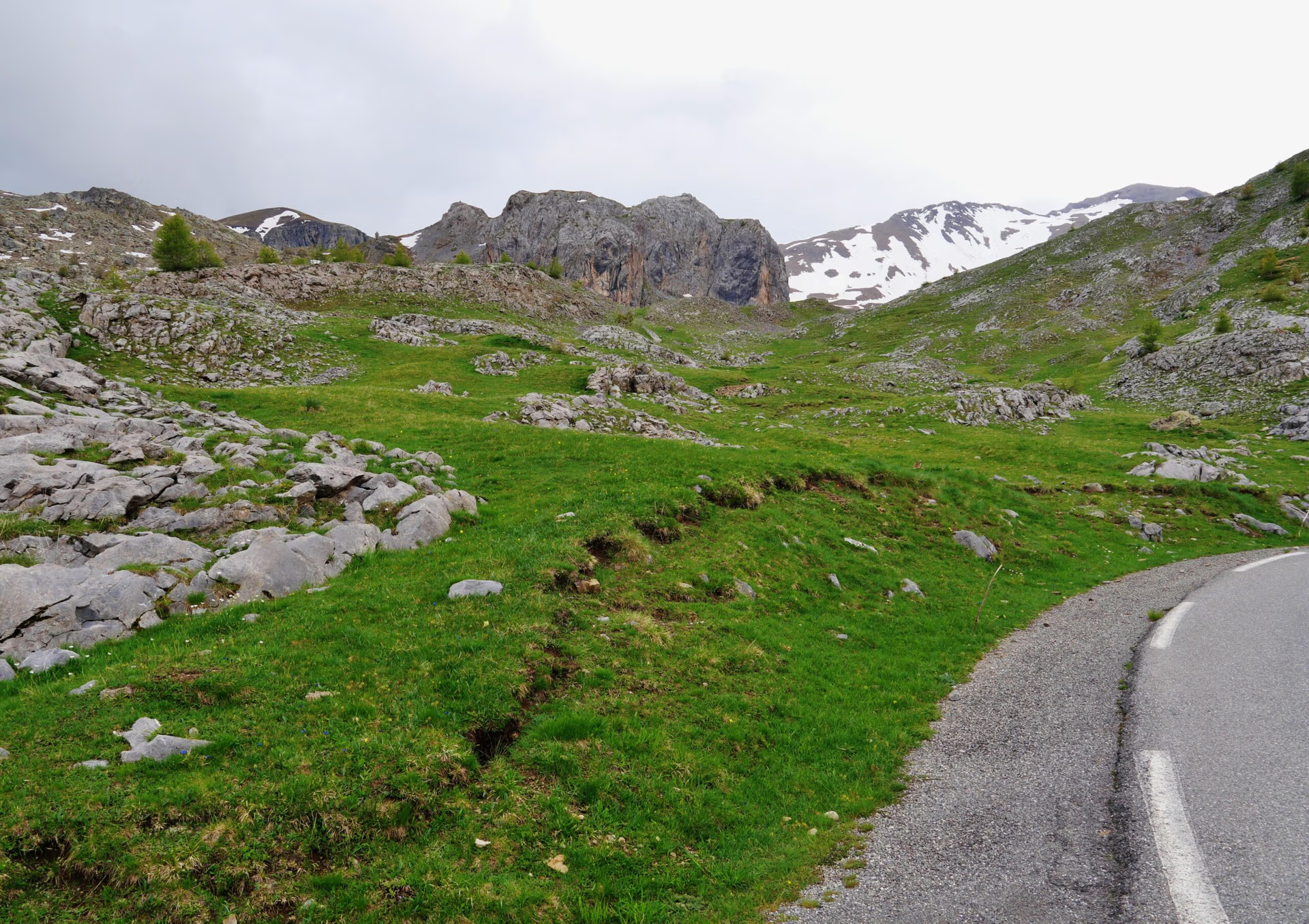
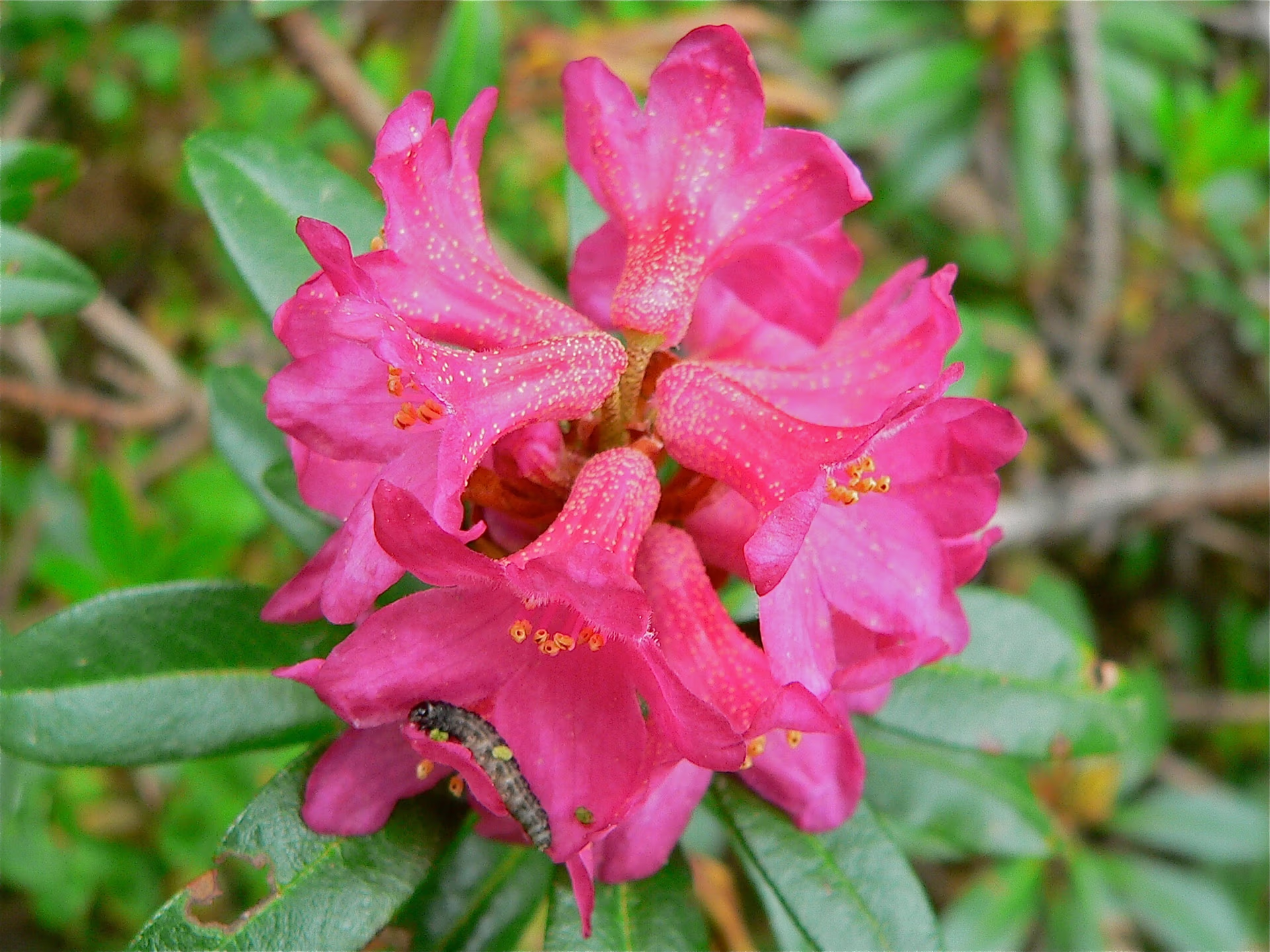
The French Riviera is not only the coast. The Alpes-Maritimes turn the region into a rare student setting: Mediterranean light below, Mercantour landscapes above, and winter resorts such as Valberg, Auron and Isola 2000 in the same mental map.
It changes what weekends can be.
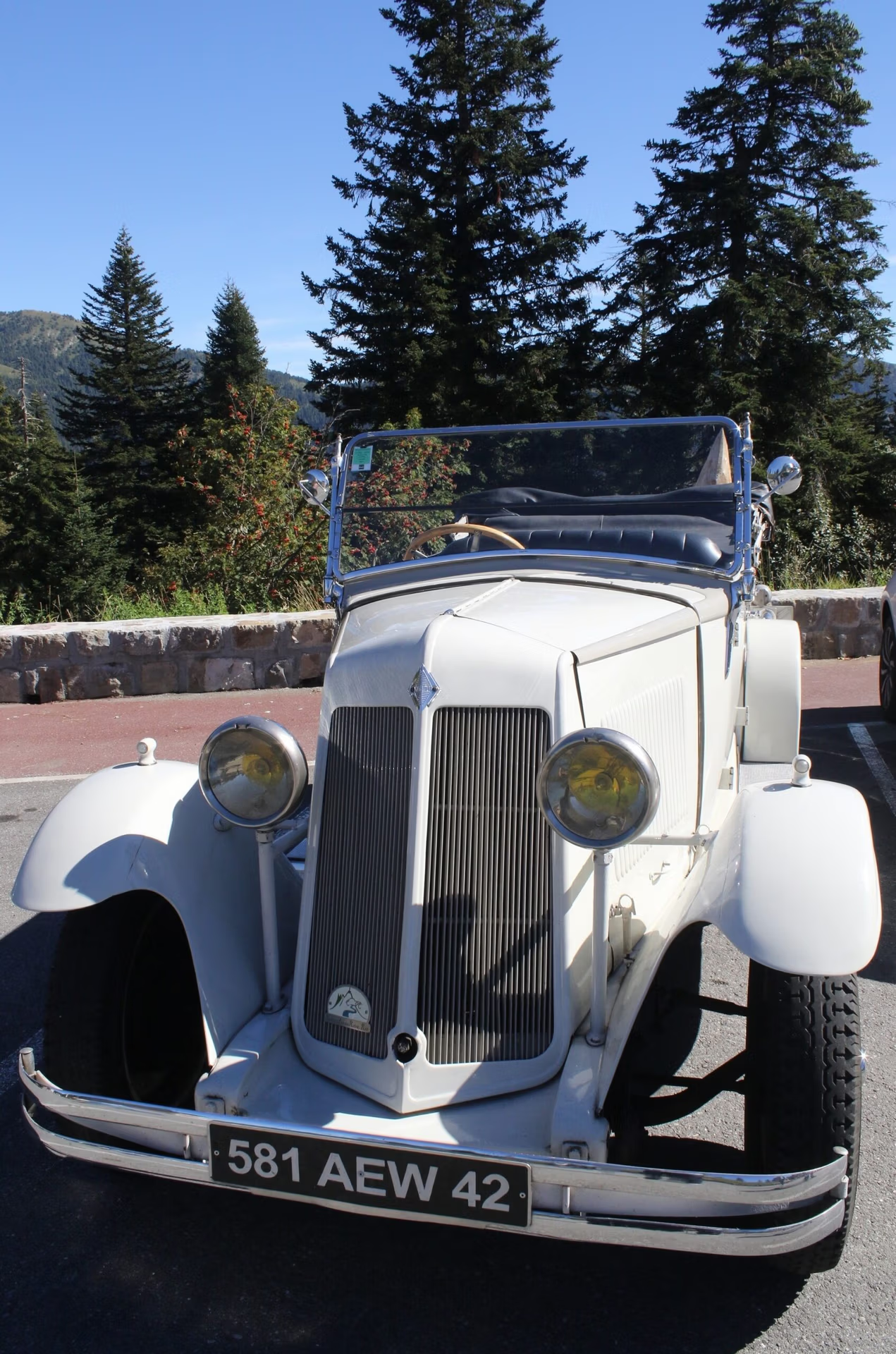
Some students want beaches. Some want hiking, climbing, driving roads, snow or simply a quiet view. Around DSTI’s French Riviera campus, these choices do not require a change of country, climate or identity.
Not just salade niçoise. Real local cravings.
Food on the Riviera is not only restaurant décor. It is street food, market food, oven food, picnic food and family food: socca, pissaladière, pan-bagnat, ratatouille, produce from markets and the simple pleasure of eating outside.
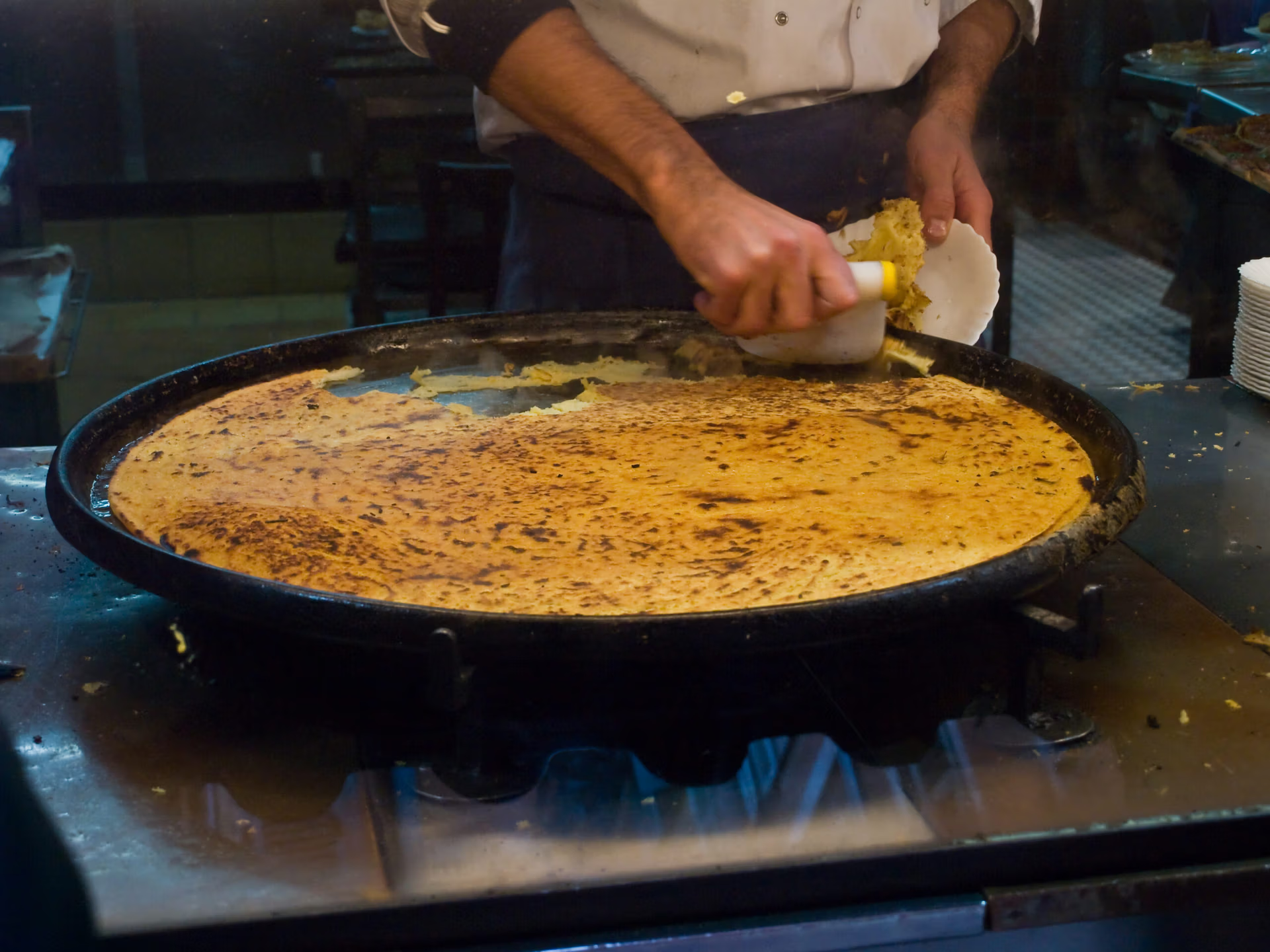
Hot, simple, local and perfect after class.
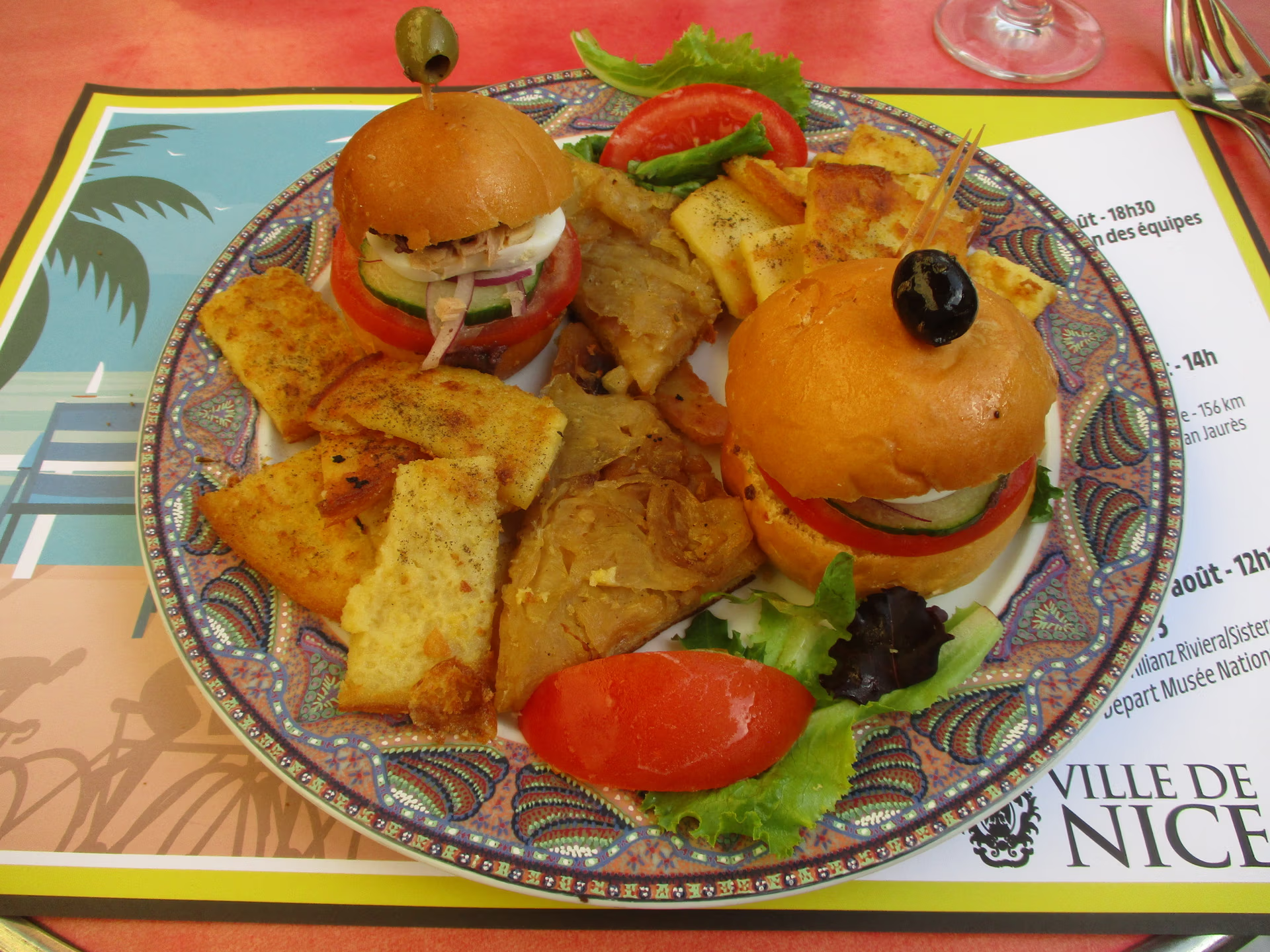
Pan-bagnat, socca and pissaladière say more than a generic food shot.
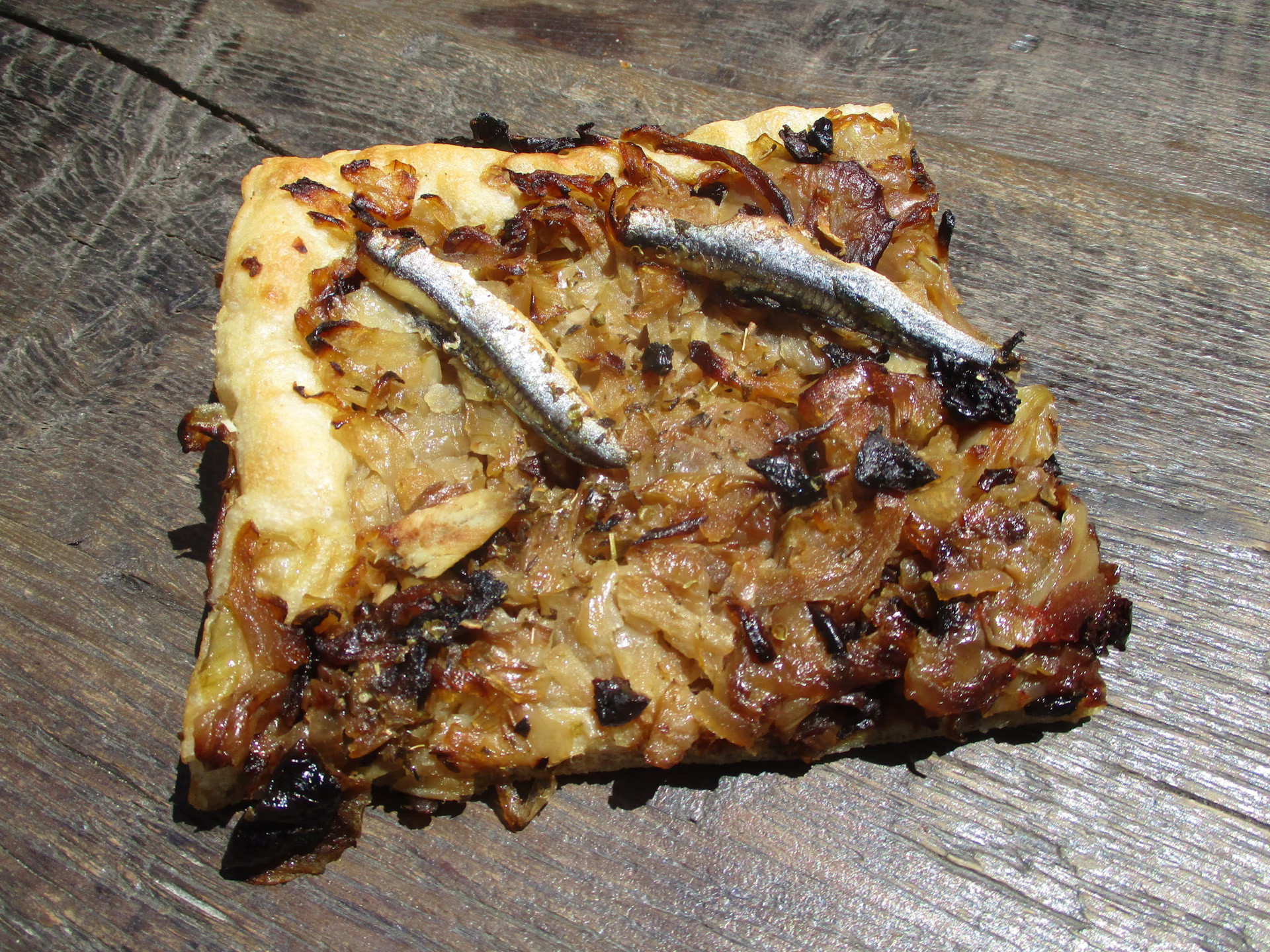
A generous local staple with onions, olives and sunshine built in.
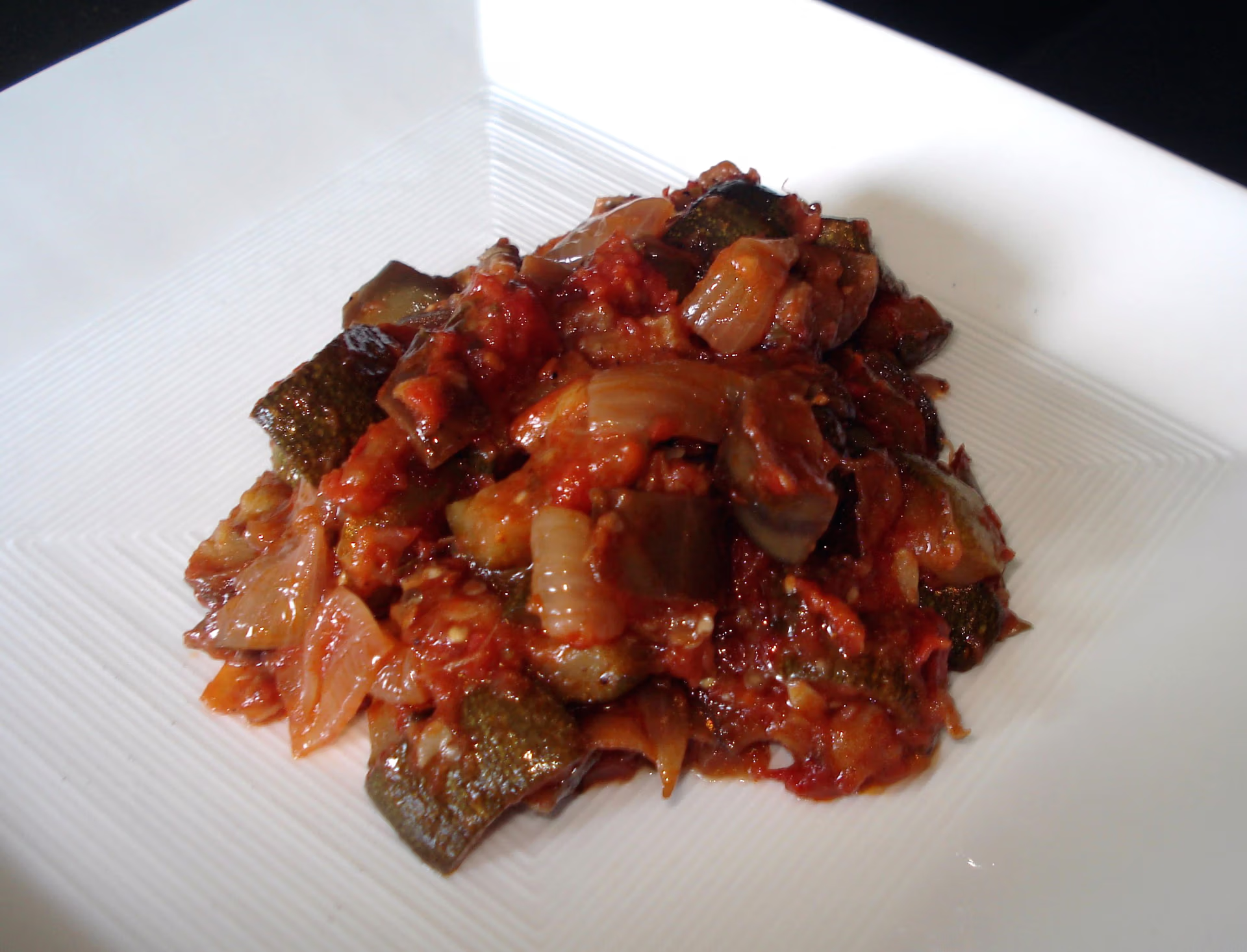
Iconic Provençal comfort food, colourful and unmistakable.
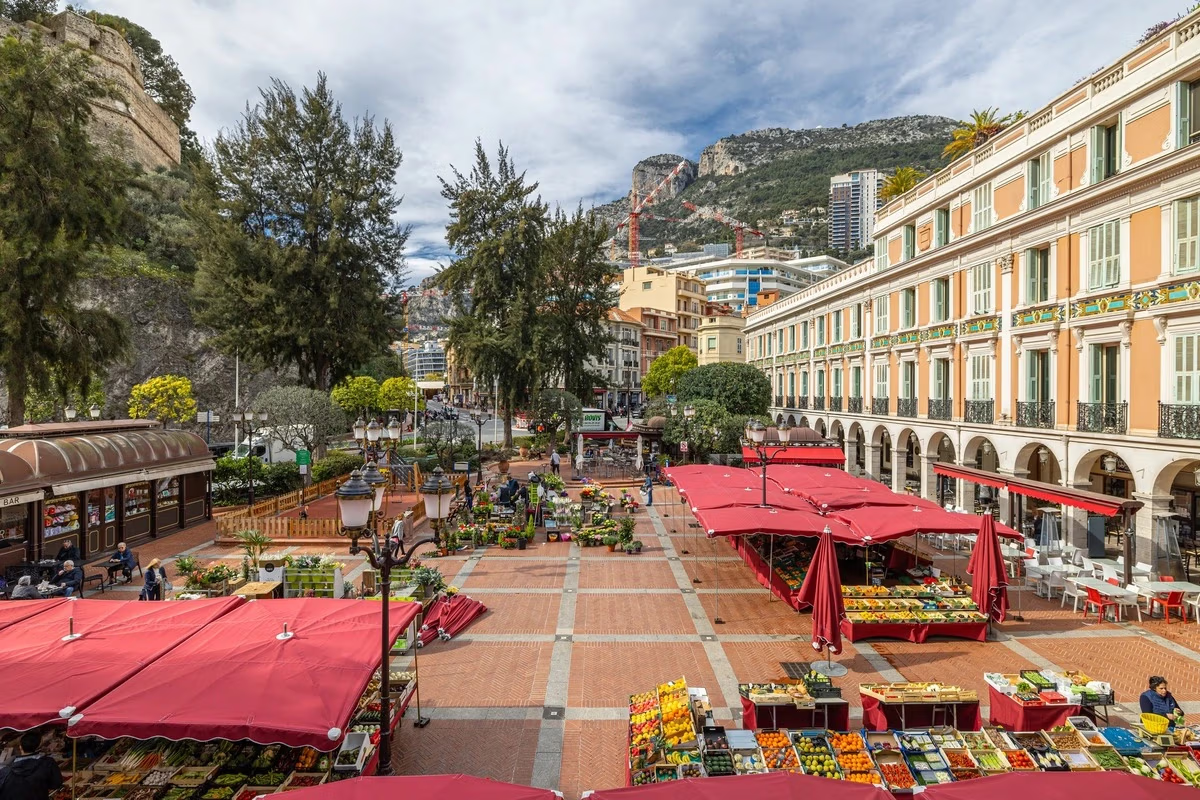
Food culture continues across the border in Monaco.
The calendar is already full of reasons to go out.
Cannes, Monaco, Nice, Antibes and Saint-Paul-de-Vence are not background names. They mean the Festival de Cannes, the Monaco Grand Prix, Nice Carnival, Picasso in Antibes, Fondation Maeght, OGC Nice, AS Monaco and the wider sport ecosystem that includes the Mouratoglou International Tennis Academy.
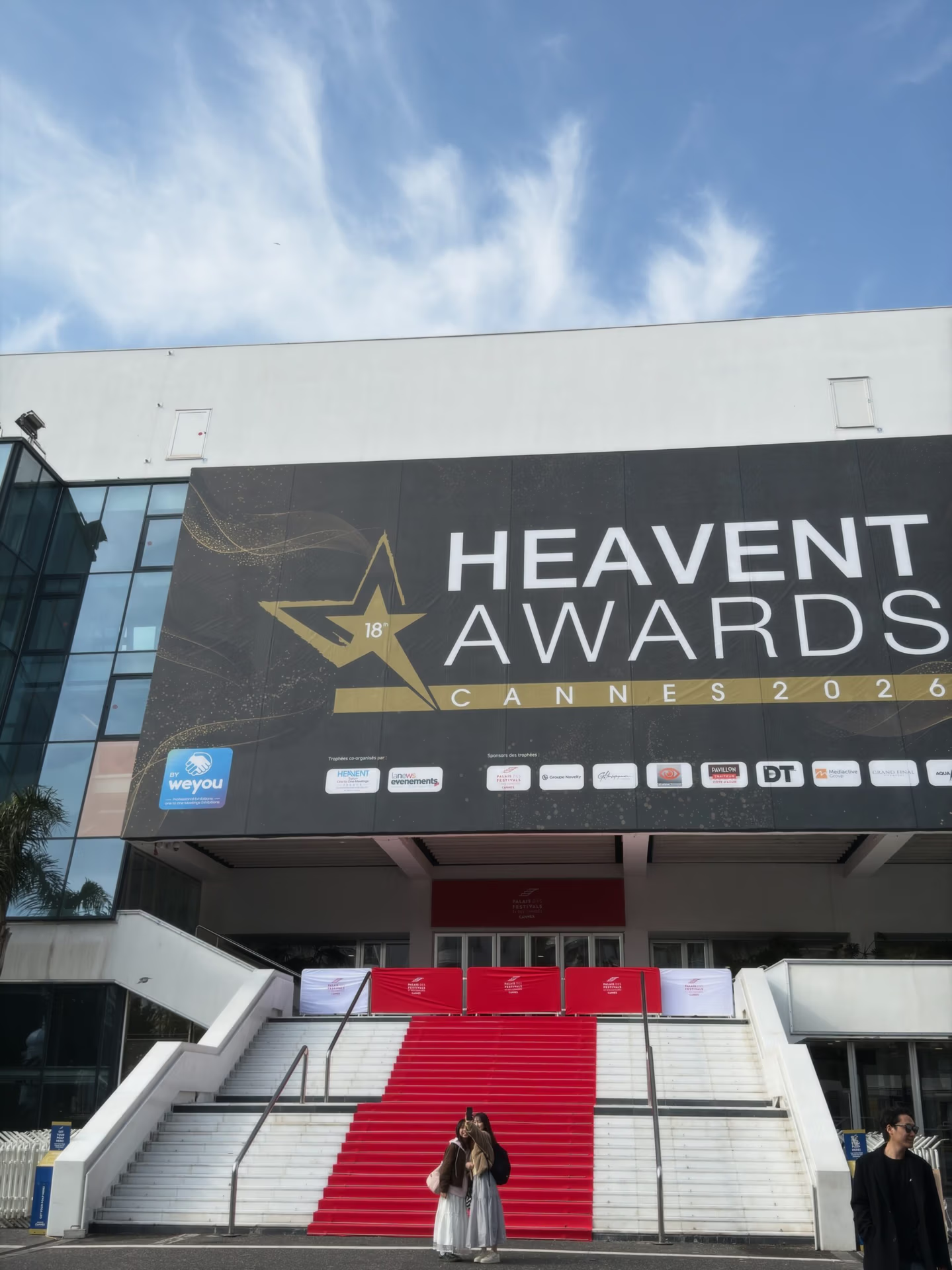
A global cultural event within the Riviera map.
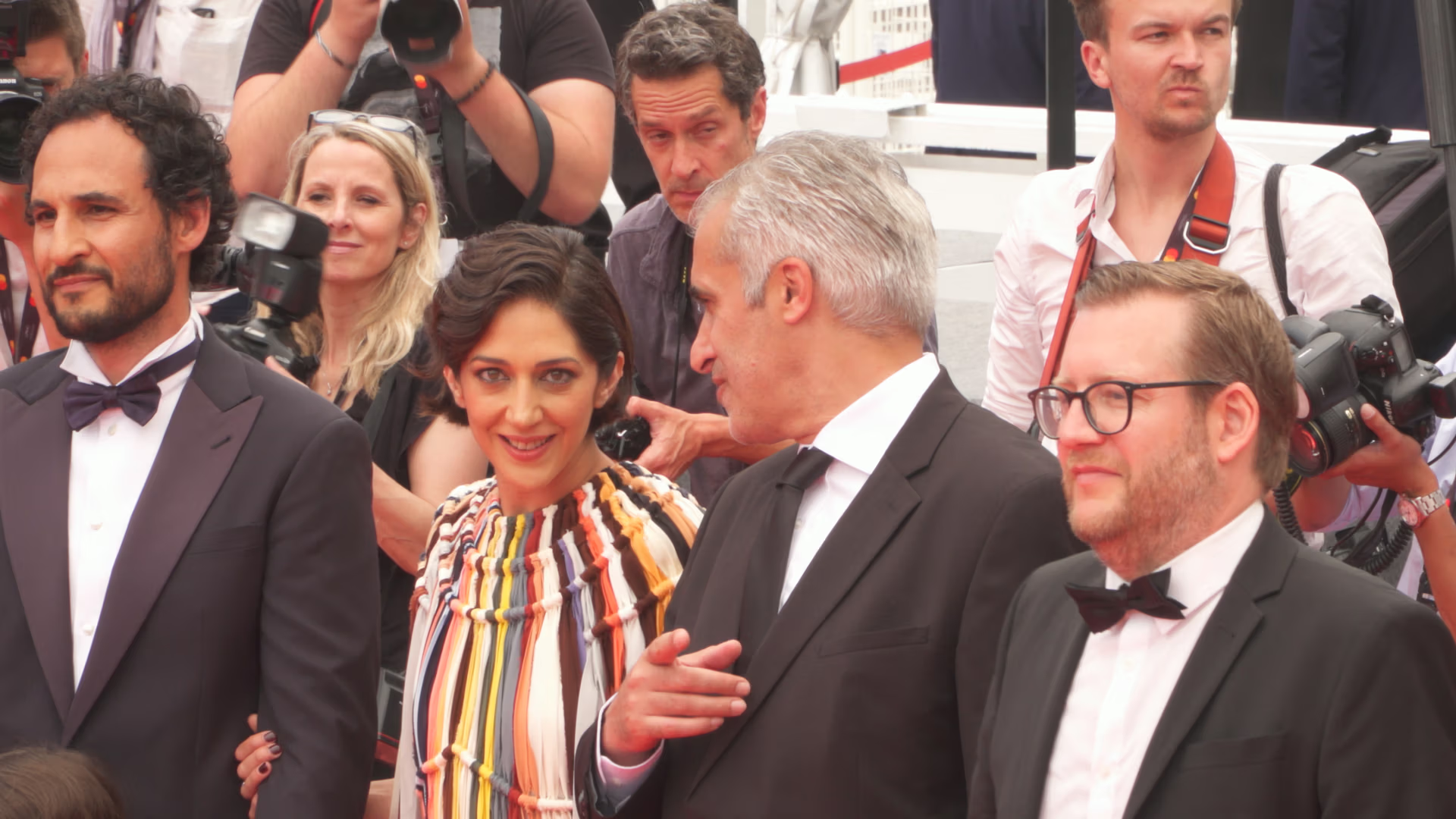
Cannes in motion, not just a building.
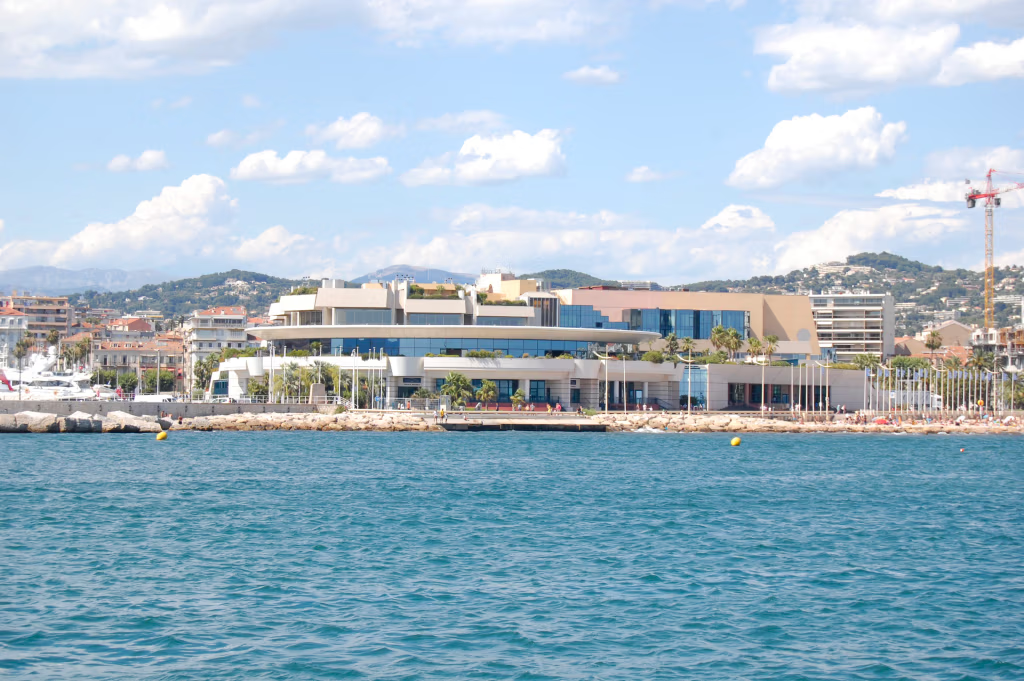
The city knows how to host the world.
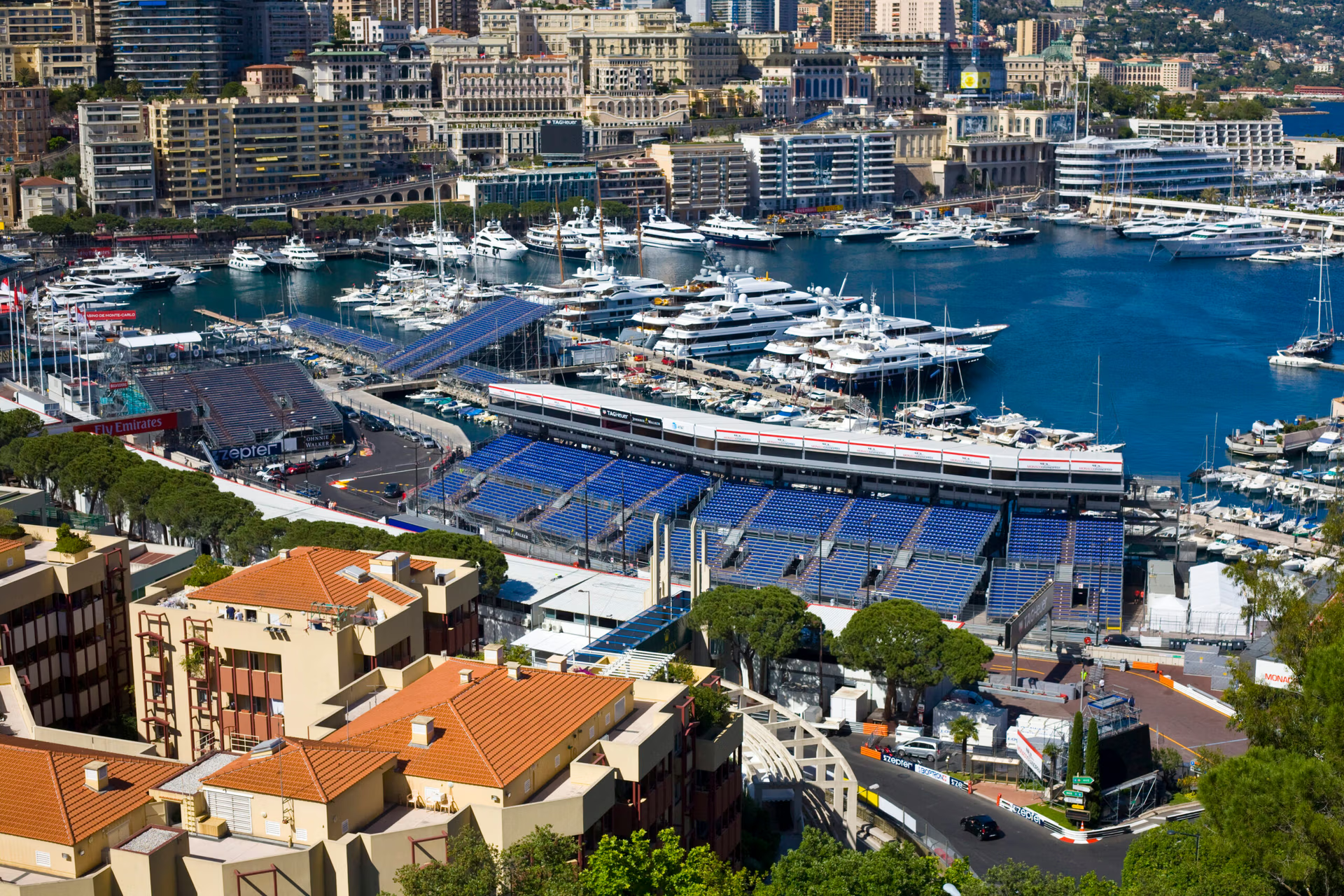
International sport with a harbour backdrop.
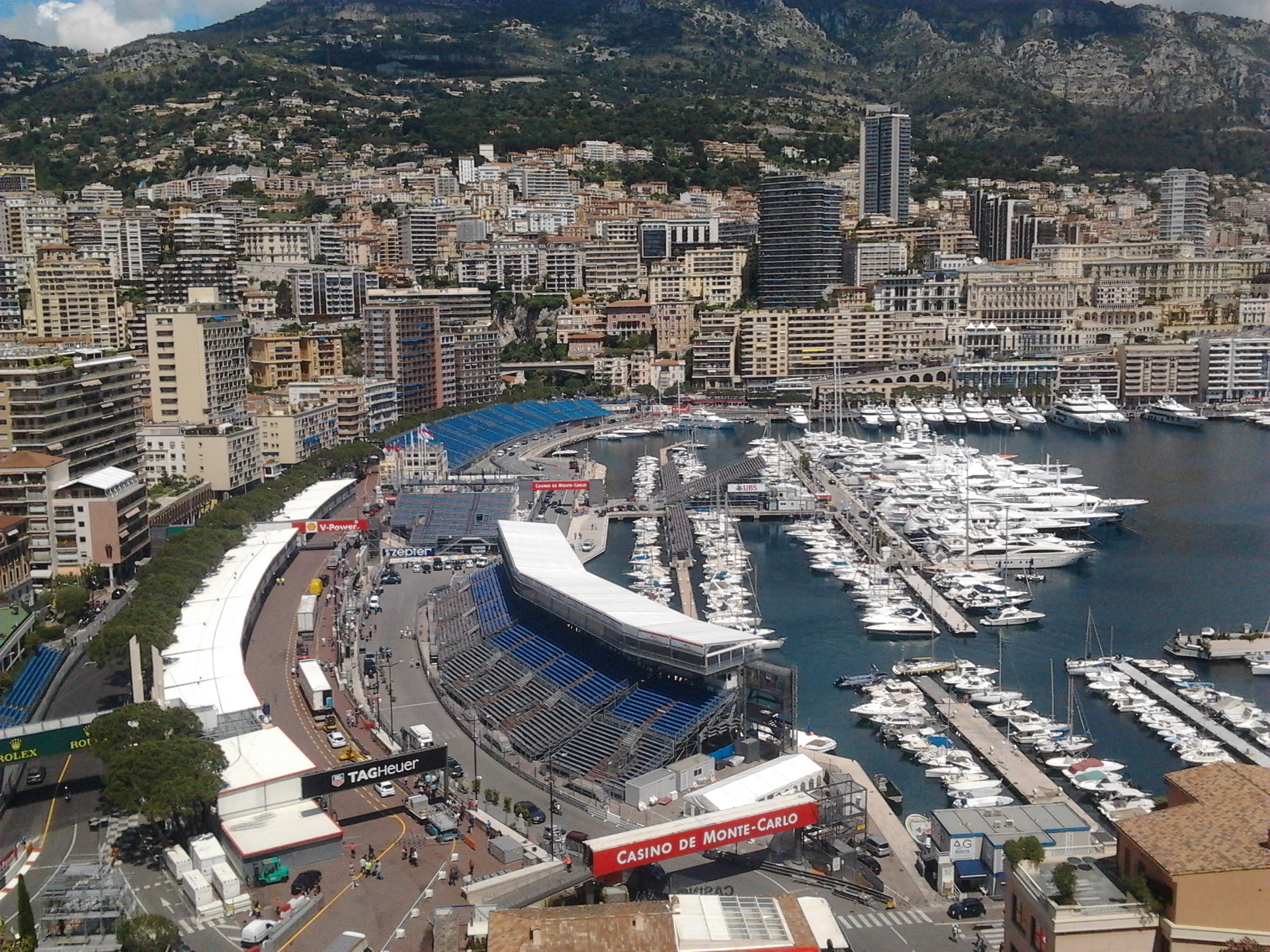
The event takes over the city landscape.
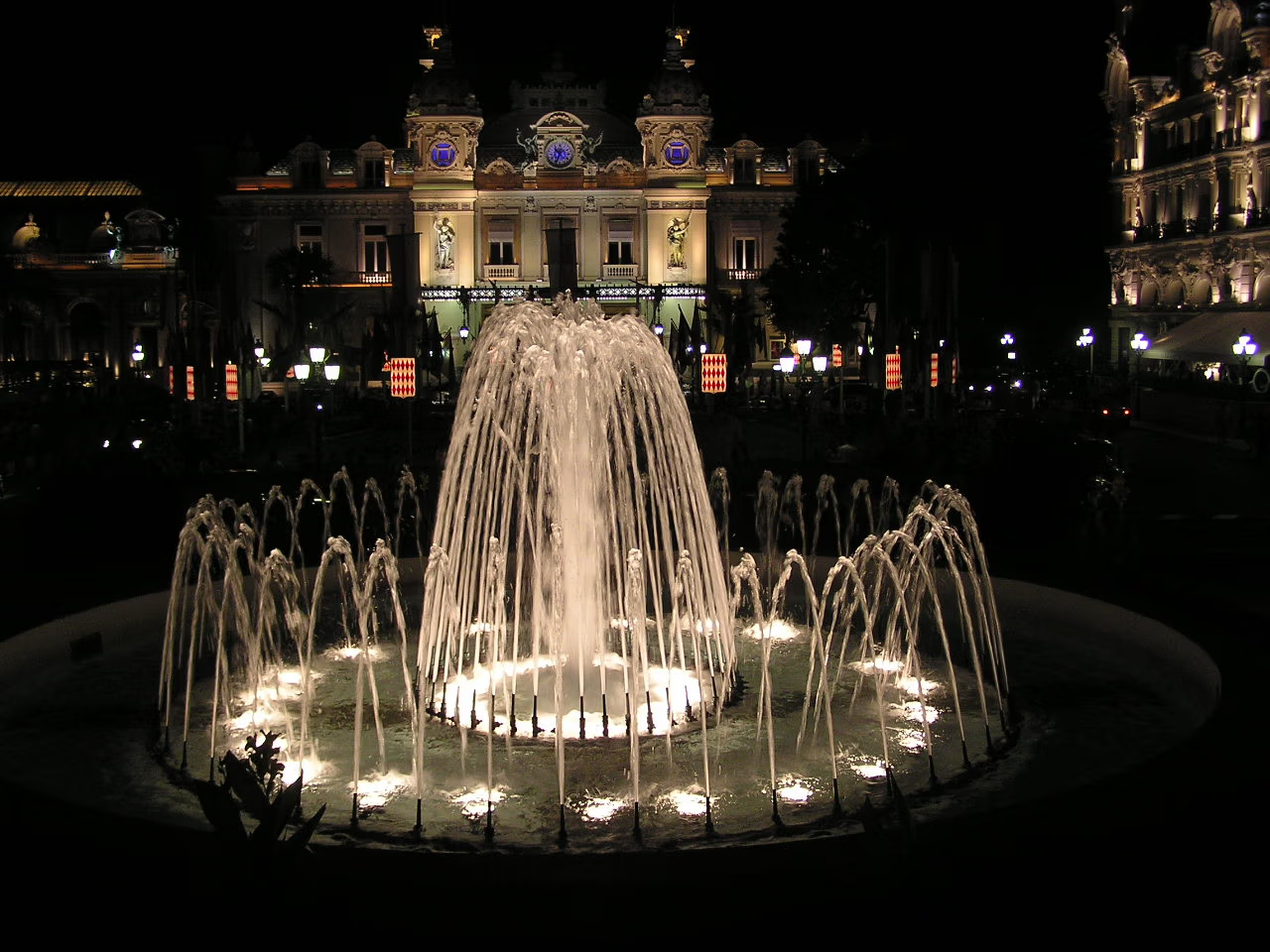
The famous part of the Riviera, close enough for an evening.
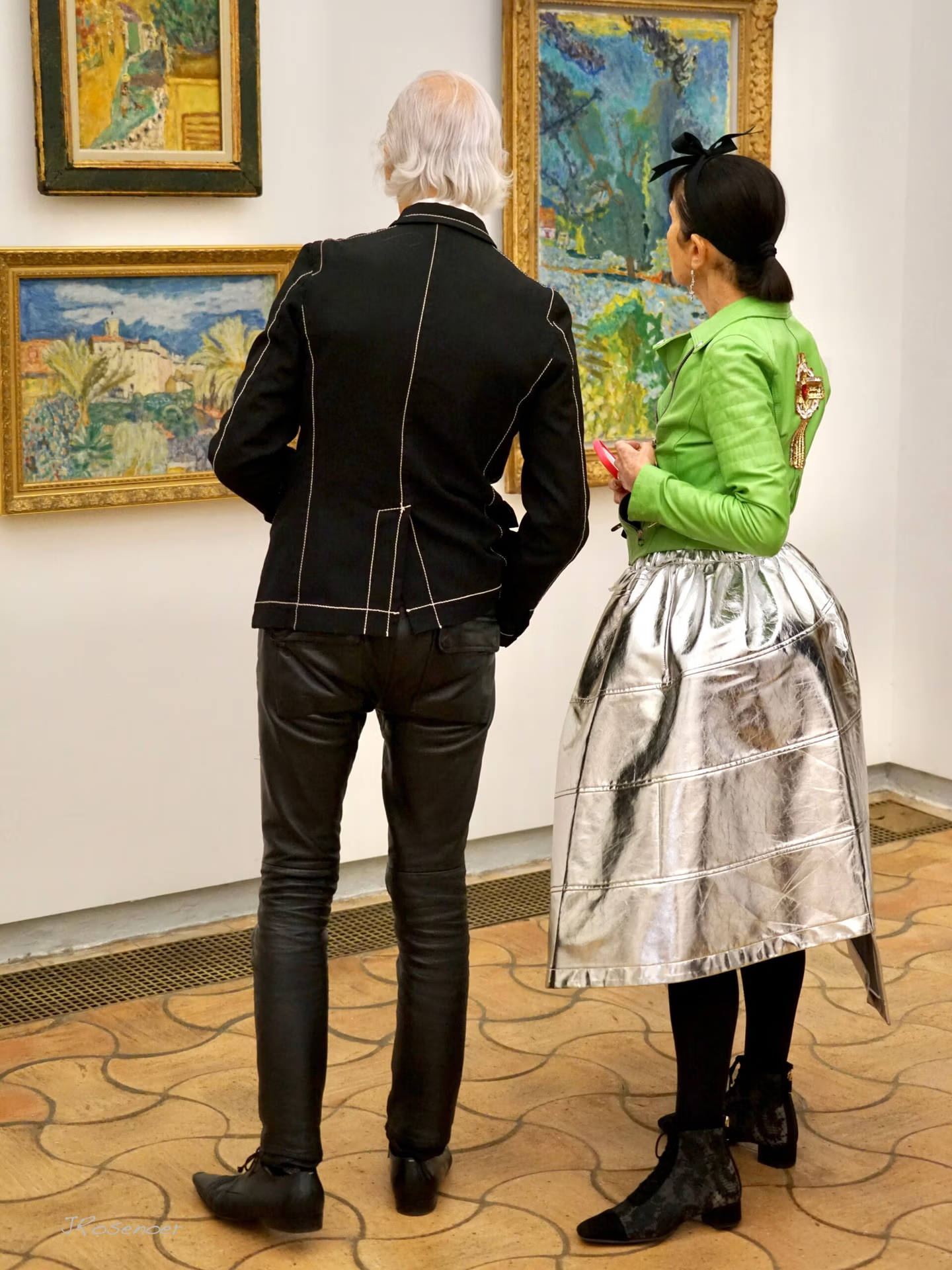
Modern art among the hills.
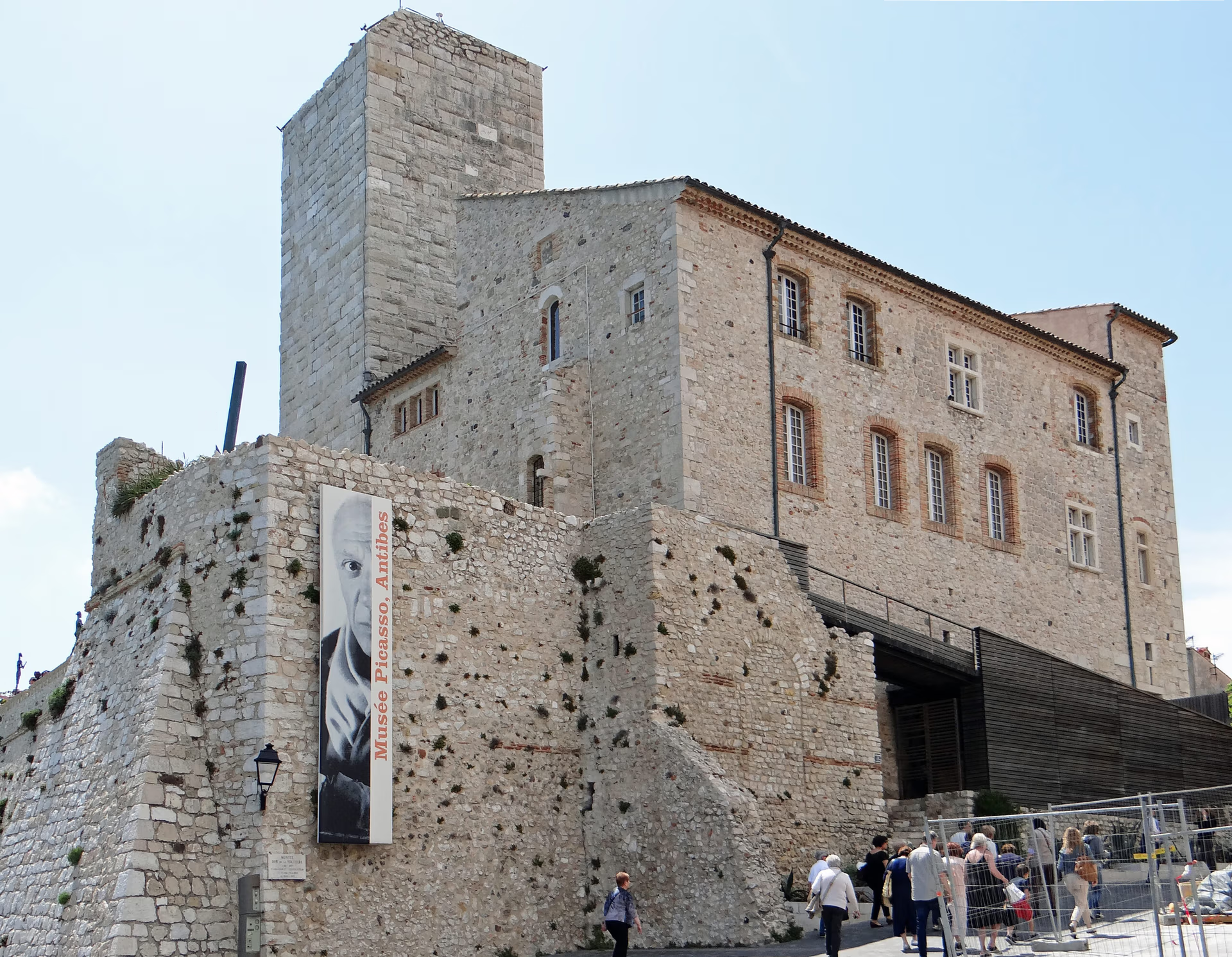
A coastal museum with real artistic weight.
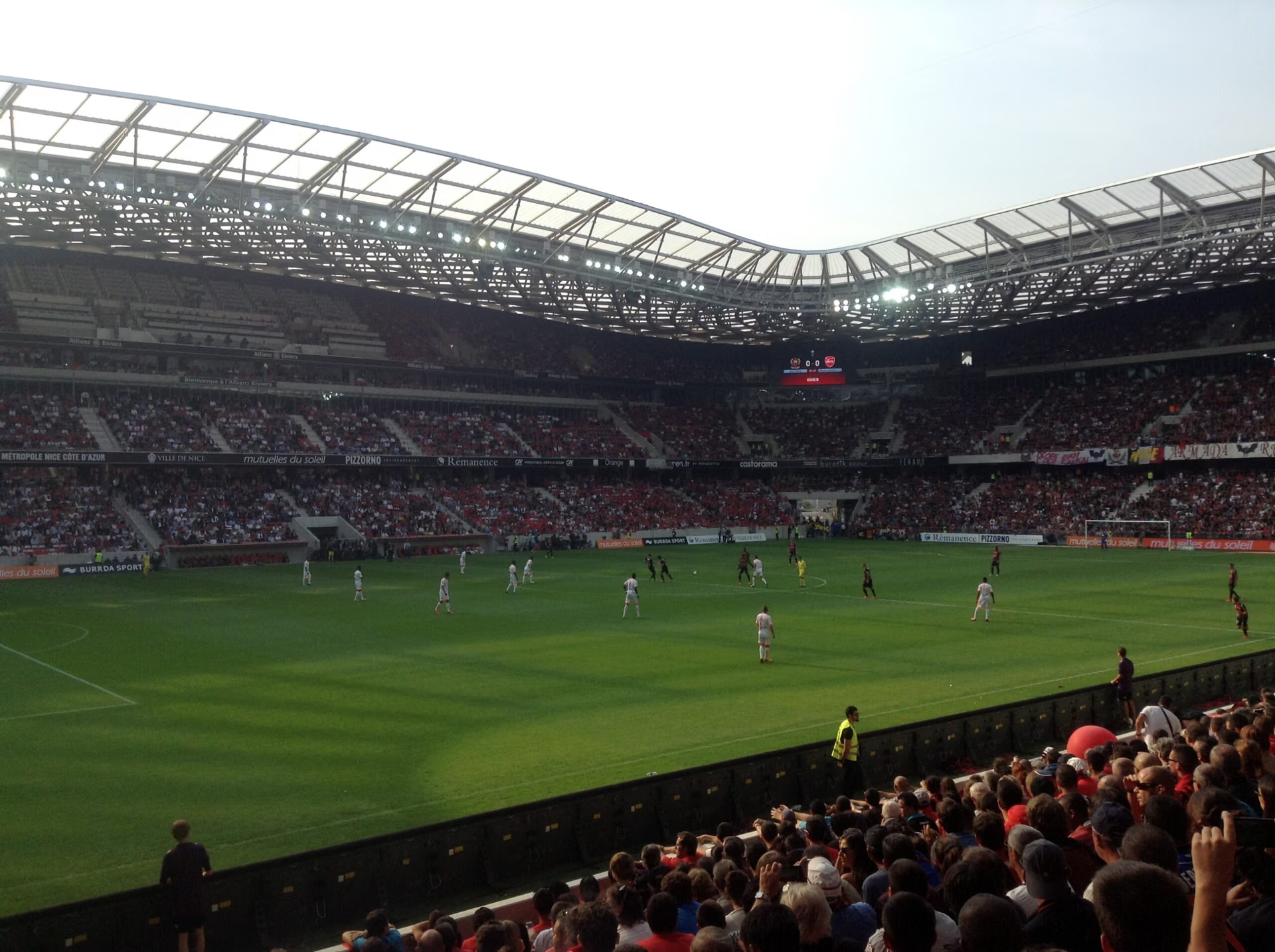
Professional football as part of local life.
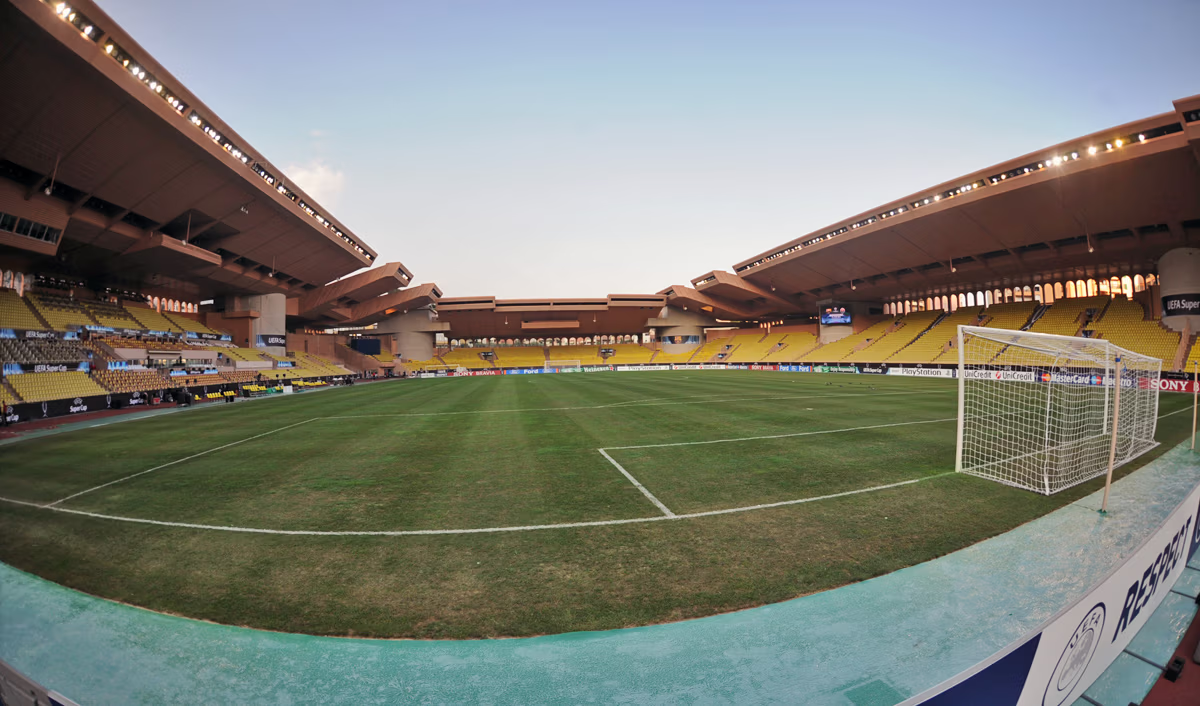
Another top-level sport identity nearby.
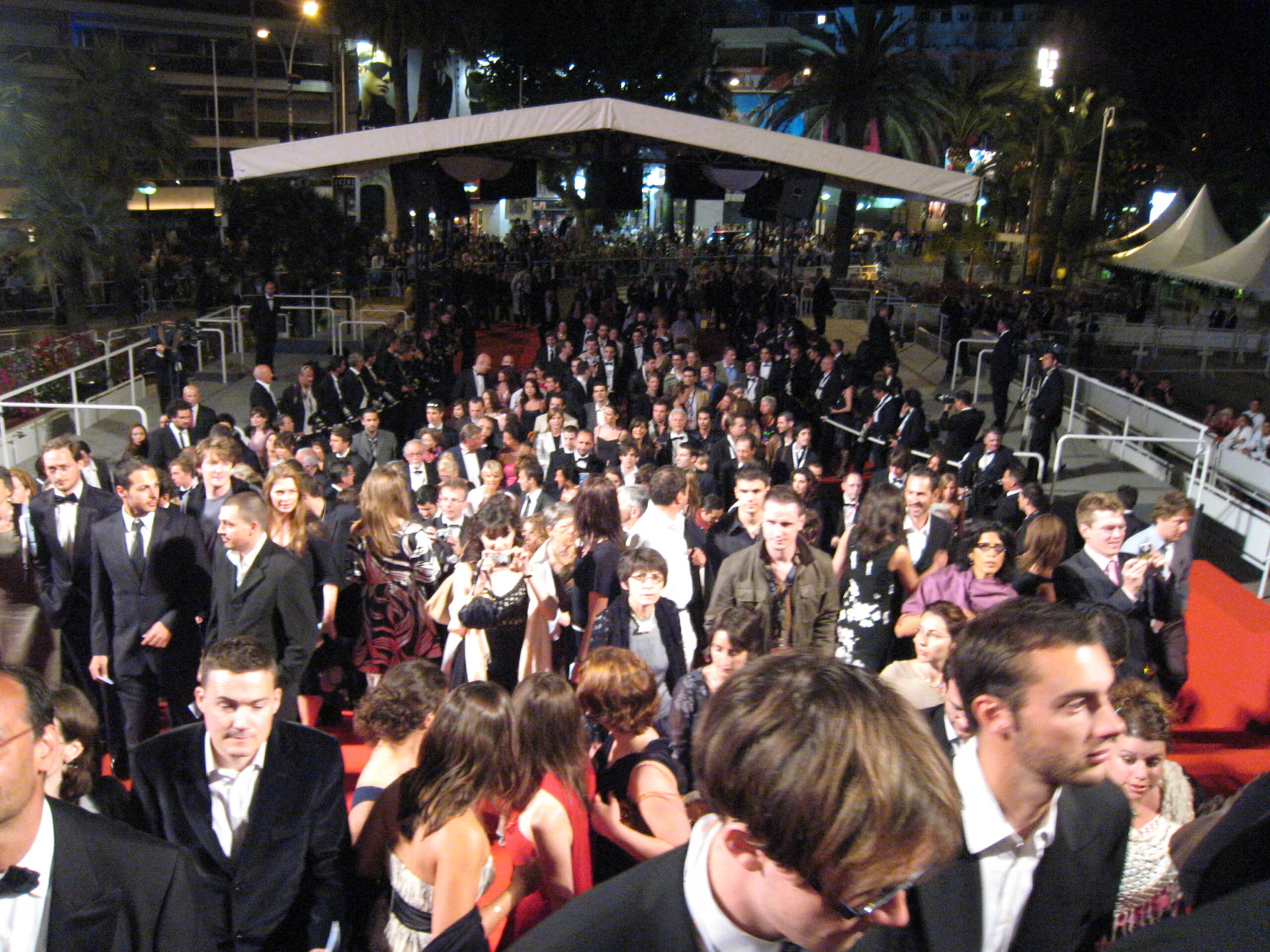
Cannes in the moment, not just a building.
It feels good because people are outside.
The Riviera’s beauty is matched by its public rhythm: markets, squares, terraces, festivals, football nights, trams, seaside walks and families outside. That matters for students; it also matters for parents.
Everyday life remains visible, social and accessible here. It is a simple, powerful reassurance: students can imagine themselves studying seriously while still feeling part of a place that lives in the open.
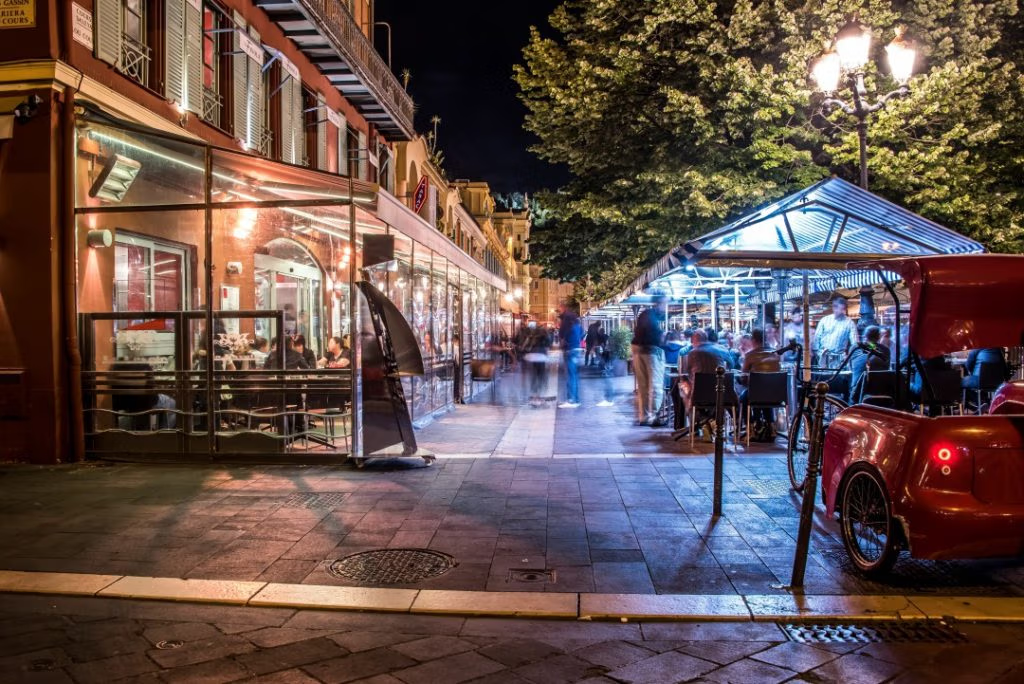
Students and families can read the atmosphere instantly.
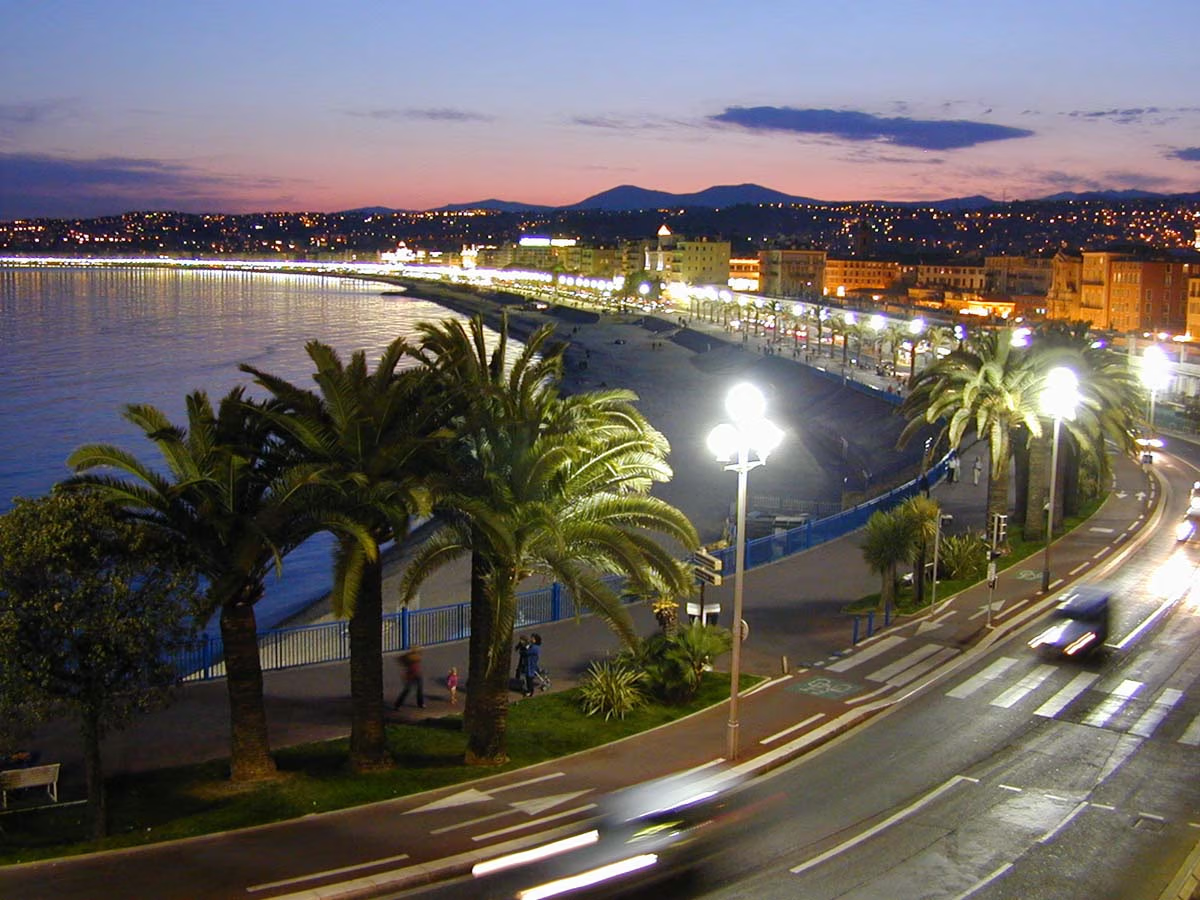
Lights, movement and a city that stays visible.
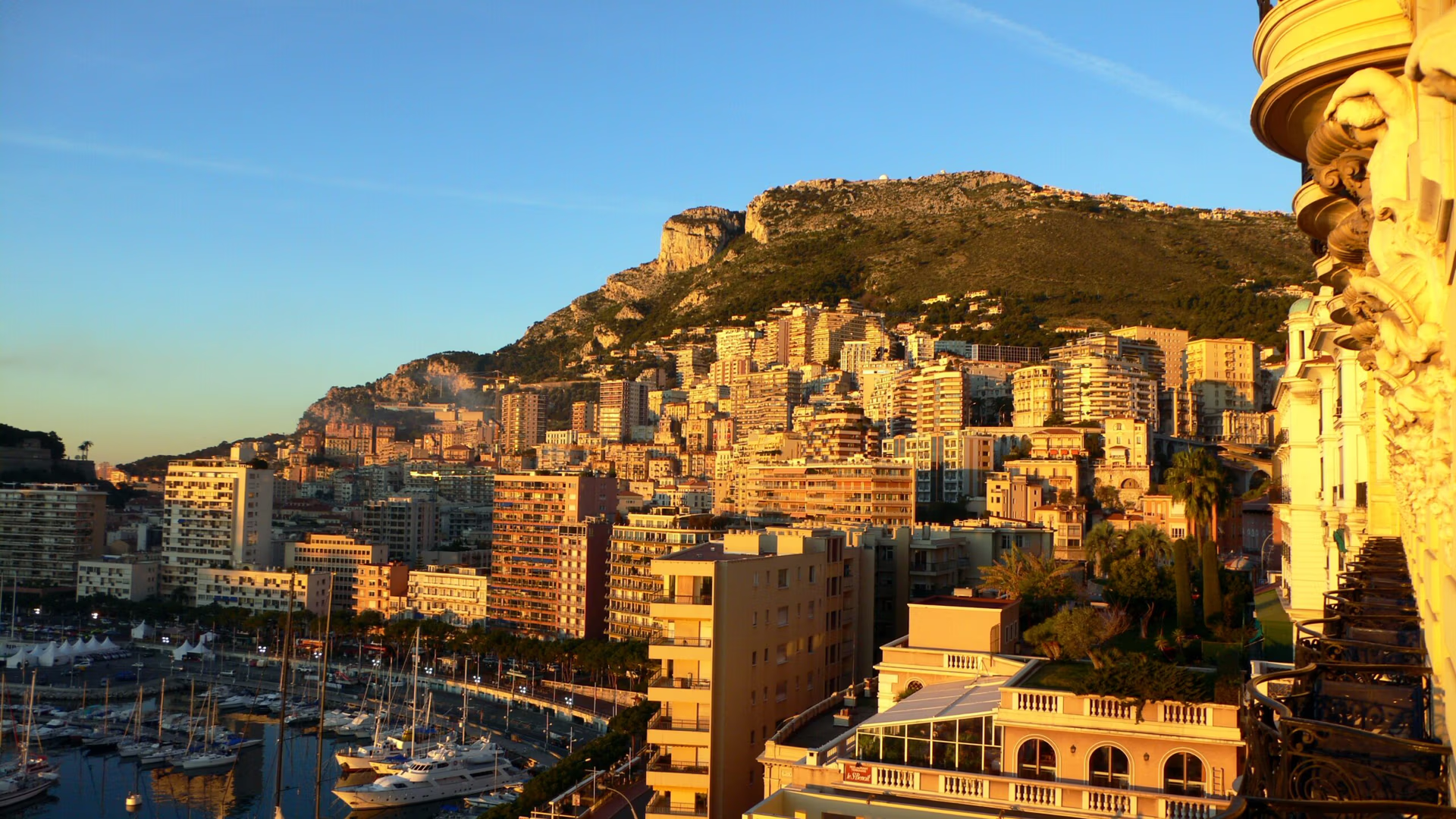
Public life continues into the evening.
